THE ADVENTURE COLLECTIVE® · Independent discovery and booking for outdoor travel

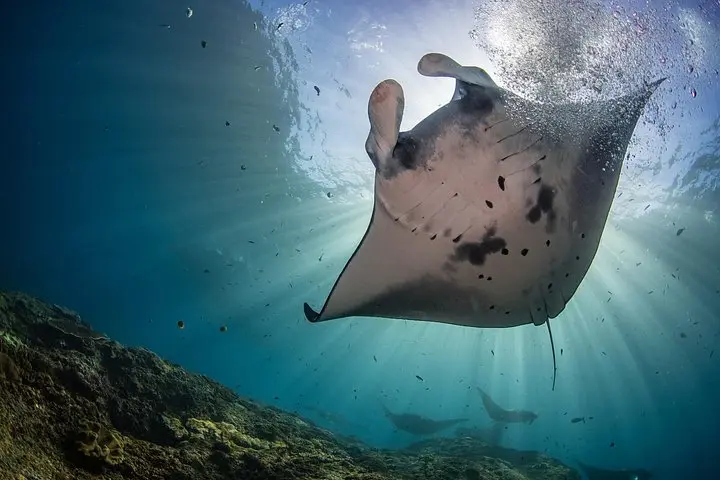
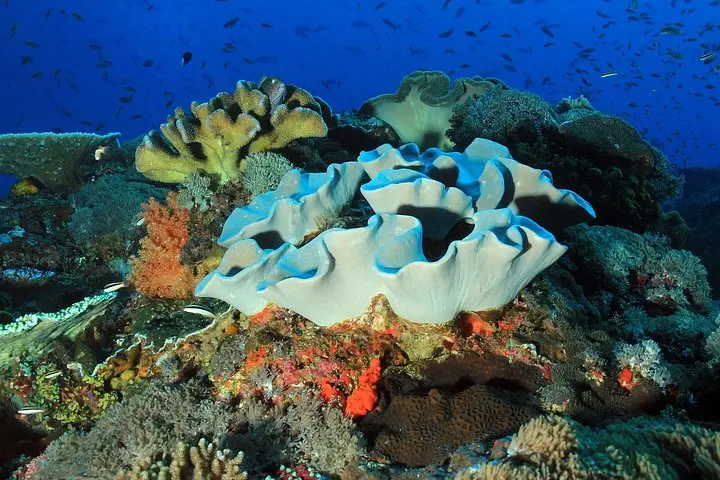
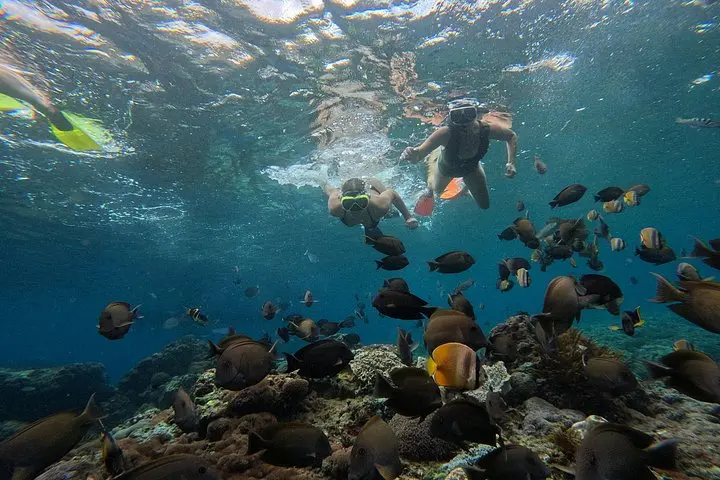
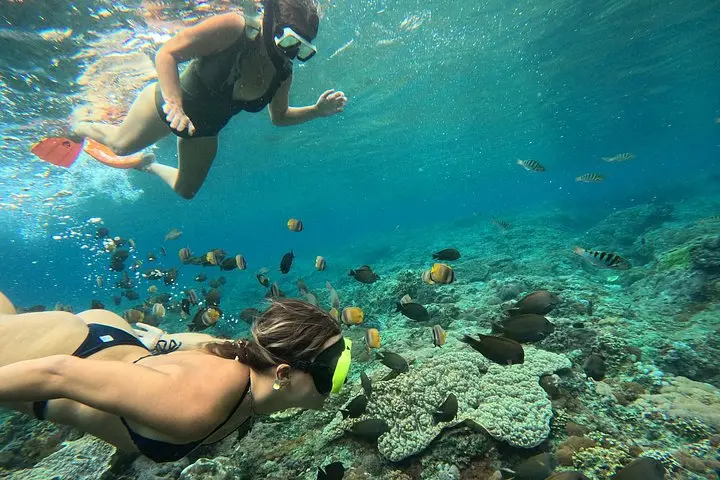
Float over manta cleaning stations, glide through crystal-clear bays, and drift above vibrant coral gardens on a focused 3-hour snorkeling loop from Jungut Batu. This trip mixes high-probability wildlife viewing with accessible reef snorkeling for most swimmers.
Float over manta cleaning stations, glide through crystal-clear bays, and drift above vibrant coral gardens on a focused 3-hour snorkeling loop from Jungut Batu. This trip mixes high-probability wildlife viewing with accessible reef snorkeling for most swimmers.
The boat slips away from Jungut Batu and the ocean opens wide — blue that moves like a living thing, pulling you toward Manta Bay. Within minutes the reef-tipped waves hum under the hull; guides review signals and hand you a life jacket before you step into water clear enough to read scales on a passing fish.
Verified experiences and guided adventures in the surrounding area.
Operated by Info Ke Bali · Nusa Lembongan, Bali
The boat slips away from Jungut Batu and the ocean opens wide — blue that moves like a living thing, pulling you toward Manta Bay. Within minutes the reef-tipped waves hum under the hull; guides review signals and hand you a life jacket before you step into water clear enough to read scales on a passing fish.
These waters sit on the eastern edge of Bali’s reef system where volcanic rock, uplifted coral, and strong currents shape dramatic drop-offs. Nusa Lembongan and nearby Nusa Penida have a complex geological history of limestone cliffs and coral terraces; currents funnel plankton here, and manta rays return to feed. Locals have fished and farmed seaweed here for generations, and small villages around Jungut Batu still rely on the sea for daily life.
Expect three highlights in a concise, 3-hour circuit: the manta cleaning stations at Manta Bay (with a backup stop at Manta Point if conditions hide sightings), the glassy clarity and sheltered coral gardens of Crystal Bay, then the biodiverse shallows around Mangrove Point. Water visibility is typically best in the drier months, but currents can be strong near the cleaning stations — guides time entries and keep groups together.
Practical tips: arrive at the meeting point in Jungut Batu early, use reef-safe sunscreen, wear a snug mask and fins, and listen to the briefing about keeping distance from mantas and reefs. Bring a dry bag for valuables and stagger breaths when floating over coral gardens; respect local regulations and the animals’ space so these sites stay healthy for years to come.
No — sightings are common but not guaranteed; if mantas aren’t at Manta Bay the captain will try Manta Point to increase chances.
No—this tour is designed for a wide range of fitness levels; life jackets and guidance are provided, but you should be comfortable in open water.
Take preventive medication the night before or at least an hour before departure, sit mid-boat while underway, and focus on the horizon; operators often carry ginger and water.
Meets at Jungut Batu, Nusa Lembongan; the activity runs about 3 hours including transfers between sites and a safety briefing.
Info Ke Bali operates guided outdoor trips and adventures with an emphasis on safety, stewardship, and memorable experiences.
The boat slips away from Jungut Batu and the ocean opens wide — blue that moves like a living thing, pulling you toward Manta Bay. Within minutes the reef-tipped waves hum under the hull; guides review signals and hand you a life jacket before you step into water clear enough to read scales on a passing fish.
The boat slips away from Jungut Batu and the ocean opens wide — blue that moves like a living thing, pulling you toward Manta Bay. Within minutes the reef-tipped waves hum under the hull; guides review signals and hand you a life jacket before you step into water clear enough to read scales on a passing fish.
These waters sit on the eastern edge of Bali’s reef system where volcanic rock, uplifted coral, and strong currents shape dramatic drop-offs. Nusa Lembongan and nearby Nusa Penida have a complex geological history of limestone cliffs and coral terraces; currents funnel plankton here, and manta rays return to feed. Locals have fished and farmed seaweed here for generations, and small villages around Jungut Batu still rely on the sea for daily life.
Expect three highlights in a concise, 3-hour circuit: the manta cleaning stations at Manta Bay (with a backup stop at Manta Point if conditions hide sightings), the glassy clarity and sheltered coral gardens of Crystal Bay, then the biodiverse shallows around Mangrove Point. Water visibility is typically best in the drier months, but currents can be strong near the cleaning stations — guides time entries and keep groups together.
Practical tips: arrive at the meeting point in Jungut Batu early, use reef-safe sunscreen, wear a snug mask and fins, and listen to the briefing about keeping distance from mantas and reefs. Bring a dry bag for valuables and stagger breaths when floating over coral gardens; respect local regulations and the animals’ space so these sites stay healthy for years to come.