THE ADVENTURE COLLECTIVE® · Independent discovery and booking for outdoor travel

Board a fast boat from Sanur and spend a focused day searching for graceful manta rays around Nusa Lembongan. This guided snorkel trip pairs three shallow-water sites with a short mangrove boat tour—sightings common during the dry season, but never guaranteed.
Board a fast boat from Sanur and spend a focused day searching for graceful manta rays around Nusa Lembongan. This guided snorkel trip pairs three shallow-water sites with a short mangrove boat tour—sightings common during the dry season, but never guaranteed.
You step off the fast boat and the ocean opens like a page you can read—blue flat, then a sudden sweep of silver as current-fed plankton gathers. Manta Bay, on Nusa Lembongan’s southeast flank, is where the sea seems to call the giants in: gentle-winged mantas glide inches below the surface, feeding with patient, oceanic choreography.
Verified experiences and guided adventures in the surrounding area.
Operated by Telaga Waja River Rafting · Nusa Lembongan, Bali
You step off the fast boat and the ocean opens like a page you can read—blue flat, then a sudden sweep of silver as current-fed plankton gathers. Manta Bay, on Nusa Lembongan’s southeast flank, is where the sea seems to call the giants in: gentle-winged mantas glide inches below the surface, feeding with patient, oceanic choreography.
The islands south of Bali are limestone remnants of an uplifted seabed; currents funnel nutrients here, and local fishing and Balinese coastal culture have long respected these feeding grounds. Jungut Batu and the mangrove-fringed channels nearby reflect a working island life—boats, seaweed farms, and a rhythm set by tides rather than clocks.
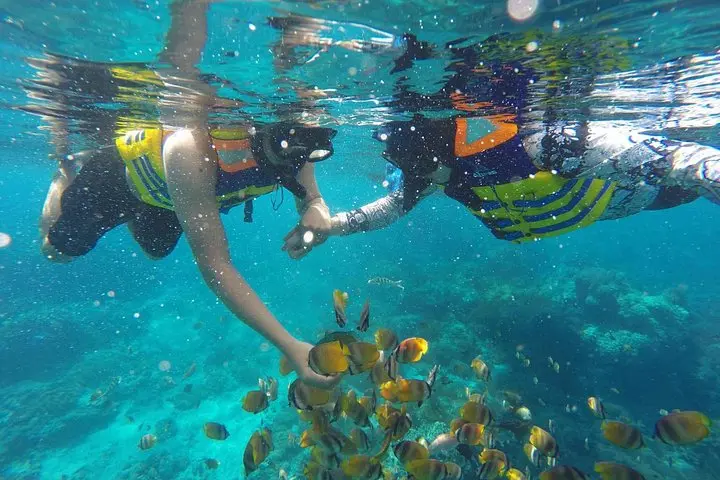
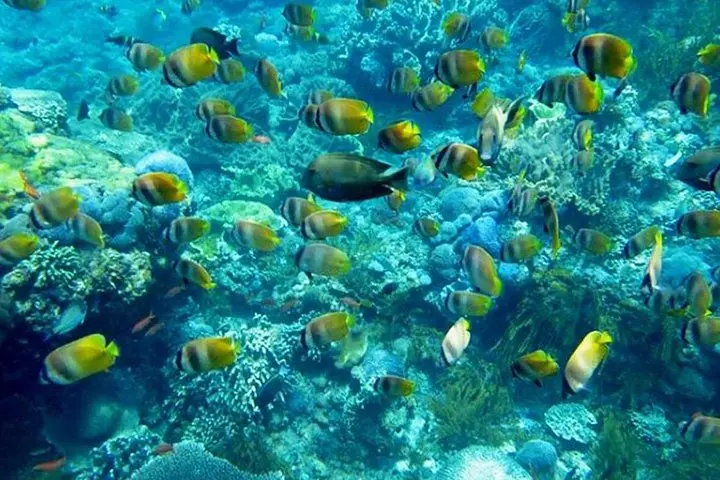
Expect three snorkel stops—Manta Bay, Crystal (Gamat) Bay, and a calm mangrove point—spread across a six- to seven-hour day that includes a short mangrove boat tour and beach landings at Jungut Batu. Guides brief groups on marine park rules: no touching animals, keep a distance, and enter the water from the boat with fins and a vest. Visibility is best in the dry months, and currents can shift; guides place swimmers where mantas most often feed.
Practical notes: arrive early at Sanur harbor for the 09:15 fast boat, secure sunscreen and reef-safe protection, and bring cash for extras. Non-swimmers are accommodated with life vests and close guide support, but basic snorkeling comfort and the ability to follow briefings will make the experience smoother. Above all, be patient—the ocean decides when the mantas arrive.
No—mantas are wild animals and sightings depend on plankton, currents, and animal movement; the dry season (March–November) offers higher chances.
Yes—life vests and close guide support are provided, and most operators accommodate non-swimmers on shallow snorkel stops.
Operators usually provide masks, fins, snorkels, life vests, and snorkeling photos/videos as listed in the inclusions.
Guests typically arrive independently to Sanur port; many providers offer free pickup from popular south Bali areas—confirm your pickup zone when booking.
Telaga Waja River Rafting operates guided outdoor trips and adventures with an emphasis on safety, stewardship, and memorable experiences.
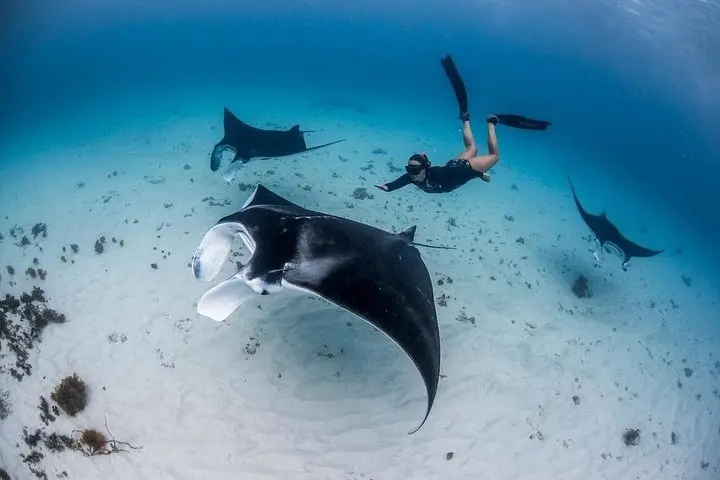
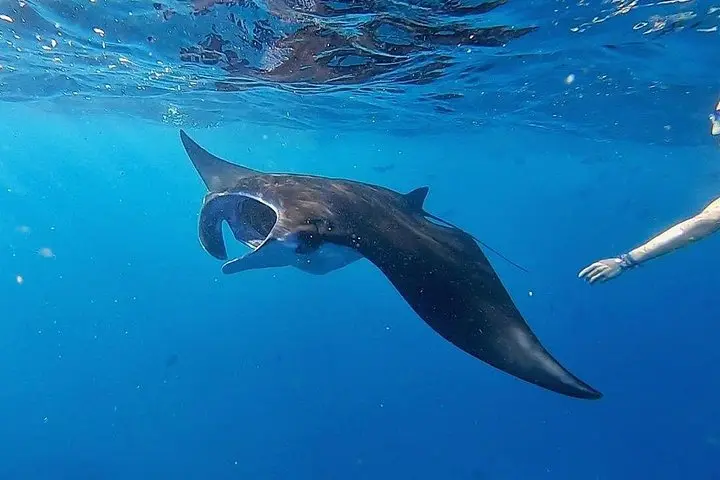
You step off the fast boat and the ocean opens like a page you can read—blue flat, then a sudden sweep of silver as current-fed plankton gathers. Manta Bay, on Nusa Lembongan’s southeast flank, is where the sea seems to call the giants in: gentle-winged mantas glide inches below the surface, feeding with patient, oceanic choreography.
You step off the fast boat and the ocean opens like a page you can read—blue flat, then a sudden sweep of silver as current-fed plankton gathers. Manta Bay, on Nusa Lembongan’s southeast flank, is where the sea seems to call the giants in: gentle-winged mantas glide inches below the surface, feeding with patient, oceanic choreography.
The islands south of Bali are limestone remnants of an uplifted seabed; currents funnel nutrients here, and local fishing and Balinese coastal culture have long respected these feeding grounds. Jungut Batu and the mangrove-fringed channels nearby reflect a working island life—boats, seaweed farms, and a rhythm set by tides rather than clocks.
Expect three snorkel stops—Manta Bay, Crystal (Gamat) Bay, and a calm mangrove point—spread across a six- to seven-hour day that includes a short mangrove boat tour and beach landings at Jungut Batu. Guides brief groups on marine park rules: no touching animals, keep a distance, and enter the water from the boat with fins and a vest. Visibility is best in the dry months, and currents can shift; guides place swimmers where mantas most often feed.
Practical notes: arrive early at Sanur harbor for the 09:15 fast boat, secure sunscreen and reef-safe protection, and bring cash for extras. Non-swimmers are accommodated with life vests and close guide support, but basic snorkeling comfort and the ability to follow briefings will make the experience smoother. Above all, be patient—the ocean decides when the mantas arrive.