THE ADVENTURE COLLECTIVE® · Independent discovery and booking for outdoor travel

Get close to eastern Cyprus’s sea turtles on a guided snorkeling tour led by marine biologists. Learn about local seagrass meadows, turtle behavior and conservation while snorkeling in clear, shallow waters—photos included.
Get close to eastern Cyprus’s sea turtles on a guided snorkeling tour led by marine biologists. Learn about local seagrass meadows, turtle behavior and conservation while snorkeling in clear, shallow waters—photos included.
Early light fractures across the Mediterranean and the water in front of Protaras turns blue-turquoise—clear enough to read the seabed. Participants slide quietly from a small skiff or shoreline cove, guided by marine biologists from the Xenios conservation project. The specialists point out breathing holes in Posidonia meadows, then hold still as a loggerhead turtle glides like a slow current toward the group.
Verified experiences and guided adventures in the surrounding area.
Operated by Cyprus Diving Centre · Protaras, Famagusta District
Early light fractures across the Mediterranean and the water in front of Protaras turns blue-turquoise—clear enough to read the seabed. Participants slide quietly from a small skiff or shoreline cove, guided by marine biologists from the Xenios conservation project. The specialists point out breathing holes in Posidonia meadows, then hold still as a loggerhead turtle glides like a slow current toward the group.
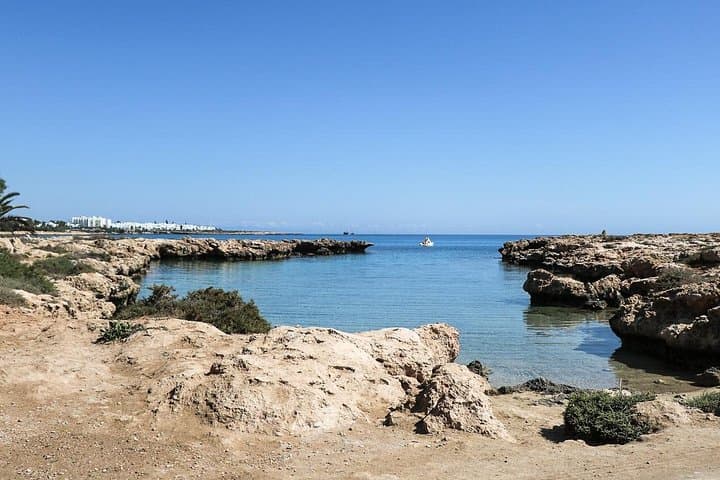
This coastline of eastern Cyprus is limestone and sand, carved by waves into low cliffs, small bays and underwater caves. Human history here runs from Venetian and Ottoman eras to modern fishing villages; today the region balances tourism with marine protection, and local groups map nesting and foraging sites for Caretta caretta.
Expect structured, educational snorkeling: a short briefing, supervised entry, 60–90 minutes in the water and a return with photos and video supplied. The guides will explain local geology, turtle behavior and how nearby seagrass supports juvenile fish. Protaras’s clarity comes from shallow shelves and seagrass beds that filter sediments—conditions that bring turtles close to shore.
Practical notes: the operator provides snorkeling gear and private transfers; swimmers of basic ability can participate. Wear a reef-safe sunscreen, secure masks, and a snug rash guard to stay warm and avoid accidental contact with animals. Keep movements slow—turtles are curious but not obliging. If seas are rough the tour may be rescheduled; cancelations are allowed up to 24 hours prior. The trip is both an encounter and a conservation briefing: enjoy the encounter, follow the guidance, and leave the water as you found it.
No—this tour is rated easy and suitable for participants with basic swimming and snorkeling ability; guides provide instruction and supervision.
Yes—snorkels, masks and fins are supplied, plus photos and video from the trip are provided afterwards.
There is a high chance of turtle sightings but wildlife is never guaranteed; guides increase odds by visiting known feeding areas and timing entries carefully.
Children who are competent swimmers can join; operators will typically confirm ages and require guardian supervision—disclose ages at booking.
Cyprus Diving Centre operates guided outdoor trips and adventures with an emphasis on safety, stewardship, and memorable experiences.
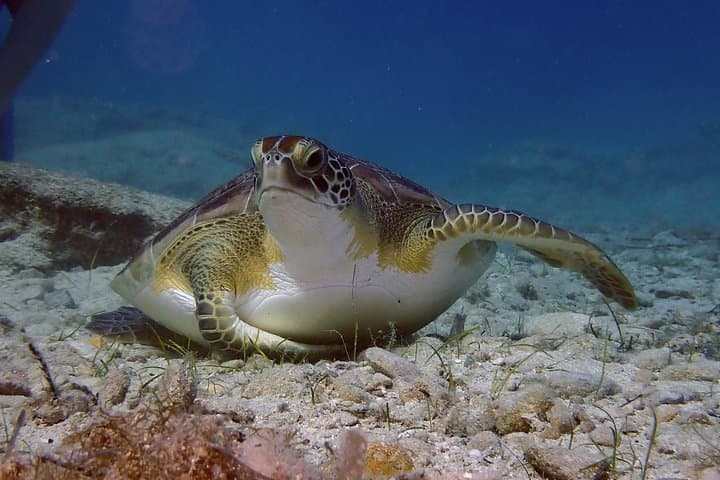
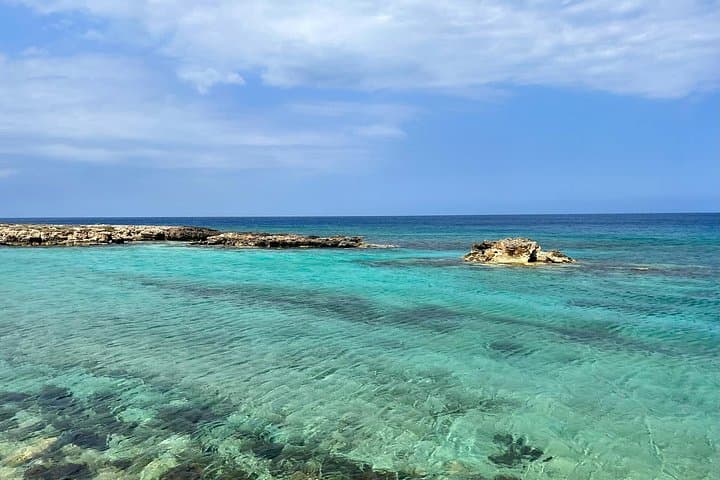
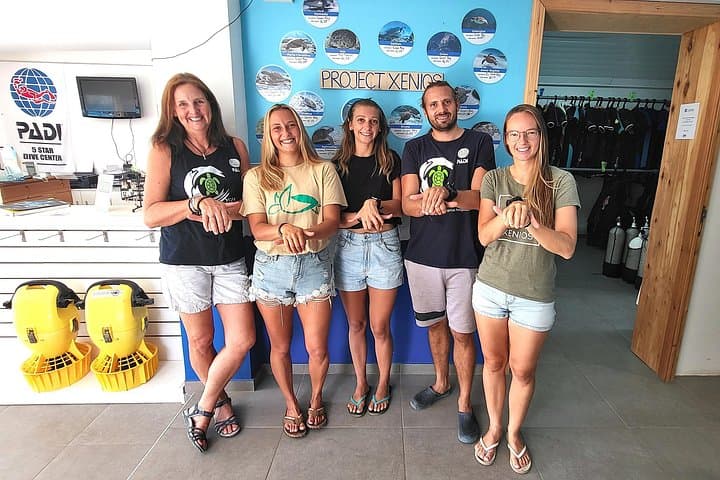
Early light fractures across the Mediterranean and the water in front of Protaras turns blue-turquoise—clear enough to read the seabed. Participants slide quietly from a small skiff or shoreline cove, guided by marine biologists from the Xenios conservation project. The specialists point out breathing holes in Posidonia meadows, then hold still as a loggerhead turtle glides like a slow current toward the group.
Early light fractures across the Mediterranean and the water in front of Protaras turns blue-turquoise—clear enough to read the seabed. Participants slide quietly from a small skiff or shoreline cove, guided by marine biologists from the Xenios conservation project. The specialists point out breathing holes in Posidonia meadows, then hold still as a loggerhead turtle glides like a slow current toward the group.
This coastline of eastern Cyprus is limestone and sand, carved by waves into low cliffs, small bays and underwater caves. Human history here runs from Venetian and Ottoman eras to modern fishing villages; today the region balances tourism with marine protection, and local groups map nesting and foraging sites for Caretta caretta.
Expect structured, educational snorkeling: a short briefing, supervised entry, 60–90 minutes in the water and a return with photos and video supplied. The guides will explain local geology, turtle behavior and how nearby seagrass supports juvenile fish. Protaras’s clarity comes from shallow shelves and seagrass beds that filter sediments—conditions that bring turtles close to shore.
Practical notes: the operator provides snorkeling gear and private transfers; swimmers of basic ability can participate. Wear a reef-safe sunscreen, secure masks, and a snug rash guard to stay warm and avoid accidental contact with animals. Keep movements slow—turtles are curious but not obliging. If seas are rough the tour may be rescheduled; cancelations are allowed up to 24 hours prior. The trip is both an encounter and a conservation briefing: enjoy the encounter, follow the guidance, and leave the water as you found it.