THE ADVENTURE COLLECTIVE® · Independent discovery and booking for outdoor travel

Wade into the shallow Caribbean at Rainbow Beach and snorkel alongside Hawksbill and Green turtles on a 90-minute guided tour. Expect calm beach entry, colorful corals, and clear morning visibility—plus practical tips to protect the reef and capture the moment.
Wade into the shallow Caribbean at Rainbow Beach and snorkel alongside Hawksbill and Green turtles on a 90-minute guided tour. Expect calm beach entry, colorful corals, and clear morning visibility—plus practical tips to protect the reef and capture the moment.
Salt spray and sunlight meet at the waterline as you step off powdery sand and into a calm Caribbean shallows—this is Rainbow Beach on St. Croix, and the ocean here practically invites you to look down.
Verified experiences and guided adventures in the surrounding area.
Operated by Sea Sports St. Croix · Christiansted, St. Croix
Salt spray and sunlight meet at the waterline as you step off powdery sand and into a calm Caribbean shallows—this is Rainbow Beach on St. Croix, and the ocean here practically invites you to look down.
The reef that fringes the shoreline is an old, living structure of coral terraces and boulder outcrops formed by millions of years of carbonate growth and reef accretion. Local fish species and the slow, purposeful Hawksbill and Green turtles have used these gardens for generations; the islands’ colonial history and boat traffic shaped the modern coastal economy, but the reef remains the island’s oldest public space.
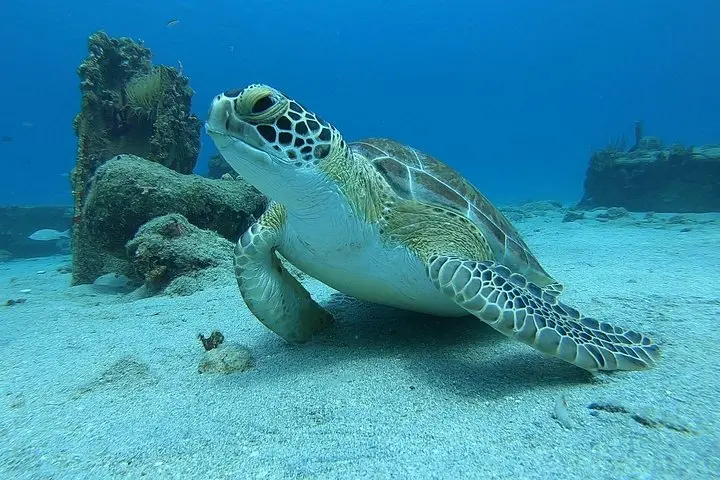
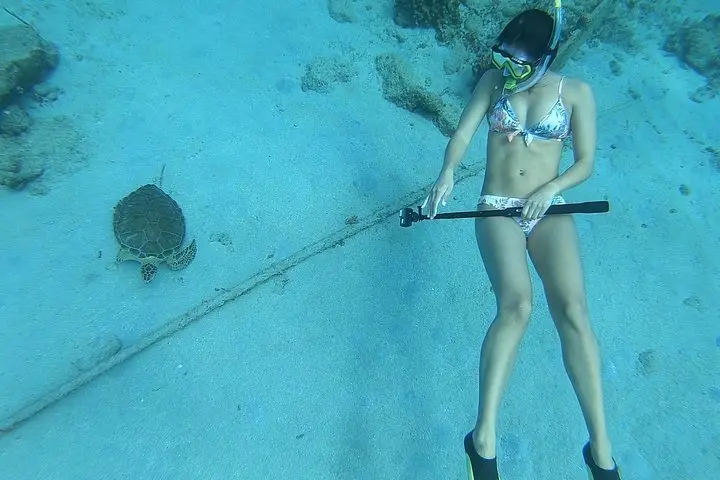
On a guided 90-minute snorkel you’ll enter from the beach, glide over scattered coral heads, and often find turtles grazing on seagrass or cruising the shallows. Guides position groups to minimize disturbance and point out parrotfish, angelfish, and nurse sharks that frequent the site.
Plan for clear morning light when winds are down and visibility is best; water temperatures generally range mid-70s to low-80s°F year-round. Use reef-safe sunscreen, keep fins and elbows clear of coral, and follow your guide’s spacing rules—turtles are protected and approachable only on their terms. Expect easy, sandy entry, short swims between sighting spots, and moderate physical effort (floating and snorkel kicking). Bring a waterproof camera, secure loose gear, hydrate before you go, and leave the reef as you found it: intact and thriving.
No advanced experience is required—participants should be comfortable in shallow water and able to swim; guides provide a safety briefing and basic technique tips.
Turtle sightings are common but not guaranteed; guides frequent known feeding and resting spots to maximize encounters.
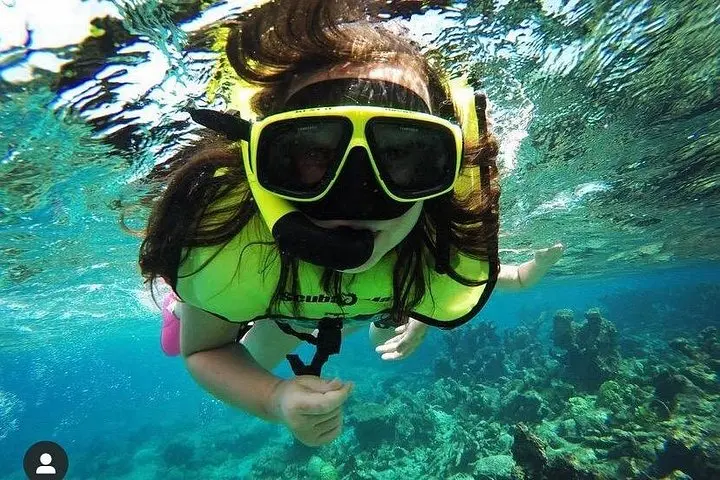
Children who can swim and follow safety instructions usually do well; life jackets are provided and guide discretion applies for younger guests.
Bring a towel, water, reef-safe sunscreen, hat, and a secure method for carrying keys or phones—waterproof pouches are useful.
Sea Sports St. Croix operates guided outdoor trips and adventures with an emphasis on safety, stewardship, and memorable experiences.
Salt spray and sunlight meet at the waterline as you step off powdery sand and into a calm Caribbean shallows—this is Rainbow Beach on St. Croix, and the ocean here practically invites you to look down.
Salt spray and sunlight meet at the waterline as you step off powdery sand and into a calm Caribbean shallows—this is Rainbow Beach on St. Croix, and the ocean here practically invites you to look down.
The reef that fringes the shoreline is an old, living structure of coral terraces and boulder outcrops formed by millions of years of carbonate growth and reef accretion. Local fish species and the slow, purposeful Hawksbill and Green turtles have used these gardens for generations; the islands’ colonial history and boat traffic shaped the modern coastal economy, but the reef remains the island’s oldest public space.
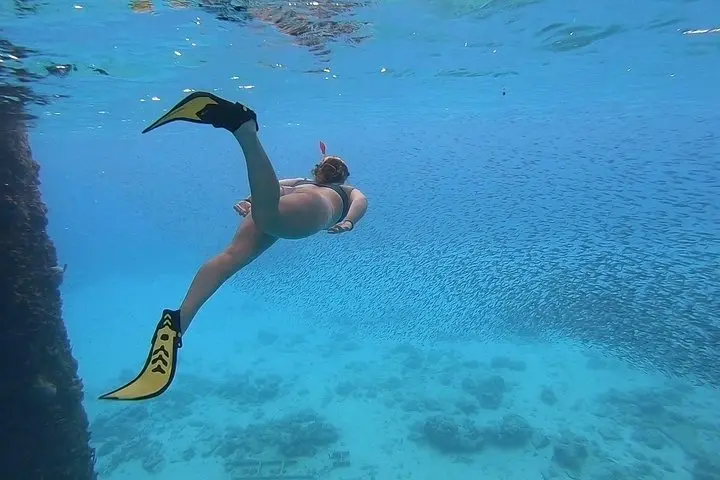
On a guided 90-minute snorkel you’ll enter from the beach, glide over scattered coral heads, and often find turtles grazing on seagrass or cruising the shallows. Guides position groups to minimize disturbance and point out parrotfish, angelfish, and nurse sharks that frequent the site.
Plan for clear morning light when winds are down and visibility is best; water temperatures generally range mid-70s to low-80s°F year-round. Use reef-safe sunscreen, keep fins and elbows clear of coral, and follow your guide’s spacing rules—turtles are protected and approachable only on their terms. Expect easy, sandy entry, short swims between sighting spots, and moderate physical effort (floating and snorkel kicking). Bring a waterproof camera, secure loose gear, hydrate before you go, and leave the reef as you found it: intact and thriving.