THE ADVENTURE COLLECTIVE® · Independent discovery and booking for outdoor travel

Swim among coral-encrusted statues and friendly sea turtles around the Gili Islands. This half- to full-day snorkeling circuit mixes calm coral gardens with an active turtle feeding ground—ideal for photographers and casual swimmers.
Swim among coral-encrusted statues and friendly sea turtles around the Gili Islands. This half- to full-day snorkeling circuit mixes calm coral gardens with an active turtle feeding ground—ideal for photographers and casual swimmers.
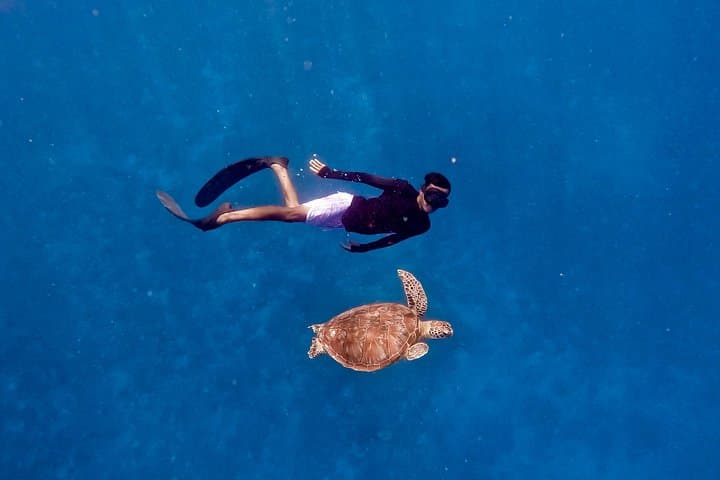
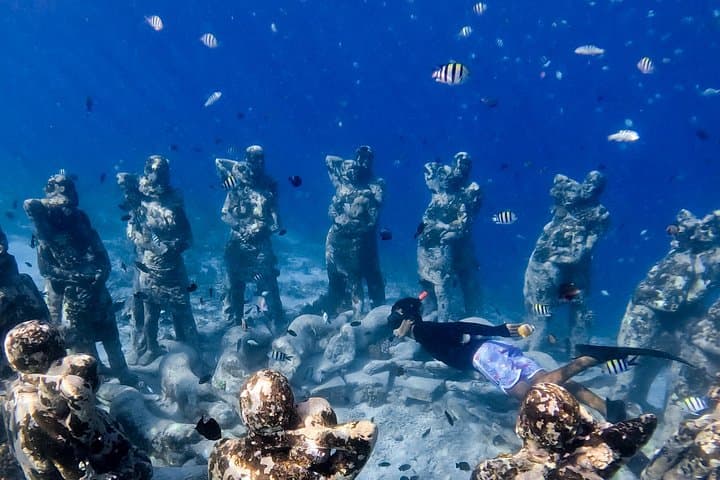
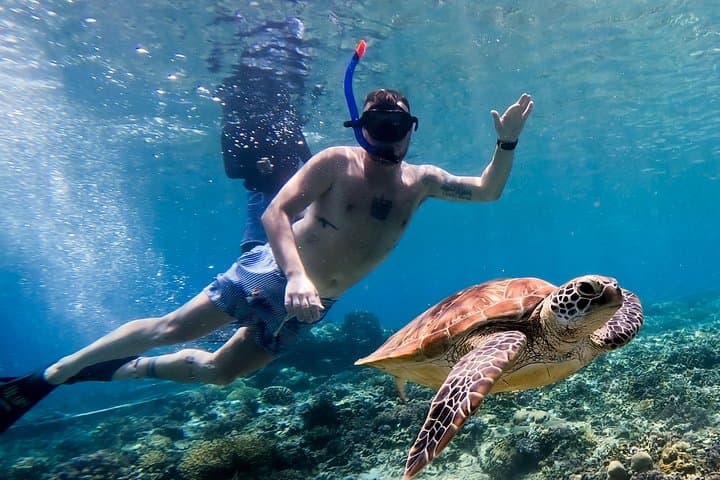
You slide off a glass-bottom boat into warm, clear water and the reef opens like a living map: a coral-encrusted statue offers shelter to damselfish, a crowded coral garden pulses with color, and a patient green turtle circles with the slow confidence of a veteran neighbor.
Verified experiences and guided adventures in the surrounding area.
Operated by Gilis_Official · Gili Trawangan, West Nusa Tenggara
You slide off a glass-bottom boat into warm, clear water and the reef opens like a living map: a coral-encrusted statue offers shelter to damselfish, a crowded coral garden pulses with color, and a patient green turtle circles with the slow confidence of a veteran neighbor.
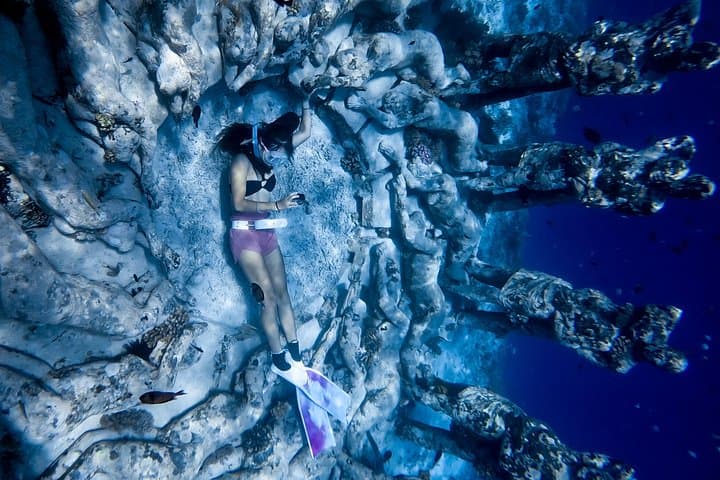
The Gili archipelago—Gili Trawangan, Meno and Air—sits off Lombok on volcanic shelves, where currents and shallow lagoons create rich coral growth. Artificial sculptures placed on some reefs act as substrate for new coral colonies; local communities and NGOs have used these features to steer tourism away from fragile zones and to encourage reef recovery. The islands’ human story is recent: largely uninhabited until the 20th century, they now blend Sasak and Balinese cultural influences with a maritime economy.
On a typical half- to full-day snorkel run you’ll visit three stops: an underwater statue site, Meno’s coral garden, and the Turtle Point where green and hawksbill turtles forage. Expect shallow reefs (1–6 m), sandy channels between coral bommies, and boat approaches that require short swims. Guides position swimmers to avoid contact with coral and turtles; buoyancy and slow movements reward close looks and better photos.
Practical tips: wear a well-fitting mask and reef-safe sunscreen, keep fins clear of coral, and schedule trips in the morning for calmer seas and better light. If you want quieter water, ask the operator about timing and which island—Meno and Air are usually less busy than Trawangan. Respect local rules: don’t touch or feed wildlife, and follow guide instructions to minimize impact.
Yes—most operators include masks, snorkels, and fins; life jackets are usually available for less confident swimmers.
Turtle Point has frequent turtle sightings, but wildlife is never guaranteed; morning trips and quiet movement increase chances.
Operators often provide life jackets and infant seats, but non-swimmers should stay with guides and use a life jacket; children may join under adult supervision.
Trips commonly cancel in heavy weather—check the operator’s 24-hour cancellation policy for refunds and rebooking options.
Gilis_Official operates guided outdoor trips and adventures with an emphasis on safety, stewardship, and memorable experiences.
You slide off a glass-bottom boat into warm, clear water and the reef opens like a living map: a coral-encrusted statue offers shelter to damselfish, a crowded coral garden pulses with color, and a patient green turtle circles with the slow confidence of a veteran neighbor.
You slide off a glass-bottom boat into warm, clear water and the reef opens like a living map: a coral-encrusted statue offers shelter to damselfish, a crowded coral garden pulses with color, and a patient green turtle circles with the slow confidence of a veteran neighbor.
The Gili archipelago—Gili Trawangan, Meno and Air—sits off Lombok on volcanic shelves, where currents and shallow lagoons create rich coral growth. Artificial sculptures placed on some reefs act as substrate for new coral colonies; local communities and NGOs have used these features to steer tourism away from fragile zones and to encourage reef recovery. The islands’ human story is recent: largely uninhabited until the 20th century, they now blend Sasak and Balinese cultural influences with a maritime economy.
On a typical half- to full-day snorkel run you’ll visit three stops: an underwater statue site, Meno’s coral garden, and the Turtle Point where green and hawksbill turtles forage. Expect shallow reefs (1–6 m), sandy channels between coral bommies, and boat approaches that require short swims. Guides position swimmers to avoid contact with coral and turtles; buoyancy and slow movements reward close looks and better photos.
Practical tips: wear a well-fitting mask and reef-safe sunscreen, keep fins clear of coral, and schedule trips in the morning for calmer seas and better light. If you want quieter water, ask the operator about timing and which island—Meno and Air are usually less busy than Trawangan. Respect local rules: don’t touch or feed wildlife, and follow guide instructions to minimize impact.