THE ADVENTURE COLLECTIVE® · Independent discovery and booking for outdoor travel

Swim where sea grass fields meet coral shelves and green sea turtles graze in Akumal Bay. This private snorkeling and cenote swim combines early-morning calm, local conservation practices, and the rare chance to watch turtles up close—if you know how to behave in their world.
Swim where sea grass fields meet coral shelves and green sea turtles graze in Akumal Bay. This private snorkeling and cenote swim combines early-morning calm, local conservation practices, and the rare chance to watch turtles up close—if you know how to behave in their world.
The first splash is always a small surprise—warm Caribbean water kissing your face while the shoreline of Akumal settles into a quiet arc behind you. In the shallow bay, patches of seagrass sway like a green ocean floor, and within those blades the region’s most famous residents move with patient purpose: green sea turtles, heads bobbing as they graze.
Verified experiences and guided adventures in the surrounding area.
Operated by CanaMex Adventures · Akumal, Quintana Roo
The first splash is always a small surprise—warm Caribbean water kissing your face while the shoreline of Akumal settles into a quiet arc behind you. In the shallow bay, patches of seagrass sway like a green ocean floor, and within those blades the region’s most famous residents move with patient purpose: green sea turtles, heads bobbing as they graze.
Akumal means “place of the turtles” in Yucatec Maya, and the name is literal: generations of turtles have used this bay and nearby reef to feed and rest. Geologically the coast here is a low limestone plateau scored by underground rivers; where the reef drops away you can see the darker, coral-dotted shelf that attracts both fish and snorkelers. Local guides combine this shallow marine world with inland freshwater — a cenote swim — so the day reads like a primer on Riviera Maya’s dual aquatic identities.
Culturally, the area sits between Playa del Carmen and Tulum and retains a slower village rhythm: fishermen mending nets, small palapa kitchens smoking grill char, and a community negotiating conservation and tourism. That balance matters—the turtles are protected and guided snorkel etiquette and reef-friendly sunscreen are enforced to limit human impact.
On a private excursion you set the pace. Guides will shuttle you from your hotel, fit masks and fins, and pilot a calm route to the bay’s best feeding areas. Expect shallow swims over seagrass, interrupted by sudden drops where coral gardens host angelfish and rays. The cenote segment—if included—gives a cool contrast: freshwater clarity, thermoclines, and limestone walls that feel cathedral-quiet compared with the open sea.
Practicalities matter. Mornings, especially first light, are best: the water is calmer and turtles often feed in shallower water. Wear a snug mask and a reef-safe sunscreen; if you don’t bring one, ask your guide. Never chase or touch turtles—approach slowly, let them choose distance, and keep fins low to avoid stirring sediment or damaging coral. Expect shallow water but variable currents; basic swimming ability and comfort with snorkeling are required. Bring a waterproof case for a quick underwater camera or a polarized lens for over-water shots.
A private tour is flexible—ask your guide to linger where a turtle has settled or to lengthen the cenote stop for better light. For conservation-forward travelers, this is a study in respectful proximity: Akumal’s wild neighbors will show up if you match patience with restraint.
Yes—use of snorkeling equipment is included, but many travelers prefer their own well-fitting mask for comfort and leak prevention.
Yes—tours are family-friendly and infant seats/assistance are available, but children should be comfortable in the water and supervised at all times.
Approach slowly and allow turtles to remain undisturbed; guides will instruct you to stop within a respectful distance and never touch wildlife.
Cenote swims are usually calm and shallow but can feel deep; beginners should wear a life vest and stay near the guide if unsure.
Early morning—shortly after sunrise—offers calmer seas, clearer water, and more predictable turtle activity.
Light, quick-drying clothing, swimwear underneath, water shoes for rocky entries, and sunscreen applied before arrival.
CanaMex Adventures operates guided outdoor trips and adventures with an emphasis on safety, stewardship, and memorable experiences.
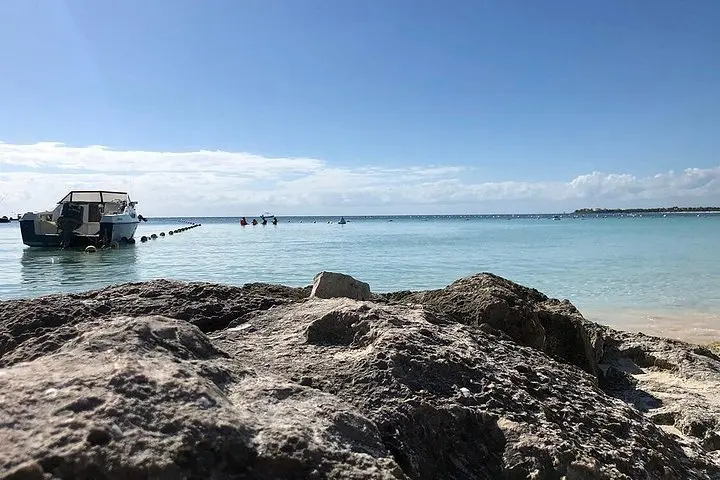
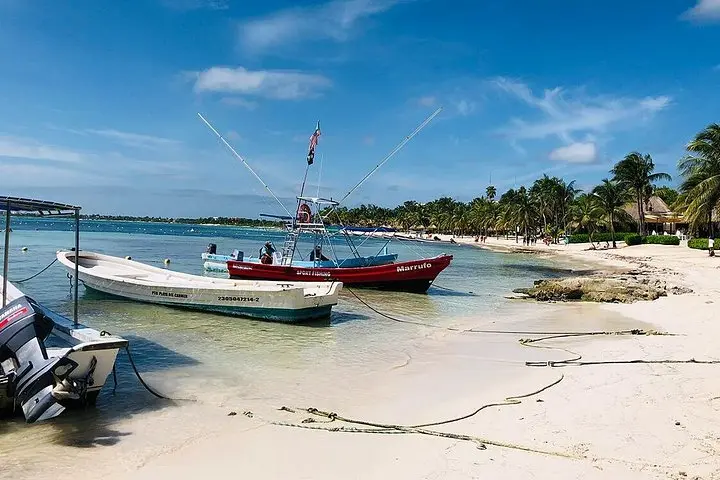
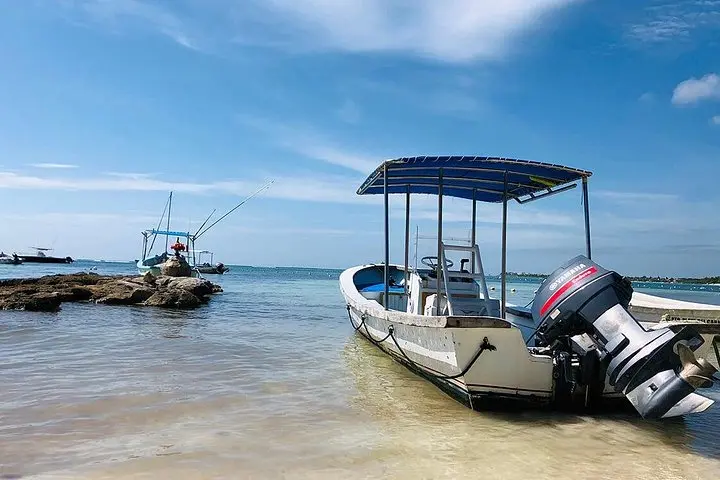
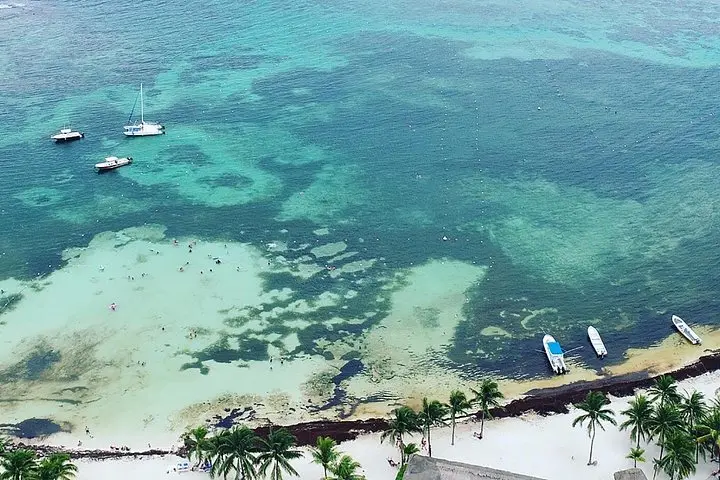
The first splash is always a small surprise—warm Caribbean water kissing your face while the shoreline of Akumal settles into a quiet arc behind you. In the shallow bay, patches of seagrass sway like a green ocean floor, and within those blades the region’s most famous residents move with patient purpose: green sea turtles, heads bobbing as they graze.
The first splash is always a small surprise—warm Caribbean water kissing your face while the shoreline of Akumal settles into a quiet arc behind you. In the shallow bay, patches of seagrass sway like a green ocean floor, and within those blades the region’s most famous residents move with patient purpose: green sea turtles, heads bobbing as they graze.
Akumal means “place of the turtles” in Yucatec Maya, and the name is literal: generations of turtles have used this bay and nearby reef to feed and rest. Geologically the coast here is a low limestone plateau scored by underground rivers; where the reef drops away you can see the darker, coral-dotted shelf that attracts both fish and snorkelers. Local guides combine this shallow marine world with inland freshwater — a cenote swim — so the day reads like a primer on Riviera Maya’s dual aquatic identities.
Culturally, the area sits between Playa del Carmen and Tulum and retains a slower village rhythm: fishermen mending nets, small palapa kitchens smoking grill char, and a community negotiating conservation and tourism. That balance matters—the turtles are protected and guided snorkel etiquette and reef-friendly sunscreen are enforced to limit human impact.
On a private excursion you set the pace. Guides will shuttle you from your hotel, fit masks and fins, and pilot a calm route to the bay’s best feeding areas. Expect shallow swims over seagrass, interrupted by sudden drops where coral gardens host angelfish and rays. The cenote segment—if included—gives a cool contrast: freshwater clarity, thermoclines, and limestone walls that feel cathedral-quiet compared with the open sea.
Practicalities matter. Mornings, especially first light, are best: the water is calmer and turtles often feed in shallower water. Wear a snug mask and a reef-safe sunscreen; if you don’t bring one, ask your guide. Never chase or touch turtles—approach slowly, let them choose distance, and keep fins low to avoid stirring sediment or damaging coral. Expect shallow water but variable currents; basic swimming ability and comfort with snorkeling are required. Bring a waterproof case for a quick underwater camera or a polarized lens for over-water shots.
A private tour is flexible—ask your guide to linger where a turtle has settled or to lengthen the cenote stop for better light. For conservation-forward travelers, this is a study in respectful proximity: Akumal’s wild neighbors will show up if you match patience with restraint.