THE ADVENTURE COLLECTIVE® · Independent discovery and booking for outdoor travel

Spend a day traveling from Los Cabos to La Paz to snorkel alongside whale sharks in the Sea of Cortez. This practical guide explains what to expect, when to go, and how to prepare for a safe, respectful wildlife encounter.
Spend a day traveling from Los Cabos to La Paz to snorkel alongside whale sharks in the Sea of Cortez. This practical guide explains what to expect, when to go, and how to prepare for a safe, respectful wildlife encounter.
Morning light slants across the Sea of Cortez as the van eases away from Los Cabos, coffee cups in hand and sea salt already in the air. By mid-morning the shoreline of La Paz slides into view; the boat unloads into a gentle swell and the guides brief the group—whale sharks are surface feeders, slow-moving and curious, but the rules are strict: observe, don’t touch.
Verified experiences and guided adventures in the surrounding area.
Operated by Tours cabo s de rl · La Paz, Baja California Sur
Morning light slants across the Sea of Cortez as the van eases away from Los Cabos, coffee cups in hand and sea salt already in the air. By mid-morning the shoreline of La Paz slides into view; the boat unloads into a gentle swell and the guides brief the group—whale sharks are surface feeders, slow-moving and curious, but the rules are strict: observe, don’t touch.
The Sea of Cortez is a young ocean basin carved by tectonic rifts and fed by rich currents that concentrate plankton, the whale shark’s staple. Local fishing towns like La Paz have shifted from extractive to experiential economies, and many operators here combine traditional knowledge with national wildlife protections.
Expect an 8-hour day: hotel pickup, a drive to La Paz, boat runs to feeding areas, multiple snorkel sessions and a shore lunch. Water temperatures vary seasonally—wetsuits are common in cooler months. Guides provide masks, fins, snorkel vests and brief coaching before each entry.
Practically, plan for motion on the boat, bright sun, and quick water entries. Bring reef-safe sunscreen, a secure camera system, and layers for the return ride. Respect spacing rules around whale sharks—photos from a respectful distance make for better memories and better conservation outcomes.
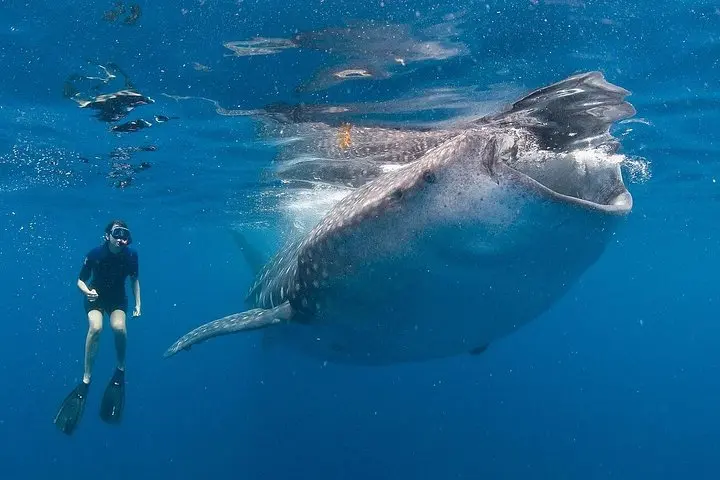
This is an active wildlife encounter: timing, patience, and basic swimming comfort determine how close you get. When the whale shark appears, it moves like a slow tide, mouth open and plankton-rich water pouring past—an encounter that feels more like a shared moment with a patient neighbor than a chase.
No—basic swimming and comfort floating in open water are sufficient; guides provide masks, fins, vests and short coaching before each entry.
Best months are roughly October through April, with peak sightings in late fall to early spring when plankton concentrations rise.
No—wildlife sightings can’t be guaranteed; operators plan for multiple search areas and return trips during the day to maximize odds.
Yes—minimum age is typically 8, and minors must be accompanied by an adult; pregnant guests and those with serious heart/back conditions are not advised to join.
Tours cabo s de rl operates guided outdoor trips and adventures with an emphasis on safety, stewardship, and memorable experiences.
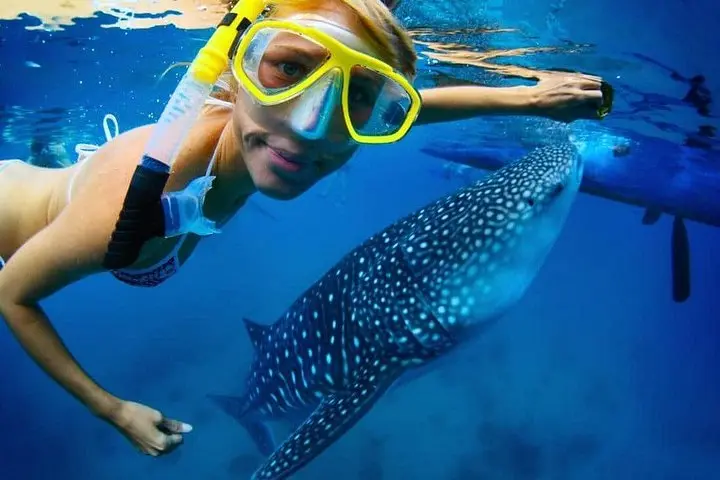
Morning light slants across the Sea of Cortez as the van eases away from Los Cabos, coffee cups in hand and sea salt already in the air. By mid-morning the shoreline of La Paz slides into view; the boat unloads into a gentle swell and the guides brief the group—whale sharks are surface feeders, slow-moving and curious, but the rules are strict: observe, don’t touch.
Morning light slants across the Sea of Cortez as the van eases away from Los Cabos, coffee cups in hand and sea salt already in the air. By mid-morning the shoreline of La Paz slides into view; the boat unloads into a gentle swell and the guides brief the group—whale sharks are surface feeders, slow-moving and curious, but the rules are strict: observe, don’t touch.
The Sea of Cortez is a young ocean basin carved by tectonic rifts and fed by rich currents that concentrate plankton, the whale shark’s staple. Local fishing towns like La Paz have shifted from extractive to experiential economies, and many operators here combine traditional knowledge with national wildlife protections.
Expect an 8-hour day: hotel pickup, a drive to La Paz, boat runs to feeding areas, multiple snorkel sessions and a shore lunch. Water temperatures vary seasonally—wetsuits are common in cooler months. Guides provide masks, fins, snorkel vests and brief coaching before each entry.
Practically, plan for motion on the boat, bright sun, and quick water entries. Bring reef-safe sunscreen, a secure camera system, and layers for the return ride. Respect spacing rules around whale sharks—photos from a respectful distance make for better memories and better conservation outcomes.
This is an active wildlife encounter: timing, patience, and basic swimming comfort determine how close you get. When the whale shark appears, it moves like a slow tide, mouth open and plankton-rich water pouring past—an encounter that feels more like a shared moment with a patient neighbor than a chase.