THE ADVENTURE COLLECTIVE® · Independent discovery and booking for outdoor travel

Board a morning speedboat from Cancún to the whale shark feeding grounds near Isla Contoy. Expect 2–3 guided snorkel immersions with strict no-touch rules, mandatory life vests, and a focus on reef-safe practices.
Board a morning speedboat from Cancún to the whale shark feeding grounds near Isla Contoy. Expect 2–3 guided snorkel immersions with strict no-touch rules, mandatory life vests, and a focus on reef-safe practices.
The boat slips away from the Cancún marina before sunrise, the Caribbean stretching as a flat, sunlit sheet that dares you to cross it.
Verified experiences and guided adventures in the surrounding area.
Operated by Cancun Mayan Travel · Cancún, Quintana Roo
The boat slips away from the Cancún marina before sunrise, the Caribbean stretching as a flat, sunlit sheet that dares you to cross it.
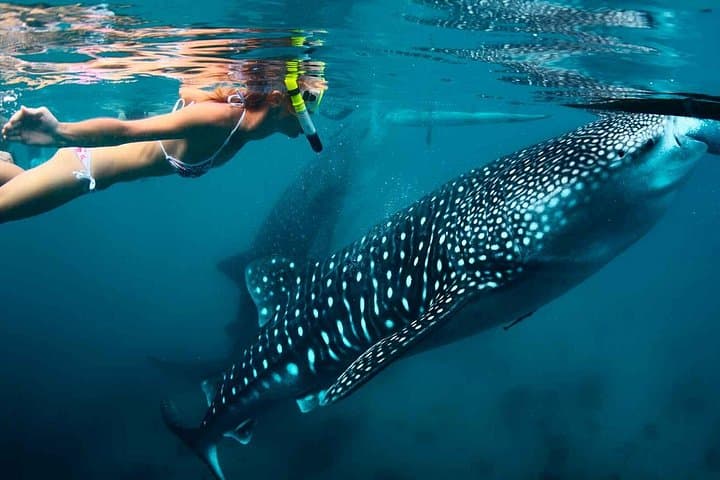
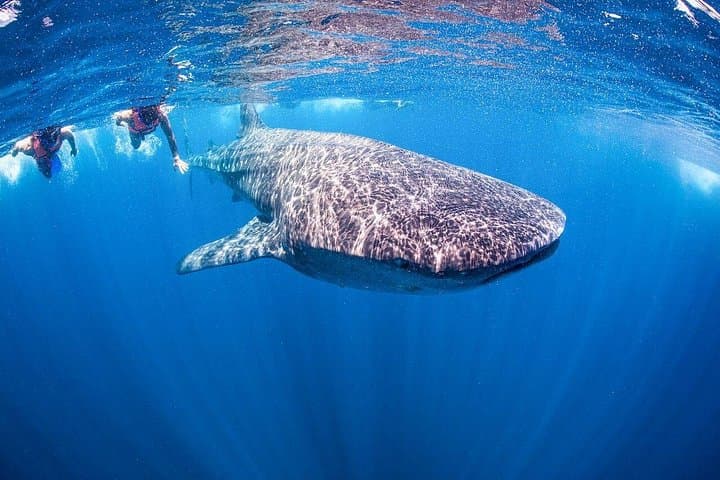
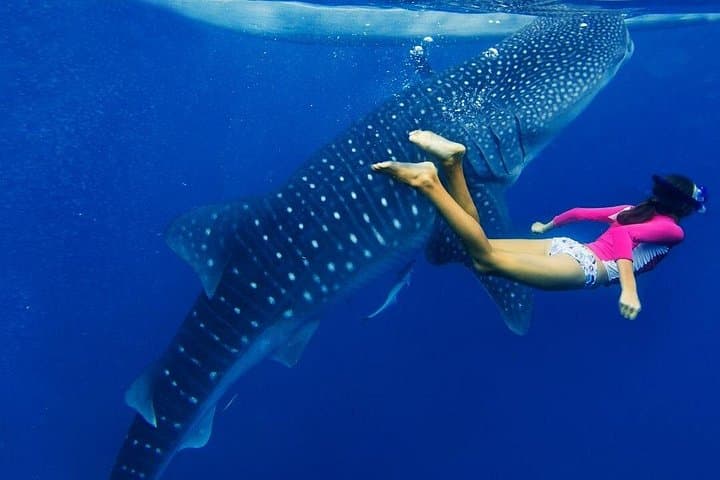
You cut through warm turquoise water toward Isla Contoy and the feeding grounds where whale sharks gather in summer months. These gentle giants move with slow, deliberate grace; currents push plankton and life past their wide mouths as guides ready the snorkel gear. Onboard, bilingual naturalists brief the group on safe distance, the species' migration, and the compulsory use of biodegradable sunscreen.
The region’s limestone shelf and shallow Atlantic rim create nutrient channels that attract plankton—nature’s invitation for filter-feeders. Isla Contoy itself is a protected reserve and an important nesting site for seabirds and sea turtles, a cultural touchstone for local fishers and conservationists who helped secure its protection.
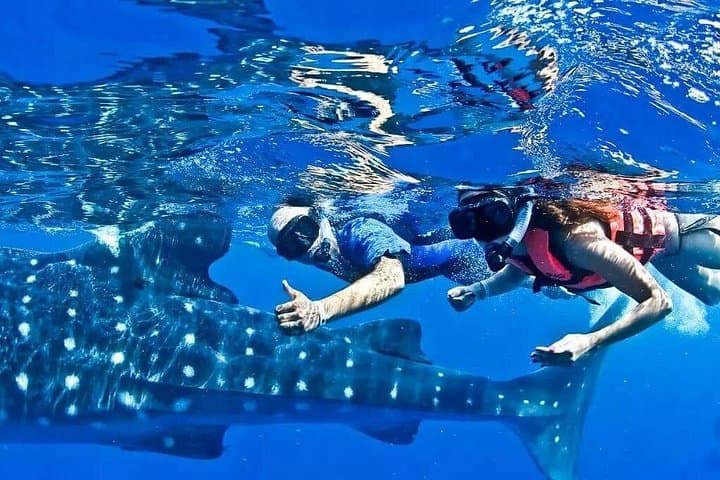
Practically, expect a 1–1.5 hour transit to the search area, followed by 2–3 snorkel immersions; entries are done two swimmers at a time with a guide. Life vests are mandatory, and touching or pursuing the animals is prohibited. Bring a snug mask, reef-safe sunscreen, and expect sun reflection on the open water—timing early in the morning improves visibility and calm seas. If you’re prone to seasickness, take precautions the night before and the morning of the trip.
The experience balances close-quarters wildlife viewing with clear rules: respect distance, follow guide instructions, and pack out what you bring. Do it right and the day becomes a vivid lesson in ocean life and responsible adventure.
Peak season runs roughly May through September when plankton blooms attract large numbers of whale sharks to the Riviera Maya waters.
No—whale sharks are filter feeders and not aggressive, but you must keep distance and follow guides to avoid disturbing them.
Tours typically involve a 1–1.5 hour transit to the search area, 2–3 guided snorkel entries with two swimmers per guide, and mandatory life vests.
Full refund if you cancel at least 24 hours before departure; note the tour is not available on the 30th of each month and biodegradable sunscreen is mandatory.
Cancun Mayan Travel operates guided outdoor trips and adventures with an emphasis on safety, stewardship, and memorable experiences.
The boat slips away from the Cancún marina before sunrise, the Caribbean stretching as a flat, sunlit sheet that dares you to cross it.
The boat slips away from the Cancún marina before sunrise, the Caribbean stretching as a flat, sunlit sheet that dares you to cross it.
You cut through warm turquoise water toward Isla Contoy and the feeding grounds where whale sharks gather in summer months. These gentle giants move with slow, deliberate grace; currents push plankton and life past their wide mouths as guides ready the snorkel gear. Onboard, bilingual naturalists brief the group on safe distance, the species' migration, and the compulsory use of biodegradable sunscreen.
The region’s limestone shelf and shallow Atlantic rim create nutrient channels that attract plankton—nature’s invitation for filter-feeders. Isla Contoy itself is a protected reserve and an important nesting site for seabirds and sea turtles, a cultural touchstone for local fishers and conservationists who helped secure its protection.
Practically, expect a 1–1.5 hour transit to the search area, followed by 2–3 snorkel immersions; entries are done two swimmers at a time with a guide. Life vests are mandatory, and touching or pursuing the animals is prohibited. Bring a snug mask, reef-safe sunscreen, and expect sun reflection on the open water—timing early in the morning improves visibility and calm seas. If you’re prone to seasickness, take precautions the night before and the morning of the trip.
The experience balances close-quarters wildlife viewing with clear rules: respect distance, follow guide instructions, and pack out what you bring. Do it right and the day becomes a vivid lesson in ocean life and responsible adventure.