THE ADVENTURE COLLECTIVE® · Independent discovery and booking for outdoor travel

Float over the USAT Liberty wreck, slide through coral gardens and spot turtles on a guided snorkeling day trip from Amed. This practical guide covers what to expect, where the best visibility is, and how to prepare.
Float over the USAT Liberty wreck, slide through coral gardens and spot turtles on a guided snorkeling day trip from Amed. This practical guide covers what to expect, where the best visibility is, and how to prepare.
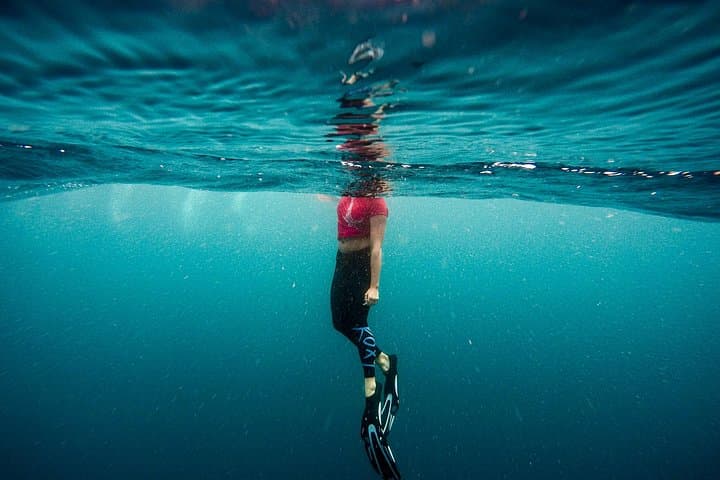
You push off from a narrow black-sand beach and the reef immediately takes hold — a ribbon of coral alive with darting fish, the surface sparkling under a Bali sun. Waves lap the volcanic shore carved from Mount Agung’s eruptions; beneath, the USAT Liberty wreck rests like an iron reef, its ribs sheltering turtles and schools of fusiliers.
Verified experiences and guided adventures in the surrounding area.
Operated by BIRD DIVE CENTER · Tulamben, Bali
You push off from a narrow black-sand beach and the reef immediately takes hold — a ribbon of coral alive with darting fish, the surface sparkling under a Bali sun. Waves lap the volcanic shore carved from Mount Agung’s eruptions; beneath, the USAT Liberty wreck rests like an iron reef, its ribs sheltering turtles and schools of fusiliers.
This stretch of Bali’s northeastern coast carries WWII history: the Liberty, torpedoed and beached in 1942, became an accidental artificial reef. Geologically, lava fields slope straight into the sea here, producing steep drop-offs and pockets where hard and soft corals grow in concentrated bands. Local fishing villages retain a conservative HIndu-Balinese culture; mornings bring fishermen mending nets and offerings laid at small shrines by the water.
On a typical day trip you’ll check equipment at a dive center, follow guides to two snorkel sites (15–20 minutes apart), spend 45–60 minutes in the water per session, then return for a simple Indonesian lunch and optional paddleboarding. Visibility is best in the dry season; currents around the wreck can be lively, so guides choose sites according to conditions.
Practical advice: book morning slots for calmer seas and clearer light, use reef-safe sunscreen and a snug mask, and wear a rashguard or thin wetsuit to reduce sun and current fatigue. Respect the reef — no touching or standing on coral — and carry a small waterproof bag for your phone and extra cash for local tips. This day trip is equal parts history, geology, and a hands-on marine encounter.
No — this is a snorkeling trip; you should have basic swimming and snorkeling experience, though dive-certified guests also join for surface swims above the wreck.
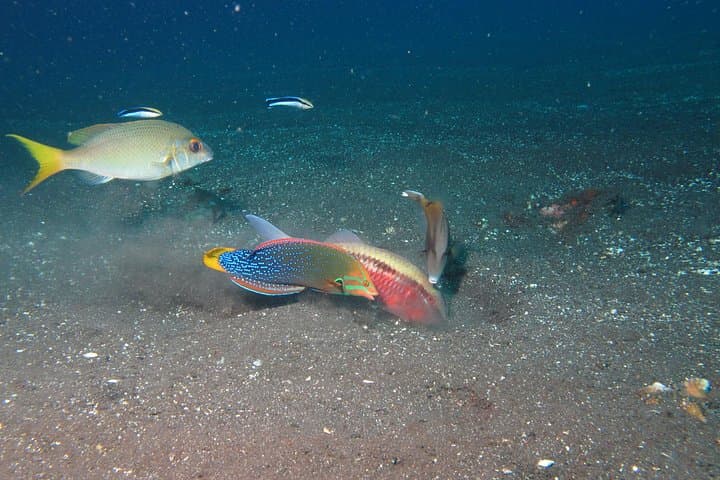
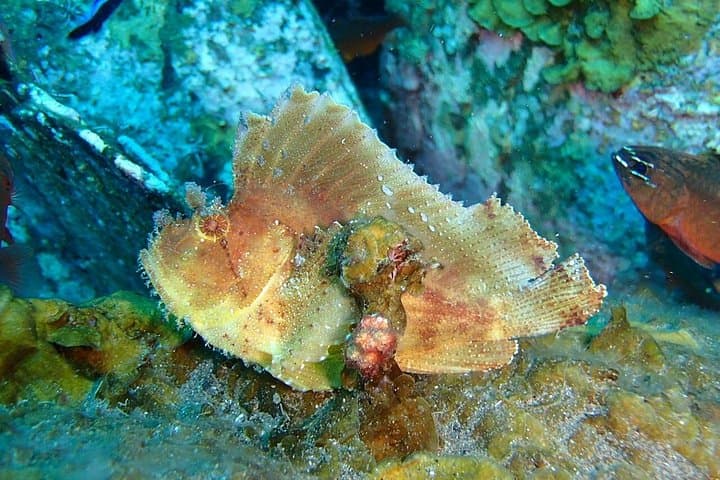
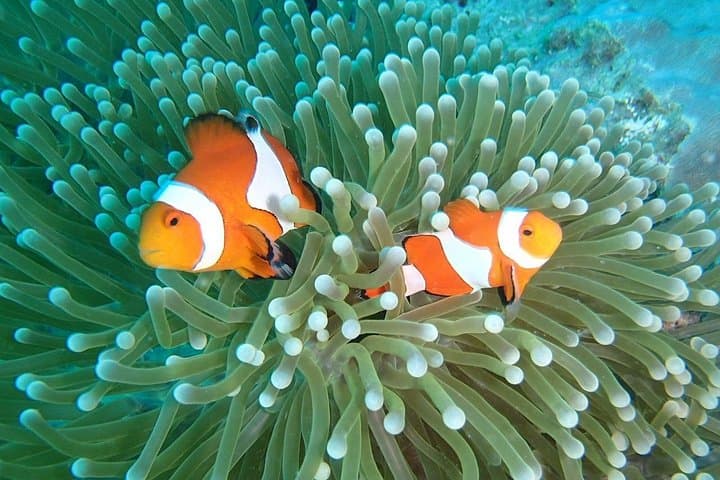
Expect reef fish (angelfish, clownfish, fusiliers), occasional sea turtles, and abundant corals around the wreck and nearby gardens.
Shared transport from main hotels in the Amed/Tulamben region is typically provided—confirm your pickup point at booking.
Each session lasts about 45–60 minutes, adjusted for comfort, currents, and group energy levels.
BIRD DIVE CENTER operates guided outdoor trips and adventures with an emphasis on safety, stewardship, and memorable experiences.
You push off from a narrow black-sand beach and the reef immediately takes hold — a ribbon of coral alive with darting fish, the surface sparkling under a Bali sun. Waves lap the volcanic shore carved from Mount Agung’s eruptions; beneath, the USAT Liberty wreck rests like an iron reef, its ribs sheltering turtles and schools of fusiliers.
You push off from a narrow black-sand beach and the reef immediately takes hold — a ribbon of coral alive with darting fish, the surface sparkling under a Bali sun. Waves lap the volcanic shore carved from Mount Agung’s eruptions; beneath, the USAT Liberty wreck rests like an iron reef, its ribs sheltering turtles and schools of fusiliers.
This stretch of Bali’s northeastern coast carries WWII history: the Liberty, torpedoed and beached in 1942, became an accidental artificial reef. Geologically, lava fields slope straight into the sea here, producing steep drop-offs and pockets where hard and soft corals grow in concentrated bands. Local fishing villages retain a conservative HIndu-Balinese culture; mornings bring fishermen mending nets and offerings laid at small shrines by the water.
On a typical day trip you’ll check equipment at a dive center, follow guides to two snorkel sites (15–20 minutes apart), spend 45–60 minutes in the water per session, then return for a simple Indonesian lunch and optional paddleboarding. Visibility is best in the dry season; currents around the wreck can be lively, so guides choose sites according to conditions.
Practical advice: book morning slots for calmer seas and clearer light, use reef-safe sunscreen and a snug mask, and wear a rashguard or thin wetsuit to reduce sun and current fatigue. Respect the reef — no touching or standing on coral — and carry a small waterproof bag for your phone and extra cash for local tips. This day trip is equal parts history, geology, and a hands-on marine encounter.