THE ADVENTURE COLLECTIVE® · Independent discovery and booking for outdoor travel

Head out from Tamarindo to the rocky Catalina Islands for a focused, wildlife-driven snorkeling trip. Expect one intense hour in the water, local guide expertise, and a strong chance of seeing rays, reef sharks and dense schools of fish.
Head out from Tamarindo to the rocky Catalina Islands for a focused, wildlife-driven snorkeling trip. Expect one intense hour in the water, local guide expertise, and a strong chance of seeing rays, reef sharks and dense schools of fish.
The engine thumps, spray hits your face and the shoreline of Tamarindo shrinks into a jagged ribbon as the boat heads for the Catalina Islands. Line upon line of volcanic rock rises from the Pacific; kelp farms and dark reefs blur beneath a silver surface that promises sudden motion — a ray folding like a paper plane, a reef shark curving through blue. You don a mask, feel the ocean pull at your fins and slip beneath a surface that suddenly feels both intimate and enormous.
Verified experiences and guided adventures in the surrounding area.
Operated by TamaDive Dive Center · Tamarindo, Guanacaste
The engine thumps, spray hits your face and the shoreline of Tamarindo shrinks into a jagged ribbon as the boat heads for the Catalina Islands. Line upon line of volcanic rock rises from the Pacific; kelp farms and dark reefs blur beneath a silver surface that promises sudden motion — a ray folding like a paper plane, a reef shark curving through blue. You don a mask, feel the ocean pull at your fins and slip beneath a surface that suddenly feels both intimate and enormous.
Geology here is blunt and recent: the islands are basaltic outcrops formed by volcanic activity tied to the Nicoya Peninsula. Currents and upwellings make these rocks rich feeding grounds, concentrating fish and the larger predators that chase them. The local fishing communities on the Tamarindo coast read tides and swell like weathered maps—this is not a placid swimming pool; the sea has moods and it will tell you when to go.
Culturally, Tamarindo is where surf culture and ecotourism collide. Guides who run the Catalina trips came up through fishing and diving families, and their knowledge of seasonal patterns matters: visibility, current strength and where the manta rays often feed are all local intelligence. The tour is practical, operated from a dive center in Tamarindo with pickup available; boats carry small groups (max ~10), and you’ll typically snorkel for up to an hour at a single, chosen site.
Expectations matter. The full outing runs roughly seven hours door-to-door — transfers, boat transit and surface intervals included — but actual in-water time is short and intense. Between December and April the surface can be choppier and visibility lower; other months often bring clearer water and calmer conditions. Snorkeling here can be strenuous if the ocean is rough, so basic swimming confidence and a moderate fitness level are required.
Practical tips: arrive with a light breakfast, hydrate, and apply reef-safe sunscreen before boarding. Bring motion-sickness medication if you’re prone to seasickness; the guides will brief you on currents and demonstrate basic safety like mask clearing and buddy checks. Equipment is provided, but many travelers bring their own well-fitted mask for comfort and clearer vision.
This is a wildlife-first outing: you go for the fish and come back with a clearer sense of ocean dynamics and respect for the currents that shape life along this stretch of Costa Rica. Whether you’re after the flash of a manta wing or the casual inspection of a whitetip reef shark, the Catalina Islands deliver a marine encounter that’s vivid, fast and unforgettable — if you come prepared.
You’ll snorkel for up to one hour at a single site; the total activity is about 7 hours including transfers and boat transit.
Not recommended — the provider advises against non-swimmers because conditions can be rough and the site is open water.
Common sightings include rays, reef sharks, large schools of tropical fish, and occasionally manta rays depending on season and visibility.
Yes — masks, snorkels, fins and life vests are provided, plus bottled water and snacks on return.
Visibility and surface conditions vary; provider warns that December–April can be rough and reduce surface visibility—other months often offer calmer, clearer water.
Yes — pickup in Tamarindo and Langosta is typically included; expect a 30-minute advance pickup window and a confirmation the day before.
TamaDive Dive Center operates guided outdoor trips and adventures with an emphasis on safety, stewardship, and memorable experiences.
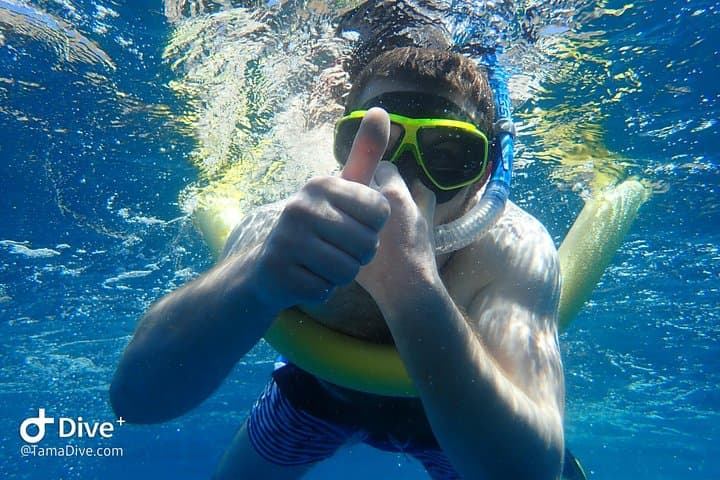


The engine thumps, spray hits your face and the shoreline of Tamarindo shrinks into a jagged ribbon as the boat heads for the Catalina Islands. Line upon line of volcanic rock rises from the Pacific; kelp farms and dark reefs blur beneath a silver surface that promises sudden motion — a ray folding like a paper plane, a reef shark curving through blue. You don a mask, feel the ocean pull at your fins and slip beneath a surface that suddenly feels both intimate and enormous.
The engine thumps, spray hits your face and the shoreline of Tamarindo shrinks into a jagged ribbon as the boat heads for the Catalina Islands. Line upon line of volcanic rock rises from the Pacific; kelp farms and dark reefs blur beneath a silver surface that promises sudden motion — a ray folding like a paper plane, a reef shark curving through blue. You don a mask, feel the ocean pull at your fins and slip beneath a surface that suddenly feels both intimate and enormous.
Geology here is blunt and recent: the islands are basaltic outcrops formed by volcanic activity tied to the Nicoya Peninsula. Currents and upwellings make these rocks rich feeding grounds, concentrating fish and the larger predators that chase them. The local fishing communities on the Tamarindo coast read tides and swell like weathered maps—this is not a placid swimming pool; the sea has moods and it will tell you when to go.
Culturally, Tamarindo is where surf culture and ecotourism collide. Guides who run the Catalina trips came up through fishing and diving families, and their knowledge of seasonal patterns matters: visibility, current strength and where the manta rays often feed are all local intelligence. The tour is practical, operated from a dive center in Tamarindo with pickup available; boats carry small groups (max ~10), and you’ll typically snorkel for up to an hour at a single, chosen site.
Expectations matter. The full outing runs roughly seven hours door-to-door — transfers, boat transit and surface intervals included — but actual in-water time is short and intense. Between December and April the surface can be choppier and visibility lower; other months often bring clearer water and calmer conditions. Snorkeling here can be strenuous if the ocean is rough, so basic swimming confidence and a moderate fitness level are required.
Practical tips: arrive with a light breakfast, hydrate, and apply reef-safe sunscreen before boarding. Bring motion-sickness medication if you’re prone to seasickness; the guides will brief you on currents and demonstrate basic safety like mask clearing and buddy checks. Equipment is provided, but many travelers bring their own well-fitted mask for comfort and clearer vision.
This is a wildlife-first outing: you go for the fish and come back with a clearer sense of ocean dynamics and respect for the currents that shape life along this stretch of Costa Rica. Whether you’re after the flash of a manta wing or the casual inspection of a whitetip reef shark, the Catalina Islands deliver a marine encounter that’s vivid, fast and unforgettable — if you come prepared.