THE ADVENTURE COLLECTIVE® · Independent discovery and booking for outdoor travel

A five‑hour boat trip from Al Mouj Marina takes you to the protected Dimaniyat (Daymaniyat) Islands for snorkeling among turtles, reef fish and occasional dolphins. Expect 45–60 minutes of cruising, guided snorkeling stops, provided gear and light snacks.
A five‑hour boat trip from Al Mouj Marina takes you to the protected Dimaniyat (Daymaniyat) Islands for snorkeling among turtles, reef fish and occasional dolphins. Expect 45–60 minutes of cruising, guided snorkeling stops, provided gear and light snacks.
You step off the marina jetty and the harbor smells of diesel and salt; the boat rocks gently as the city falls away and the coastline becomes a low line of ochre cliffs. Within an hour the skyline of Muscat is a memory and the Daymaniyat (Dimaniyat) Islands rise from the Gulf of Oman: a cluster of rocky islets whose white beaches and turquoise shallows dare you to dive in.
Verified experiences and guided adventures in the surrounding area.
Operated by Oman Tour · Muscat, Muscat
You step off the marina jetty and the harbor smells of diesel and salt; the boat rocks gently as the city falls away and the coastline becomes a low line of ochre cliffs. Within an hour the skyline of Muscat is a memory and the Daymaniyat (Dimaniyat) Islands rise from the Gulf of Oman: a cluster of rocky islets whose white beaches and turquoise shallows dare you to dive in.
These islands are Oman’s most accessible marine reserve, declared to protect nesting turtle beaches and vibrant coral gardens. Geologically they’re a scatter of limestone outcrops shaped by wind and wave, their shallow reefs a living bookshelf of hard corals, finger sponges and the twisting branches that shelter reef fish. Culturally, the islands sit off a historic maritime route—local fishermen still tell of seasonal migrations and old trading paths that threaded these waters long before tourism arrived.
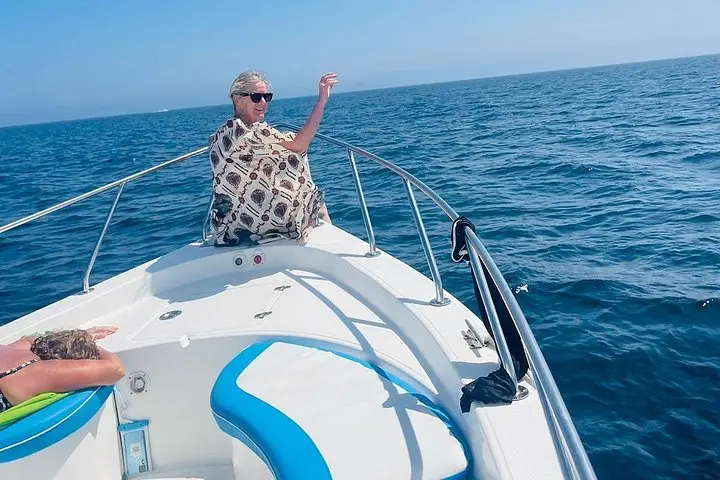
On a typical five-hour trip from Al Mouj Marina you get a 45–60 minute ride to the reserve, a short briefing, and multiple snorkeling stops. Guides set the tempo: point out likely dolphin and whale-shark corridors on the way out, then shepherd small groups into the water over fringing reefs. Expect to see green and hawksbill turtles grazing on seagrass, schools of fusiliers and parrotfish picking at coral, and the occasional black-tip reef shark cruising the drop-offs.
The trip is pragmatic as well as beautiful: snorkeling gear, fresh water, soft drinks and a light snack are provided, and kayaks or paddle boats may be available to explore quiet coves. From November through April guides often include a brief island walk when weather permits—a chance to spot nesting sites and read the swells that shape the shoreline.
Practicalities matter here. Mornings bring the calmest seas and the best visibility; sunscreen and a competent mask are worth bringing even though equipment is provided. Wear water shoes for moving on boat decks and use reef-safe sunscreen; do not touch coral or chase turtles. If you’re prone to seasickness, take medication the night before and again before departure—there’s no time to enjoy the water if you’re unwell.
Accessibility is notable: several operators run wheelchair-accessible boats and beaches are shallow in places, but getting in and out still requires balance. The trip suits confident swimmers and first-time snorkelers alike—guides pair weaker swimmers with flotation aids and stay close.
For photographers, a compact underwater camera or a phone in a waterproof case will capture the best moments—aim for early light and wide-angle shots of turtles against blue water. Whether you come for the reef, the wildlife, or the clean, bracing water, the Dimaniyat Islands deliver a short, concentrated encounter with an Arabian Sea that still moves on its own clock.
Expect roughly 45–60 minutes each way from Al Mouj Marina, depending on sea conditions and the exact island landing point.
Yes — masks, snorkels and fins are provided, along with life vests and flotation aids for less confident swimmers.
Children are usually welcome; operators set age limits for safety and require a supervising adult and life vest for younger guests.
You may see turtles at close range, but regulations and guides require you not to chase, touch, or feed wildlife—observe quietly and at a distance.
Some operators advertise wheelchair‑accessible boats and transfers; contact the supplier ahead of booking to confirm rigging and assistance details.
Early morning departures during the cooler season (November–April) typically offer the best visibility and calmer seas.
Oman Tour operates guided outdoor trips and adventures with an emphasis on safety, stewardship, and memorable experiences.
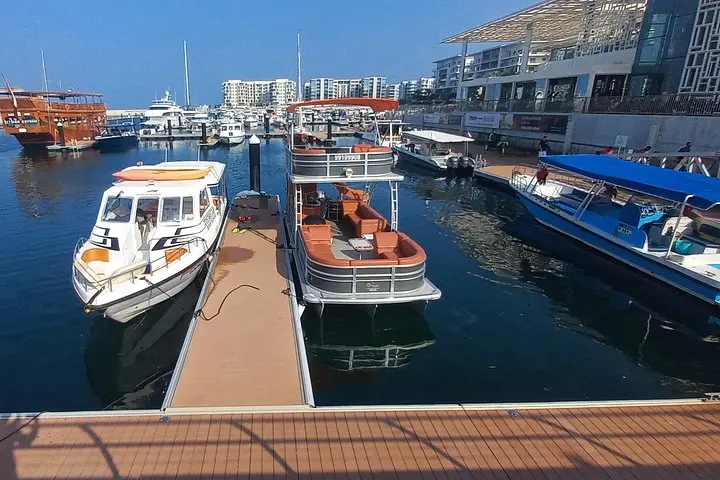
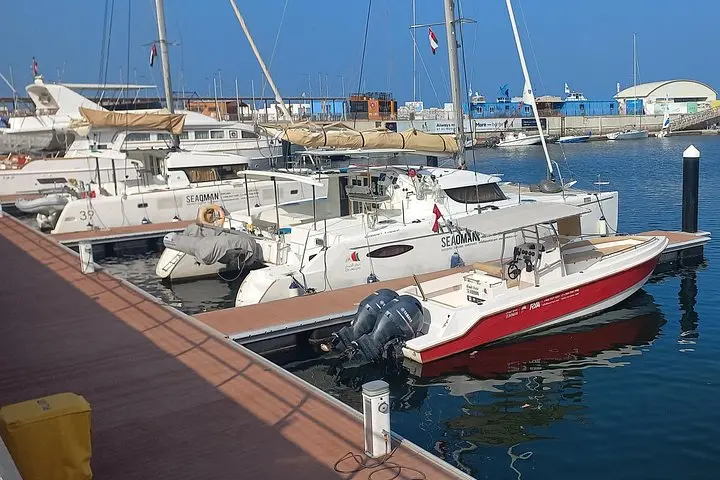
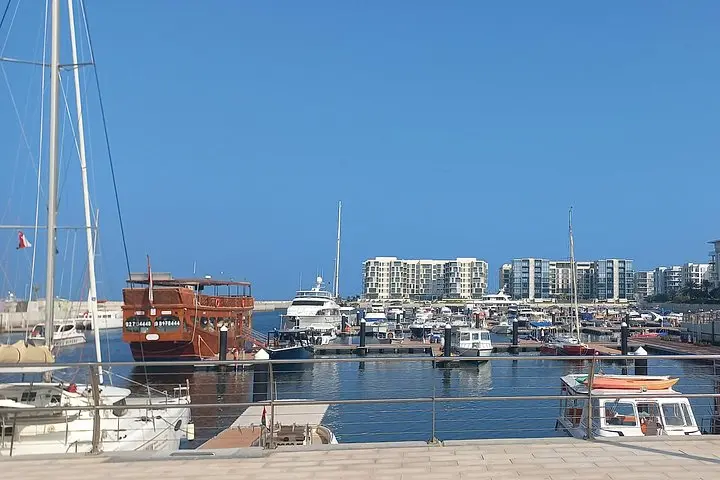
You step off the marina jetty and the harbor smells of diesel and salt; the boat rocks gently as the city falls away and the coastline becomes a low line of ochre cliffs. Within an hour the skyline of Muscat is a memory and the Daymaniyat (Dimaniyat) Islands rise from the Gulf of Oman: a cluster of rocky islets whose white beaches and turquoise shallows dare you to dive in.
You step off the marina jetty and the harbor smells of diesel and salt; the boat rocks gently as the city falls away and the coastline becomes a low line of ochre cliffs. Within an hour the skyline of Muscat is a memory and the Daymaniyat (Dimaniyat) Islands rise from the Gulf of Oman: a cluster of rocky islets whose white beaches and turquoise shallows dare you to dive in.
These islands are Oman’s most accessible marine reserve, declared to protect nesting turtle beaches and vibrant coral gardens. Geologically they’re a scatter of limestone outcrops shaped by wind and wave, their shallow reefs a living bookshelf of hard corals, finger sponges and the twisting branches that shelter reef fish. Culturally, the islands sit off a historic maritime route—local fishermen still tell of seasonal migrations and old trading paths that threaded these waters long before tourism arrived.
On a typical five-hour trip from Al Mouj Marina you get a 45–60 minute ride to the reserve, a short briefing, and multiple snorkeling stops. Guides set the tempo: point out likely dolphin and whale-shark corridors on the way out, then shepherd small groups into the water over fringing reefs. Expect to see green and hawksbill turtles grazing on seagrass, schools of fusiliers and parrotfish picking at coral, and the occasional black-tip reef shark cruising the drop-offs.
The trip is pragmatic as well as beautiful: snorkeling gear, fresh water, soft drinks and a light snack are provided, and kayaks or paddle boats may be available to explore quiet coves. From November through April guides often include a brief island walk when weather permits—a chance to spot nesting sites and read the swells that shape the shoreline.
Practicalities matter here. Mornings bring the calmest seas and the best visibility; sunscreen and a competent mask are worth bringing even though equipment is provided. Wear water shoes for moving on boat decks and use reef-safe sunscreen; do not touch coral or chase turtles. If you’re prone to seasickness, take medication the night before and again before departure—there’s no time to enjoy the water if you’re unwell.
Accessibility is notable: several operators run wheelchair-accessible boats and beaches are shallow in places, but getting in and out still requires balance. The trip suits confident swimmers and first-time snorkelers alike—guides pair weaker swimmers with flotation aids and stay close.
For photographers, a compact underwater camera or a phone in a waterproof case will capture the best moments—aim for early light and wide-angle shots of turtles against blue water. Whether you come for the reef, the wildlife, or the clean, bracing water, the Dimaniyat Islands deliver a short, concentrated encounter with an Arabian Sea that still moves on its own clock.