THE ADVENTURE COLLECTIVE® · Independent discovery and booking for outdoor travel

Float above shallow coral gardens and watch hawksbill and green turtles sweep by. This guided snorkeling outing from Hikkaduwa focuses on protected reef areas with clear water and brief swims ideal for beginners and experienced snorkelers alike.
Float above shallow coral gardens and watch hawksbill and green turtles sweep by. This guided snorkeling outing from Hikkaduwa focuses on protected reef areas with clear water and brief swims ideal for beginners and experienced snorkelers alike.
A warm wind strips salt from the sea as you step off the boat and peer into a shallow world of latticework coral. Light scours the reef into bright bands; fish wedge themselves into crevices while a turtle glides with deliberate curiosity, the current nudging you closer to the action.
Verified experiences and guided adventures in the surrounding area.
Operated by daytoursrilanka · Hikkaduwa, Southern Province
A warm wind strips salt from the sea as you step off the boat and peer into a shallow world of latticework coral. Light scours the reef into bright bands; fish wedge themselves into crevices while a turtle glides with deliberate curiosity, the current nudging you closer to the action.
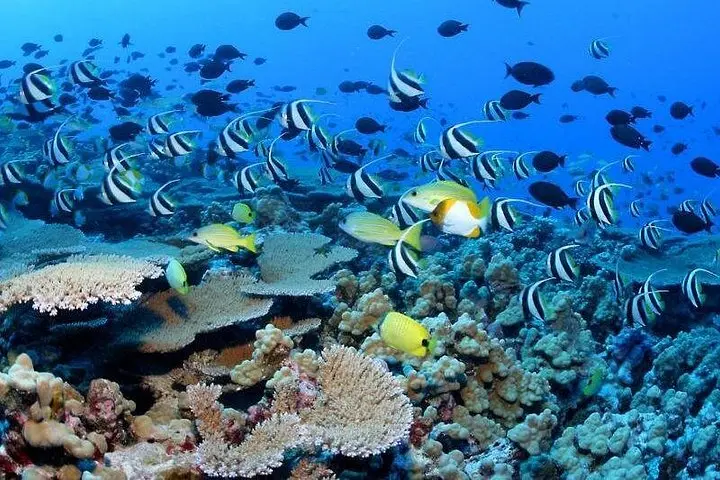
Hikkaduwa sits on Sri Lanka’s southwest coast, a stretch of volcanic-derived bedrock and coral growth that caught the attention of early conservationists in the late 20th century. Once a quiet fishing town, its reef has become a classroom in tropical marine ecology—brain corals, plate corals and finger corals building habitat for wrasse, parrotfish and sea turtles. Local culture still orbits the sea: boat crews, many second- or third-generation mariners, point out seasonal life and the best shallow gutters.
On the water the experience is immediate and practical. Expect shallow reefs 2–6 meters deep, moderate surface chop some days, and clear visibility best during the November–April window. Guides set short swims near protective reef edges; currents may nudge you along narrow channels, so basic snorkel control helps.
Practical tips: arrive with a well-fitting mask and fins, apply reef-safe sunscreen, and listen closely to the safety briefing—entry and exit points can be rocky. Wear a swim shirt for sun and abrasion protection, hydrate between swims, and keep a respectful distance from turtles and coral. The day is sensory and straightforward: controlled, observant movement rewards you with the reef’s quiet dramas without drama of your own.
The tour is suitable for most ages and fitness levels; it’s not recommended for children under 6 and requires basic comfort in the water.
Conditions are clearest and safest during the November–April season when seas are calmer and visibility improves.
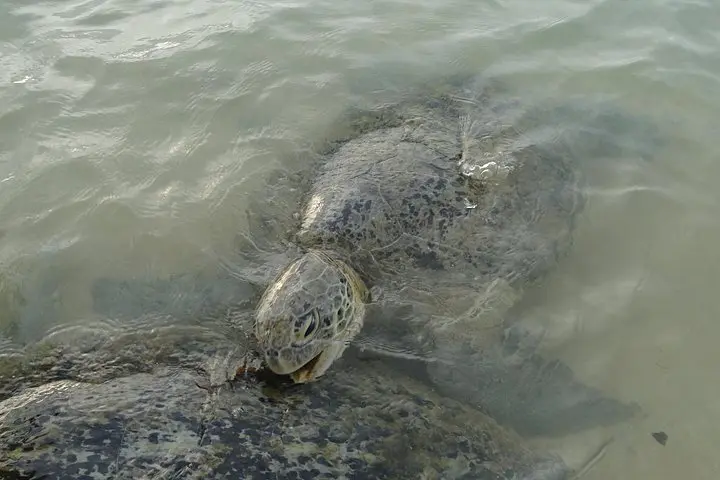
Yes—guided swims focus on shallow reef areas where green and hawksbill turtles and diverse hard and soft corals are commonly observed, though sightings cannot be guaranteed.
Do not touch or stand on coral, avoid feeding wildlife, and use reef-safe sunscreen; these practices protect fragile ecosystems and prevent fines in protected zones.
daytoursrilanka operates guided outdoor trips and adventures with an emphasis on safety, stewardship, and memorable experiences.
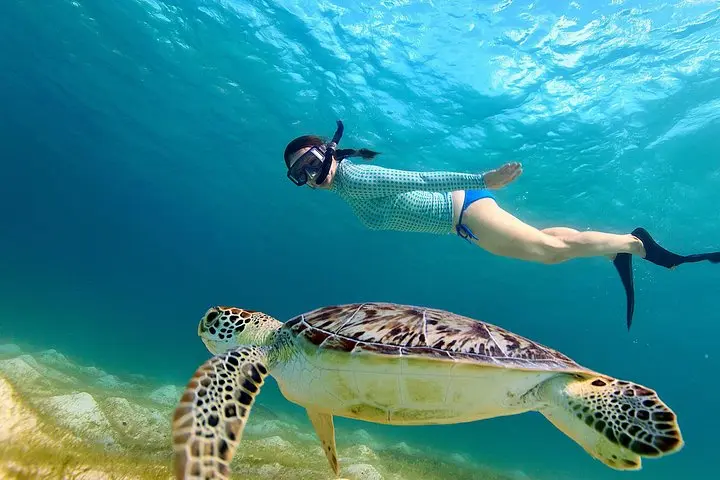
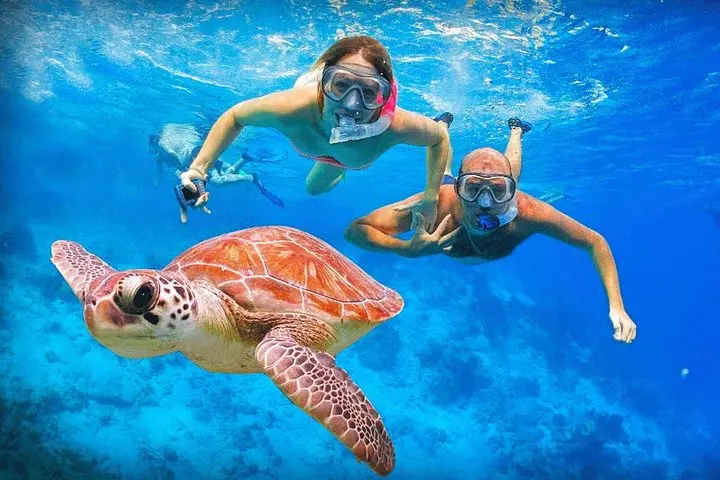
A warm wind strips salt from the sea as you step off the boat and peer into a shallow world of latticework coral. Light scours the reef into bright bands; fish wedge themselves into crevices while a turtle glides with deliberate curiosity, the current nudging you closer to the action.
A warm wind strips salt from the sea as you step off the boat and peer into a shallow world of latticework coral. Light scours the reef into bright bands; fish wedge themselves into crevices while a turtle glides with deliberate curiosity, the current nudging you closer to the action.
Hikkaduwa sits on Sri Lanka’s southwest coast, a stretch of volcanic-derived bedrock and coral growth that caught the attention of early conservationists in the late 20th century. Once a quiet fishing town, its reef has become a classroom in tropical marine ecology—brain corals, plate corals and finger corals building habitat for wrasse, parrotfish and sea turtles. Local culture still orbits the sea: boat crews, many second- or third-generation mariners, point out seasonal life and the best shallow gutters.
On the water the experience is immediate and practical. Expect shallow reefs 2–6 meters deep, moderate surface chop some days, and clear visibility best during the November–April window. Guides set short swims near protective reef edges; currents may nudge you along narrow channels, so basic snorkel control helps.
Practical tips: arrive with a well-fitting mask and fins, apply reef-safe sunscreen, and listen closely to the safety briefing—entry and exit points can be rocky. Wear a swim shirt for sun and abrasion protection, hydrate between swims, and keep a respectful distance from turtles and coral. The day is sensory and straightforward: controlled, observant movement rewards you with the reef’s quiet dramas without drama of your own.