THE ADVENTURE COLLECTIVE® · Independent discovery and booking for outdoor travel

A short hike from Redondo Beach leads to a secluded cove where kelp forests, garibaldi, and the chance to taste fresh uni await. This three-hour guided snorkel balances intimate wildlife viewing with practical safety and local marine rules.
A short hike from Redondo Beach leads to a secluded cove where kelp forests, garibaldi, and the chance to taste fresh uni await. This three-hour guided snorkel balances intimate wildlife viewing with practical safety and local marine rules.
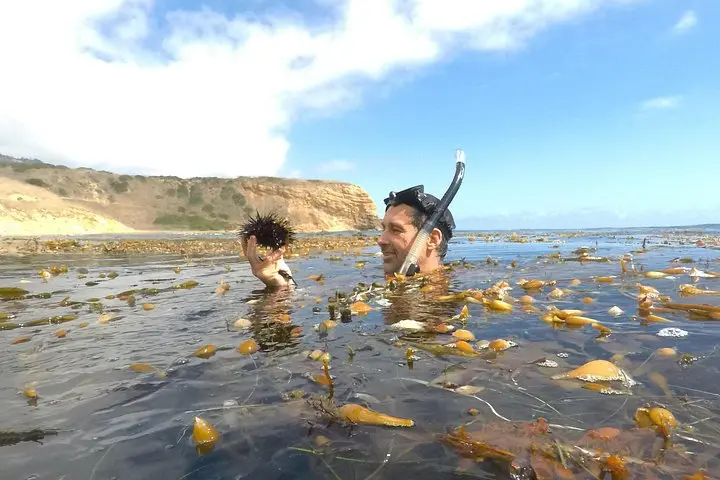
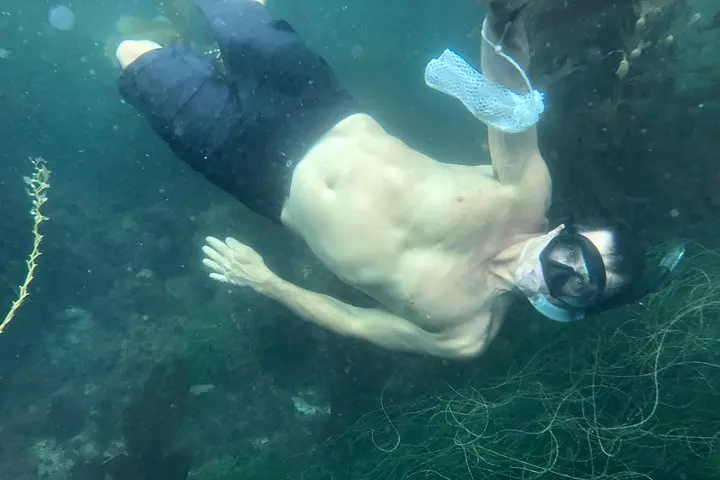
A wind-salted morning greets you as you hike down a narrow trail toward a low, rocky cove a short drive from Redondo Beach. The ocean opens in a cold, glassy swath; blades of kelp sway like columns in an underwater forest and a bright orange garibaldi patrols its rocky garden. The group gathers—masks and fins in hand, the guide checks equipment—and then the water closes over you, cool and immediate, the coastline receding into a muffled horizon.
Verified experiences and guided adventures in the surrounding area.
Operated by Custom California Adventures · Redondo Beach, California
A wind-salted morning greets you as you hike down a narrow trail toward a low, rocky cove a short drive from Redondo Beach. The ocean opens in a cold, glassy swath; blades of kelp sway like columns in an underwater forest and a bright orange garibaldi patrols its rocky garden. The group gathers—masks and fins in hand, the guide checks equipment—and then the water closes over you, cool and immediate, the coastline receding into a muffled horizon.
This stretch of the Palos Verdes–Redondo coastline is young on a geological scale: uplifted sedimentary bluffs carved by winter storms. The sheltered pockets and rocky reefs here support dense kelp beds—giant Macrocystis that rise from the seafloor and form habitats for garibaldi, kelp bass, and a tangle of invertebrates. Human history is visible in small ways: old quarry cuts in the cliffs, and a maritime culture that has long fished and foraged these coves. Local guides often discuss regulations and tradition because collecting shellfish or urchins in California is tightly managed—any on-trip harvesting is done under permit and in line with state rules.
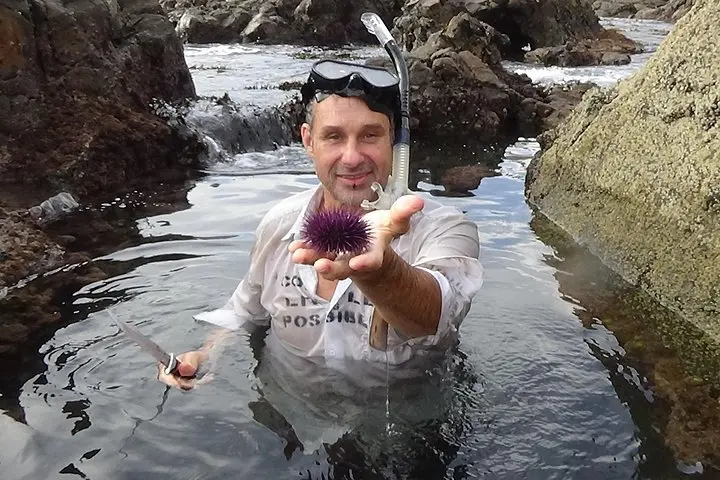
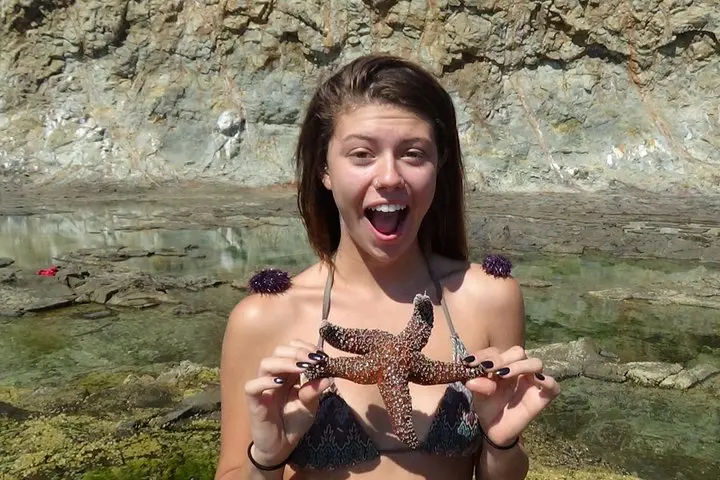
Underwater, visibility varies—on calm days you’ll get 10–30 feet. The kelp moves with current like cathedral curtains and sea urchins cling to crevices, their purple spines a common sight. If the guide offers a taste of fresh uni, consider it part of a practiced, legal foraging tradition carried out by knowledgeable leaders.
Practicalities matter here. The full experience runs about three hours: a moderate hike down to the cove, roughly 60–90 minutes in the water, then the climb back. Trails are uneven with loose rock; expect short stair-like sections and a modest elevation change. Water temperatures are typically in the mid-50s to mid-60s°F depending on season—wetsuits are recommended outside of the warmest summer days. Group size is small, with a maximum of eight, so the outing feels intimate but the guide sets a steady pace and keeps safety central.
To get the most from the day, aim for mornings when swell and wind are lowest; midafternoon sea breezes can reduce surface calm and visibility. Bring a snorkel vest if you want extra flotation, and a waterproof bag for your phone and keys. This trip trades the crowds of a city beach for close-up encounters with a living coastal ecosystem—an accessible, anchored way to see Southern California’s underwater life without leaving the Los Angeles basin.
No—basic snorkeling skills help, but the guide briefs everyone and stays nearby; new snorkelers are welcome with reasonable fitness.
Any harvesting is performed by the guide under applicable regulations and only when permitted—state rules prohibit unpermitted taking of many marine species.
Wear a swimsuit under a wetsuit, a hat and sun protection for surface time, and water-friendly shoes for the trail and rocky shore.
Typically mid-50s to mid-60s°F; a wetsuit is recommended outside peak summer months for comfort and safety.
The meeting area is gated but accessible by car; follow host instructions and arrive early—there may be a short walk from parking to the trailhead.
Families may be welcome but infants must sit on laps per operator rules; check age or height restrictions with the operator when booking.
Custom California Adventures operates guided outdoor trips and adventures with an emphasis on safety, stewardship, and memorable experiences.
A wind-salted morning greets you as you hike down a narrow trail toward a low, rocky cove a short drive from Redondo Beach. The ocean opens in a cold, glassy swath; blades of kelp sway like columns in an underwater forest and a bright orange garibaldi patrols its rocky garden. The group gathers—masks and fins in hand, the guide checks equipment—and then the water closes over you, cool and immediate, the coastline receding into a muffled horizon.
A wind-salted morning greets you as you hike down a narrow trail toward a low, rocky cove a short drive from Redondo Beach. The ocean opens in a cold, glassy swath; blades of kelp sway like columns in an underwater forest and a bright orange garibaldi patrols its rocky garden. The group gathers—masks and fins in hand, the guide checks equipment—and then the water closes over you, cool and immediate, the coastline receding into a muffled horizon.
This stretch of the Palos Verdes–Redondo coastline is young on a geological scale: uplifted sedimentary bluffs carved by winter storms. The sheltered pockets and rocky reefs here support dense kelp beds—giant Macrocystis that rise from the seafloor and form habitats for garibaldi, kelp bass, and a tangle of invertebrates. Human history is visible in small ways: old quarry cuts in the cliffs, and a maritime culture that has long fished and foraged these coves. Local guides often discuss regulations and tradition because collecting shellfish or urchins in California is tightly managed—any on-trip harvesting is done under permit and in line with state rules.
Underwater, visibility varies—on calm days you’ll get 10–30 feet. The kelp moves with current like cathedral curtains and sea urchins cling to crevices, their purple spines a common sight. If the guide offers a taste of fresh uni, consider it part of a practiced, legal foraging tradition carried out by knowledgeable leaders.
Practicalities matter here. The full experience runs about three hours: a moderate hike down to the cove, roughly 60–90 minutes in the water, then the climb back. Trails are uneven with loose rock; expect short stair-like sections and a modest elevation change. Water temperatures are typically in the mid-50s to mid-60s°F depending on season—wetsuits are recommended outside of the warmest summer days. Group size is small, with a maximum of eight, so the outing feels intimate but the guide sets a steady pace and keeps safety central.
To get the most from the day, aim for mornings when swell and wind are lowest; midafternoon sea breezes can reduce surface calm and visibility. Bring a snorkel vest if you want extra flotation, and a waterproof bag for your phone and keys. This trip trades the crowds of a city beach for close-up encounters with a living coastal ecosystem—an accessible, anchored way to see Southern California’s underwater life without leaving the Los Angeles basin.