THE ADVENTURE COLLECTIVE® · Independent discovery and booking for outdoor travel

Join a marine biologist for a small-group snorkel at Los Arcos—rocky islets off Mismaloya—where shallow reefs, schooling fish, and protected channels make for a concise, wildlife-rich half-day on the water.
Join a marine biologist for a small-group snorkel at Los Arcos—rocky islets off Mismaloya—where shallow reefs, schooling fish, and protected channels make for a concise, wildlife-rich half-day on the water.
The boat eases away from the marina and the shoreline shrinks, heat and city noise trading places with wind and a steady blue that seems to go on forever. Los Arcos—three volcanic granite islets pushed up from the seabed—come into view as stony figures rising from the bay, their narrow channels and underwater ledges drawing fish and divers alike. A marine biologist leads the group, pointing out feeding behaviors and coral formations while the current teases you toward patches of bright reef.
Verified experiences and guided adventures in the surrounding area.
Operated by Vallarta Natours · Puerto Vallarta, Jalisco
The boat eases away from the marina and the shoreline shrinks, heat and city noise trading places with wind and a steady blue that seems to go on forever. Los Arcos—three volcanic granite islets pushed up from the seabed—come into view as stony figures rising from the bay, their narrow channels and underwater ledges drawing fish and divers alike. A marine biologist leads the group, pointing out feeding behaviors and coral formations while the current teases you toward patches of bright reef.
Geology here is simple and direct: lava and tuff fractured by the Pacific, sculpted into arches and channels that create sheltered pools and surge corridors. Culturally, the bay around Mismaloya earned international attention when films brought stars ashore in the 1960s; today, fishermen and tour operators still read the same tides and winds their grandparents did.
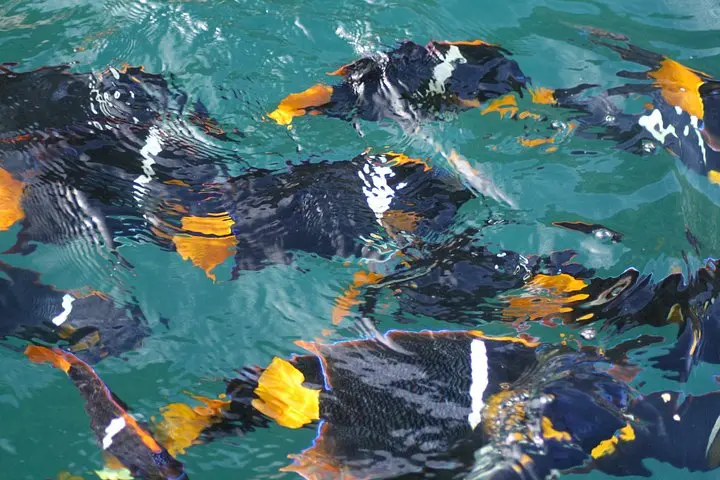
Expect shallow reefs, fingers of rock, and clear visibility on calm days; brown pelicans and schooling sergeant majors are common surface sights, while quieter coves sometimes reveal turtles or rays below. Guides follow marine park rules—no touching coral, minimal anchoring in sensitive zones—to protect the ecosystem.
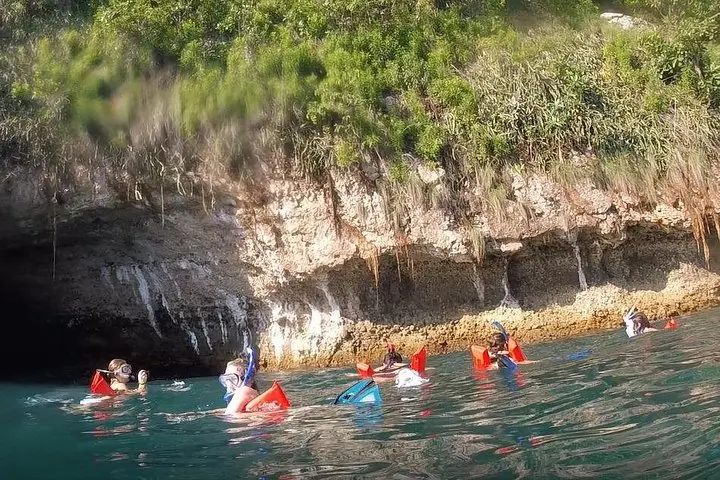
Practical guidance: arrive hydrated and sun-protected, wear a snug mask and short fins, and plan for a half-day (about four hours) with time for two snorkel stops. If you’re prone to seasickness, take preventative measures before boarding. Guides supply snorkel gear, bottled water, and snacks; bring a biodegradable sunscreen, a towel, and a light cover-up for the ride back. Morning trips usually mean flatter seas and better visibility; afternoons can kick up more wind. With basic swimming ability and moderate fitness, this short excursion is an accessible way to meet the Pacific’s reef life with an expert by your side.
No—basic snorkeling skills and comfort in the water are sufficient; the guide gives a safety briefing and assists in the water.
Yes, snorkel equipment is provided for all participants, although some guests prefer to bring a personal mask for fit and fog control.
Children can join but must be accompanied by an adult; child rates apply when sharing with two paying adults and ID may be required.
Trips may be canceled for safety or insufficient participants; in that case you’ll be offered an alternative date or a full refund.
Vallarta Natours operates guided outdoor trips and adventures with an emphasis on safety, stewardship, and memorable experiences.
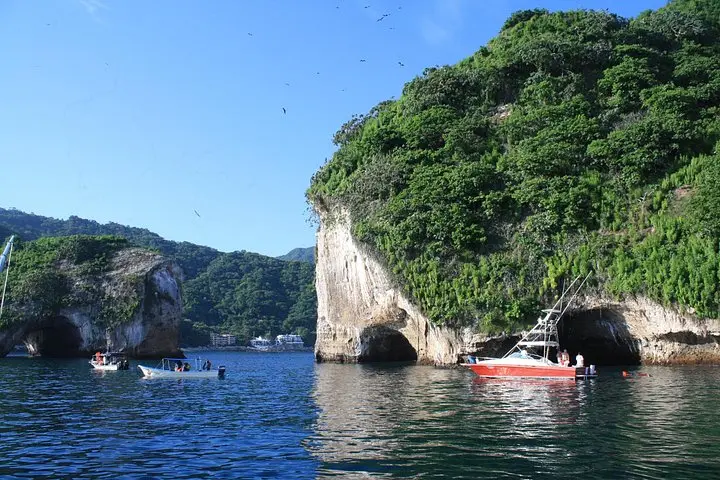
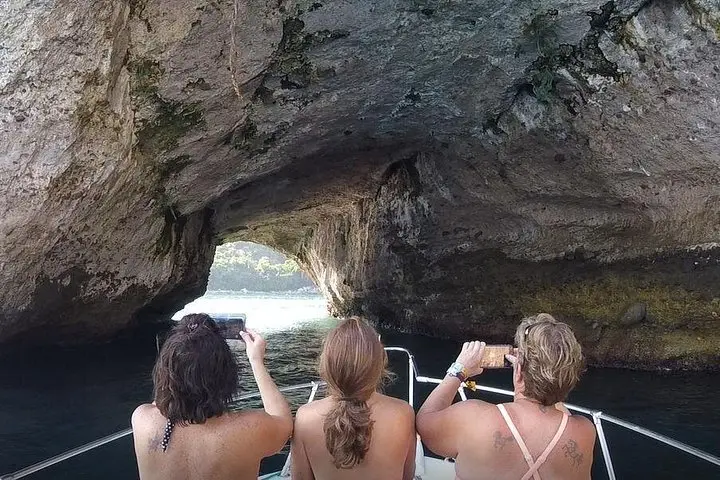
The boat eases away from the marina and the shoreline shrinks, heat and city noise trading places with wind and a steady blue that seems to go on forever. Los Arcos—three volcanic granite islets pushed up from the seabed—come into view as stony figures rising from the bay, their narrow channels and underwater ledges drawing fish and divers alike. A marine biologist leads the group, pointing out feeding behaviors and coral formations while the current teases you toward patches of bright reef.
The boat eases away from the marina and the shoreline shrinks, heat and city noise trading places with wind and a steady blue that seems to go on forever. Los Arcos—three volcanic granite islets pushed up from the seabed—come into view as stony figures rising from the bay, their narrow channels and underwater ledges drawing fish and divers alike. A marine biologist leads the group, pointing out feeding behaviors and coral formations while the current teases you toward patches of bright reef.
Geology here is simple and direct: lava and tuff fractured by the Pacific, sculpted into arches and channels that create sheltered pools and surge corridors. Culturally, the bay around Mismaloya earned international attention when films brought stars ashore in the 1960s; today, fishermen and tour operators still read the same tides and winds their grandparents did.
Expect shallow reefs, fingers of rock, and clear visibility on calm days; brown pelicans and schooling sergeant majors are common surface sights, while quieter coves sometimes reveal turtles or rays below. Guides follow marine park rules—no touching coral, minimal anchoring in sensitive zones—to protect the ecosystem.
Practical guidance: arrive hydrated and sun-protected, wear a snug mask and short fins, and plan for a half-day (about four hours) with time for two snorkel stops. If you’re prone to seasickness, take preventative measures before boarding. Guides supply snorkel gear, bottled water, and snacks; bring a biodegradable sunscreen, a towel, and a light cover-up for the ride back. Morning trips usually mean flatter seas and better visibility; afternoons can kick up more wind. With basic swimming ability and moderate fitness, this short excursion is an accessible way to meet the Pacific’s reef life with an expert by your side.