THE ADVENTURE COLLECTIVE® · Independent discovery and booking for outdoor travel

Board an early speedboat from Sanur and spend a morning snorkeling three of Nusa Penida’s marine hotspots—Crystal Bay, Gamat Bay and Manta Bay—where manta rays and steep coral walls dominate the seascape. This practical guide outlines what to expect, how to prepare, and how to make the most of the trip.
Board an early speedboat from Sanur and spend a morning snorkeling three of Nusa Penida’s marine hotspots—Crystal Bay, Gamat Bay and Manta Bay—where manta rays and steep coral walls dominate the seascape. This practical guide outlines what to expect, how to prepare, and how to make the most of the trip.
Dawn breaks over Sanur as the speedboat slips past sunrise-silver waves toward Nusa Penida, the island’s limestone cliffs sharpening out of the sea like a map of deep water channels. You step onto a small boat with masks and fins ready, and the ocean, wide and impatient, dares you toward manta cleaning stations and pale coral walls.
Verified experiences and guided adventures in the surrounding area.
Operated by Bali View Tours · Nusa Penida, Bali
Dawn breaks over Sanur as the speedboat slips past sunrise-silver waves toward Nusa Penida, the island’s limestone cliffs sharpening out of the sea like a map of deep water channels. You step onto a small boat with masks and fins ready, and the ocean, wide and impatient, dares you toward manta cleaning stations and pale coral walls.
Nusa Penida sits off Bali’s southeast coast, formed by volcanic uplift and coral growth; its steep reefs and nutrient-rich currents create pockets of life where manta rays and reef fish gather. The island’s villages reflect Balinese coastal culture—sea-based livelihoods, Hindu shrines at headlands, and boatmen who read tides the way farmers read soil.
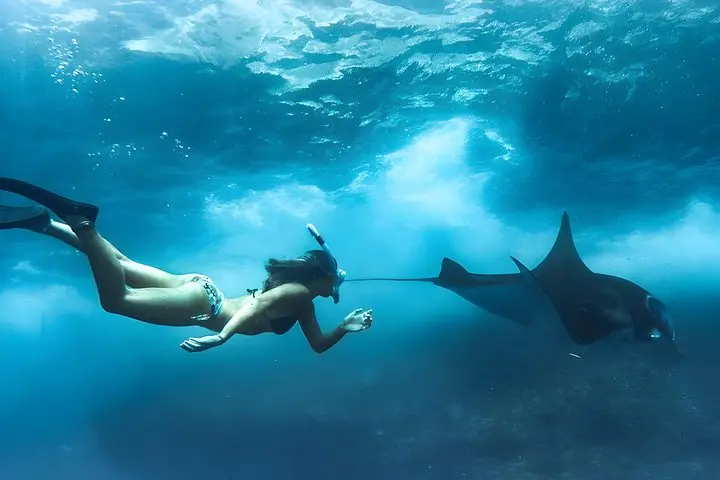
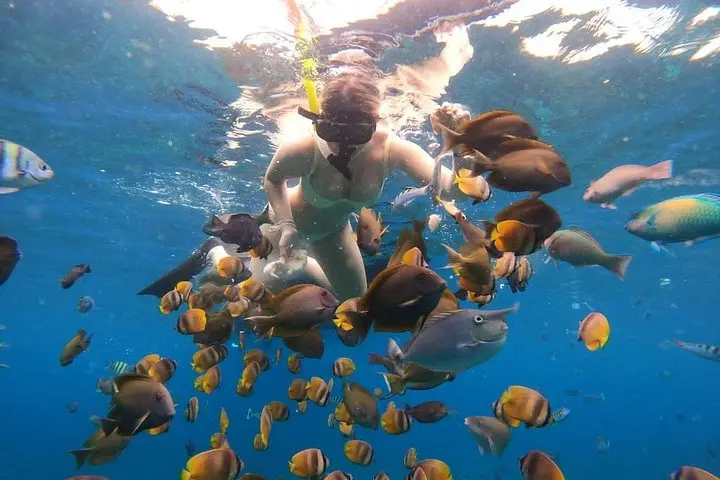
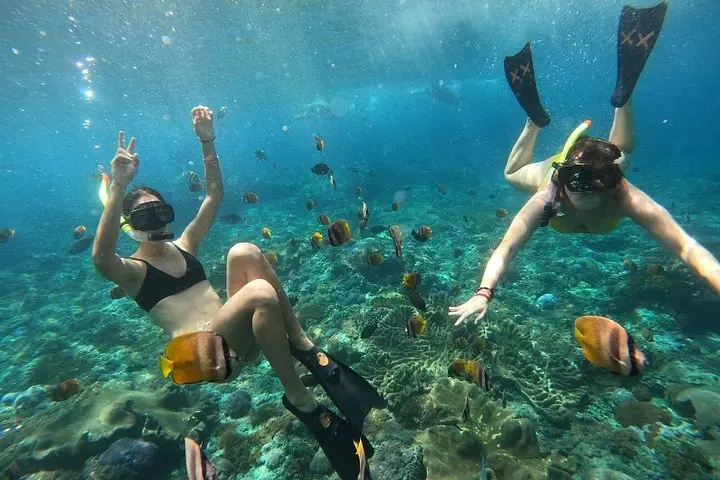
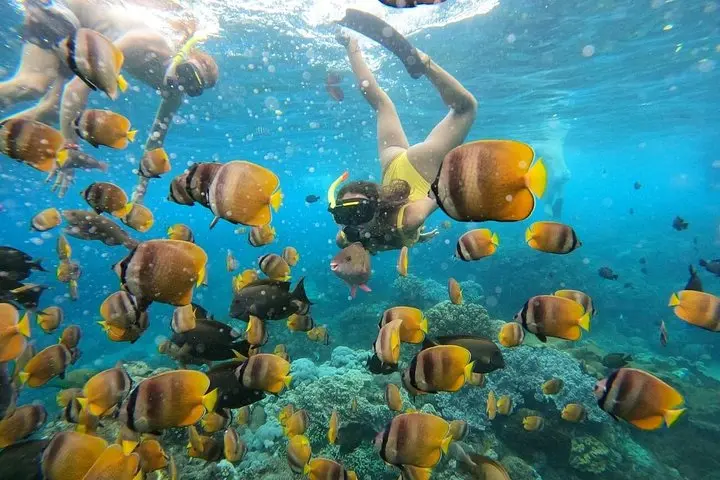
On this typical half-day tour you’ll visit three snorkeling sites—often Crystal Bay or Wall Point, Gamat Bay, and Manta Bay—sharing short swims from a local boat. Expect surge and variable visibility (10–25 m on good days), shallow coral gardens and deeper drop-offs where mantas feed or get cleaned. Boat-to-reef transitions are often on ladders or assisted entries; guides brief on safe distances for rays and coral protection.
Practical edge: bring a well-fitted mask and reef-safe sunscreen, time your visit for calm seas (mornings are best), and be honest about your swim fitness—currents can pull even experienced snorkelers. Respect local guides and marine rules: mantas are protected, and minimal contact keeps both wildlife and reefs healthy. With basic preparation, a morning here is a direct, tactile encounter with one of the region’s most magnetic marine spectacles.
Sightings are common at Manta Bay but not guaranteed; mantas are wild animals and visits depend on currents and time of year.
Most tours include hotel pickup and return within the Seminyak–Sanur area—confirm your pickup point at booking.
Yes—basic snorkel gear and bottled water are usually provided, though many travelers bring their own mask for fit and hygiene.
Not recommended—participants should be able to swim and handle short surface swims; operators may offer flotation vests but safety depends on basic swimming ability.
Bali View Tours operates guided outdoor trips and adventures with an emphasis on safety, stewardship, and memorable experiences.
Dawn breaks over Sanur as the speedboat slips past sunrise-silver waves toward Nusa Penida, the island’s limestone cliffs sharpening out of the sea like a map of deep water channels. You step onto a small boat with masks and fins ready, and the ocean, wide and impatient, dares you toward manta cleaning stations and pale coral walls.
Dawn breaks over Sanur as the speedboat slips past sunrise-silver waves toward Nusa Penida, the island’s limestone cliffs sharpening out of the sea like a map of deep water channels. You step onto a small boat with masks and fins ready, and the ocean, wide and impatient, dares you toward manta cleaning stations and pale coral walls.
Nusa Penida sits off Bali’s southeast coast, formed by volcanic uplift and coral growth; its steep reefs and nutrient-rich currents create pockets of life where manta rays and reef fish gather. The island’s villages reflect Balinese coastal culture—sea-based livelihoods, Hindu shrines at headlands, and boatmen who read tides the way farmers read soil.
On this typical half-day tour you’ll visit three snorkeling sites—often Crystal Bay or Wall Point, Gamat Bay, and Manta Bay—sharing short swims from a local boat. Expect surge and variable visibility (10–25 m on good days), shallow coral gardens and deeper drop-offs where mantas feed or get cleaned. Boat-to-reef transitions are often on ladders or assisted entries; guides brief on safe distances for rays and coral protection.
Practical edge: bring a well-fitted mask and reef-safe sunscreen, time your visit for calm seas (mornings are best), and be honest about your swim fitness—currents can pull even experienced snorkelers. Respect local guides and marine rules: mantas are protected, and minimal contact keeps both wildlife and reefs healthy. With basic preparation, a morning here is a direct, tactile encounter with one of the region’s most magnetic marine spectacles.