THE ADVENTURE COLLECTIVE® · Independent discovery and booking for outdoor travel

Float over coral gardens just off Nilaveli and watch parrotfish, damselfish, and hawksbill turtles pass beneath. This three-hour boat-and-snorkel trip to Pigeon Island National Park is an accessible, wildlife-rich introduction to Sri Lanka's reef habitats.
Float over coral gardens just off Nilaveli and watch parrotfish, damselfish, and hawksbill turtles pass beneath. This three-hour boat-and-snorkel trip to Pigeon Island National Park is an accessible, wildlife-rich introduction to Sri Lanka's reef habitats.
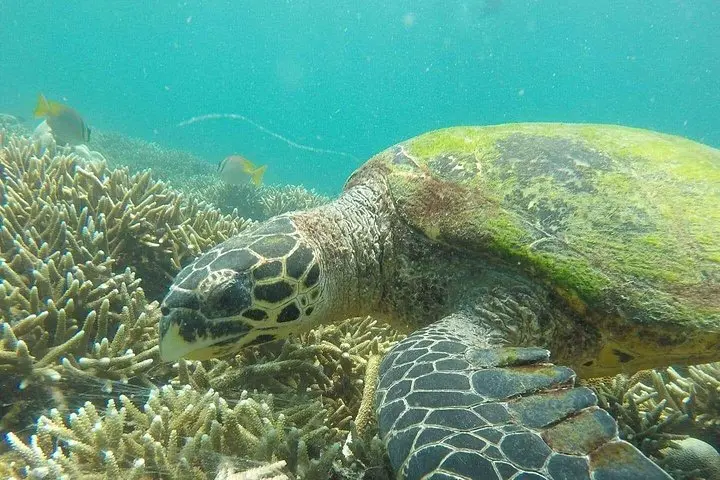
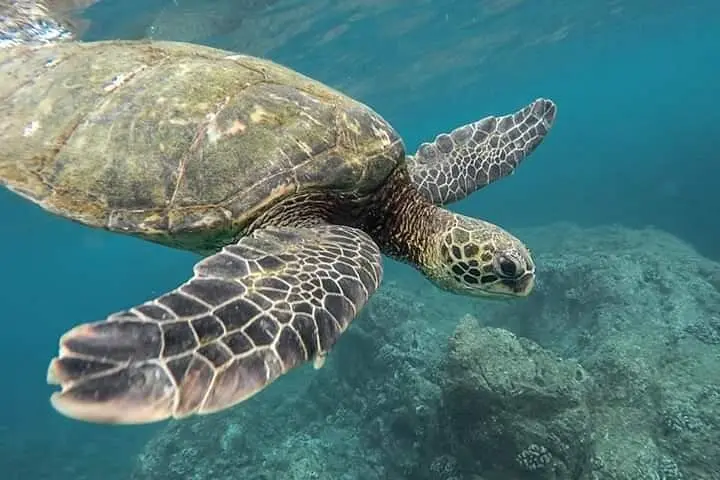
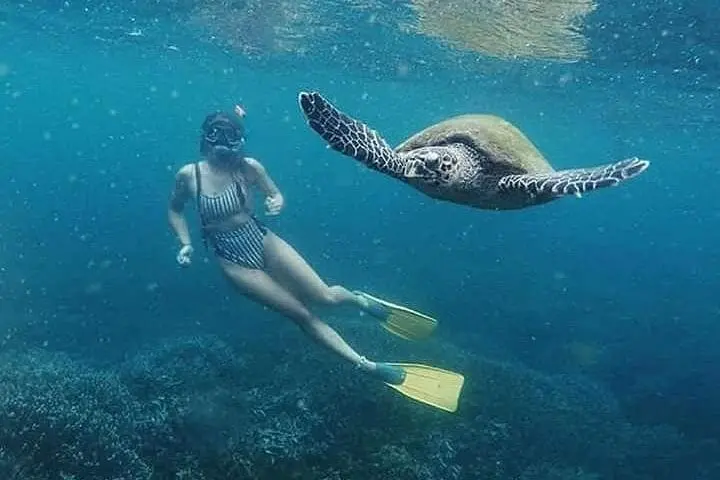
The sea is a cool plate of glass and then, suddenly, a moving world. From the small launch you watch the shoreline of Nilaveli slide away—fishermen working nets, a lone temple spire—and the cobalt deepens until the reef appears like a stained-glass floor beneath your feet. Suit on, mask sealed, you push off and let the current decide the pace: parrotfish nibble at coral walls, damselfish flash like confetti, and a hawksbill turtle glides with deliberate patience.
Verified experiences and guided adventures in the surrounding area.
Operated by Pigeon Island National Park · Nilaveli, Eastern Province
The sea is a cool plate of glass and then, suddenly, a moving world. From the small launch you watch the shoreline of Nilaveli slide away—fishermen working nets, a lone temple spire—and the cobalt deepens until the reef appears like a stained-glass floor beneath your feet. Suit on, mask sealed, you push off and let the current decide the pace: parrotfish nibble at coral walls, damselfish flash like confetti, and a hawksbill turtle glides with deliberate patience.
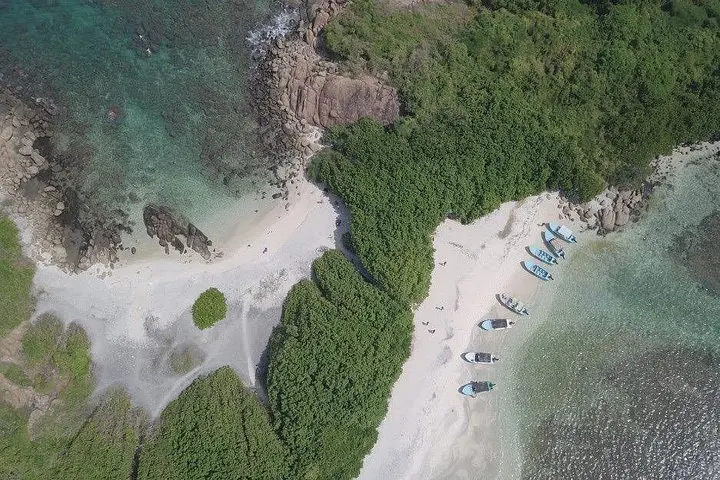
Pigeon Island sits roughly three kilometers off Nilaveli and has been a protected pocket of reef since Sri Lanka designated it a national park in 2003. Geologically it's a ridge of ancient reef and volcanic debris that survived sea-level shifts and now supports pockets of hard and soft corals. The island earned its English name from colonial-era pigeon hunting—today those birds are gone, replaced by an ecology centered on coral, fish, and a few resilient rays.
The local culture of Trincomalee’s coast is a working one: Tamil and Muslim fishing families, small eateries selling freshly fried cuttlefish, and a history of maritime trade that dates to the Chola and Portuguese eras. Guides from the beach will tell stories of wartime evacuations and modern conservation efforts; they also remind visitors why rules exist—sunscreen and hands can harm coral faster than storms.
Practical detail: the trip runs about three hours total—boat transfer to and from the island plus roughly two to three hours at the site depending on tides and group size. Entrance fee to Pigeon Island National Park is extra and paid at the meeting point. Snorkeling equipment is supplied with booking, but a dedicated guide is an additional charge and required for non-swimmers.
Expect shallow reef zones with calm patches ideal for beginners and deeper ledges where more curious species gather. Water clarity is usually best in the morning; afternoons can bring haze and stronger currents. Wildlife highlights include banded coral shrimp, delicate-lined sweetlips, and, on quieter days, green turtles or a timid reef shark.
Timing and packing matter: wear a reef-safe sunscreen or a long-sleeve rash guard, bring a dry bag for phones, and hydrate—tropical sun and saltwater dehydrate faster than you think. If you’re not a confident swimmer or want a richer experience, hire a local guide at the start; they point out hidden crevices and help with buoyancy so you can watch the reef rather than worry about breathing.
This is a gentle, immediate way to encounter Sri Lanka’s underwater life—no certification required, but respect for the reef is non-negotiable. Come prepared, move slowly, and let the ocean show you why that bright heat beneath the surface matters.
No — the trip is suitable for all fitness levels, but non-swimmers should hire a guide for safety and assistance.
No — the Pigeon Island National Park entrance fee is paid separately at the meeting point in local currency or by card with a surcharge.
Common sights include parrotfish, damselfish, sweetlips, butterflyfish, and occasionally turtles, rays, or blacktip reef sharks.
Yes — basic masks, snorkels, and fins are included with the booking; feel free to bring personal gear for fit and comfort.
Morning trips generally offer the clearest water and calmer currents; avoid rough weather when the operator cancels for safety.
Children can join if they are comfortable in water; operators may require a guide or life jacket for young or inexperienced swimmers.
Pigeon Island National Park operates guided outdoor trips and adventures with an emphasis on safety, stewardship, and memorable experiences.
The sea is a cool plate of glass and then, suddenly, a moving world. From the small launch you watch the shoreline of Nilaveli slide away—fishermen working nets, a lone temple spire—and the cobalt deepens until the reef appears like a stained-glass floor beneath your feet. Suit on, mask sealed, you push off and let the current decide the pace: parrotfish nibble at coral walls, damselfish flash like confetti, and a hawksbill turtle glides with deliberate patience.
The sea is a cool plate of glass and then, suddenly, a moving world. From the small launch you watch the shoreline of Nilaveli slide away—fishermen working nets, a lone temple spire—and the cobalt deepens until the reef appears like a stained-glass floor beneath your feet. Suit on, mask sealed, you push off and let the current decide the pace: parrotfish nibble at coral walls, damselfish flash like confetti, and a hawksbill turtle glides with deliberate patience.
Pigeon Island sits roughly three kilometers off Nilaveli and has been a protected pocket of reef since Sri Lanka designated it a national park in 2003. Geologically it's a ridge of ancient reef and volcanic debris that survived sea-level shifts and now supports pockets of hard and soft corals. The island earned its English name from colonial-era pigeon hunting—today those birds are gone, replaced by an ecology centered on coral, fish, and a few resilient rays.
The local culture of Trincomalee’s coast is a working one: Tamil and Muslim fishing families, small eateries selling freshly fried cuttlefish, and a history of maritime trade that dates to the Chola and Portuguese eras. Guides from the beach will tell stories of wartime evacuations and modern conservation efforts; they also remind visitors why rules exist—sunscreen and hands can harm coral faster than storms.
Practical detail: the trip runs about three hours total—boat transfer to and from the island plus roughly two to three hours at the site depending on tides and group size. Entrance fee to Pigeon Island National Park is extra and paid at the meeting point. Snorkeling equipment is supplied with booking, but a dedicated guide is an additional charge and required for non-swimmers.
Expect shallow reef zones with calm patches ideal for beginners and deeper ledges where more curious species gather. Water clarity is usually best in the morning; afternoons can bring haze and stronger currents. Wildlife highlights include banded coral shrimp, delicate-lined sweetlips, and, on quieter days, green turtles or a timid reef shark.
Timing and packing matter: wear a reef-safe sunscreen or a long-sleeve rash guard, bring a dry bag for phones, and hydrate—tropical sun and saltwater dehydrate faster than you think. If you’re not a confident swimmer or want a richer experience, hire a local guide at the start; they point out hidden crevices and help with buoyancy so you can watch the reef rather than worry about breathing.
This is a gentle, immediate way to encounter Sri Lanka’s underwater life—no certification required, but respect for the reef is non-negotiable. Come prepared, move slowly, and let the ocean show you why that bright heat beneath the surface matters.