THE ADVENTURE COLLECTIVE® · Independent discovery and booking for outdoor travel

Float above Posidonia beds, glide over rocky reefs and spot starfish in the Plemmirio Marine Protected Area outside Syracuse. This guided dinghy snorkel is an accessible, supervised way to experience Sicily’s clear coastal waters and maritime history.
Float above Posidonia beds, glide over rocky reefs and spot starfish in the Plemmirio Marine Protected Area outside Syracuse. This guided dinghy snorkel is an accessible, supervised way to experience Sicily’s clear coastal waters and maritime history.
You step off the dinghy into water so clear the seabed reads like a map. The Mediterranean here around Plemmirio trims the eastern flank of Syracuse with rocky coves that drop into seagrass meadows and stone reefs; masks fog, then clear, and small shoals of fish scatter like punctuation. In an hour in the water you drift over starfish, inspect hedges of Posidonia that ripple with each passing current, and peer at dark crevices where moray eels and blennies lurk.
Verified experiences and guided adventures in the surrounding area.
Operated by Sicily in Travel · Syracuse, Sicily
You step off the dinghy into water so clear the seabed reads like a map. The Mediterranean here around Plemmirio trims the eastern flank of Syracuse with rocky coves that drop into seagrass meadows and stone reefs; masks fog, then clear, and small shoals of fish scatter like punctuation. In an hour in the water you drift over starfish, inspect hedges of Posidonia that ripple with each passing current, and peer at dark crevices where moray eels and blennies lurk.
The Plemmirio Marine Protected Area was designated to ward off overfishing and safeguard underwater archaeology. Off this stretch of Sicily, civilizations have come and gone—Greek and Roman sailors anchored in the same bays where you’ll float. The coastline shows the hard, ancient geology of limestones and volcanic intrusions carved by sea and time; the result is steep coastal benches, submerged ledges and cavities that concentrate marine life.
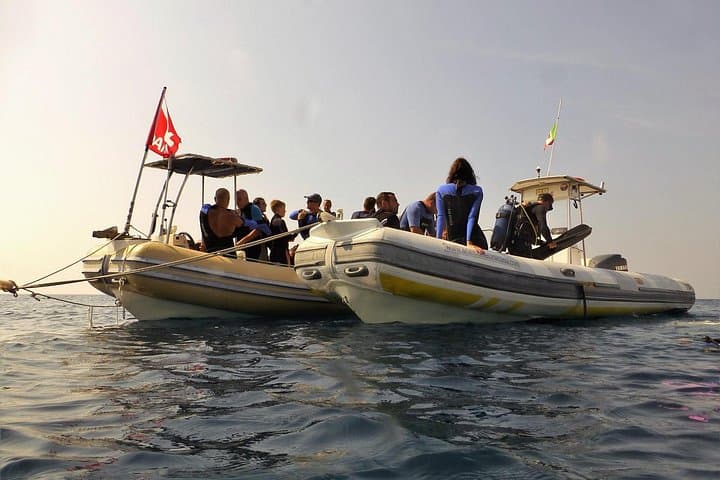
Local instructors—trained and familiar with the small coves—lead short land briefings before you board. The operator provides masks, snorkels and often wetsuits for cooler months; a dinghy deposits you at shallow sites chosen for visibility, current and underwater interest. The protected status means you’ll sometimes see metal markers for archaeological sites and will be reminded not to interfere with fragile habitats or artifacts.
Practical edge: the advertised 2-hour outing includes time for preparation and boat transfer; expect roughly 60 minutes in the water. Mornings are calmer—less wind, softer light, and better surface visibility—while late afternoon can tint the limestone gold. Wear reef-safe sunscreen and a light top; a shorty wetsuit helps in spring and fall when water is brisk. Bring a towel, a biodegradable snack and a water bottle; operators usually ask you to contact them for the exact meeting point in Syracuse.
What this experience offers is accessible marine immersion—not technical diving but close encounters with coastal Mediterranean ecology and a taste of Syracuse’s maritime past. For families and first-time snorkelers it’s an easy, supervised way to explore a protected seascape. For photographers, shooting from the dinghy and then underwater (if you have a housing) will reward you with sharp colors and interesting textures. Most importantly, remember to keep buoyancy gentle and hands off: conservation is part of the adventure here.
The tour lasts about two hours total; expect roughly 45–60 minutes of snorkeling with the rest for briefing and boat transfer.
You should be comfortable in the water and able to float; life vests are typically available for less-confident swimmers.
Yes—mask, snorkel and often a wetsuit; ask the operator if you prefer to use your own gear.
Yes—this activity is family-friendly, but minors should be supervised and follow the instructor’s guidance.
Briefings are usually in Italian and English; confirm with the operator if you need another language.
Trips are cancellable for bad weather; you’re eligible for a full refund if canceled at least 24 hours before departure.
Sicily in Travel operates guided outdoor trips and adventures with an emphasis on safety, stewardship, and memorable experiences.
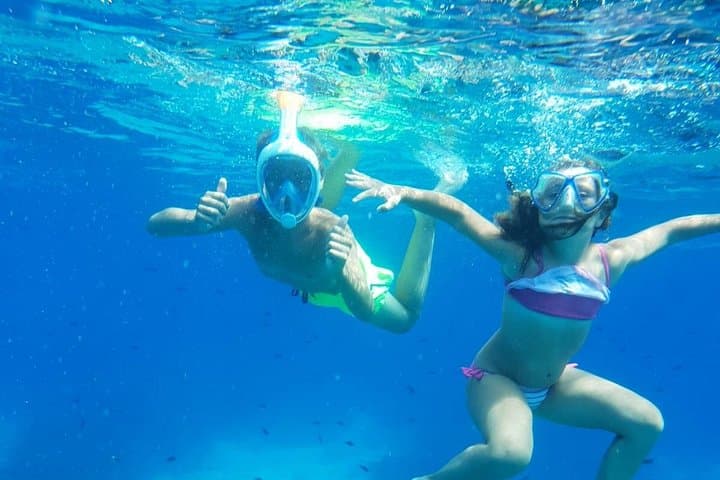
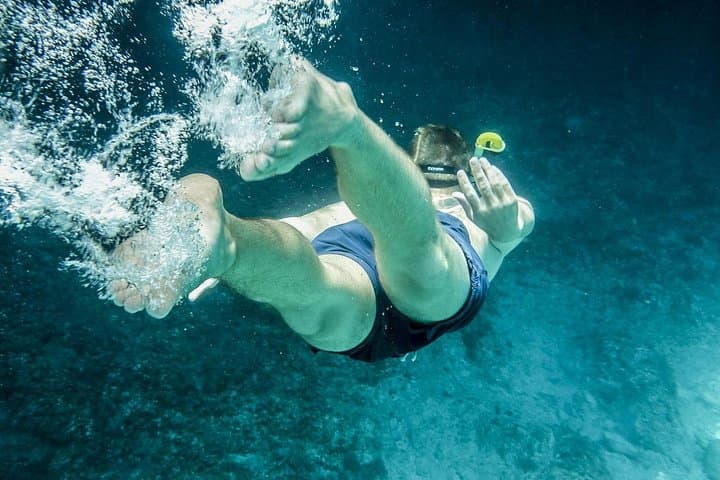
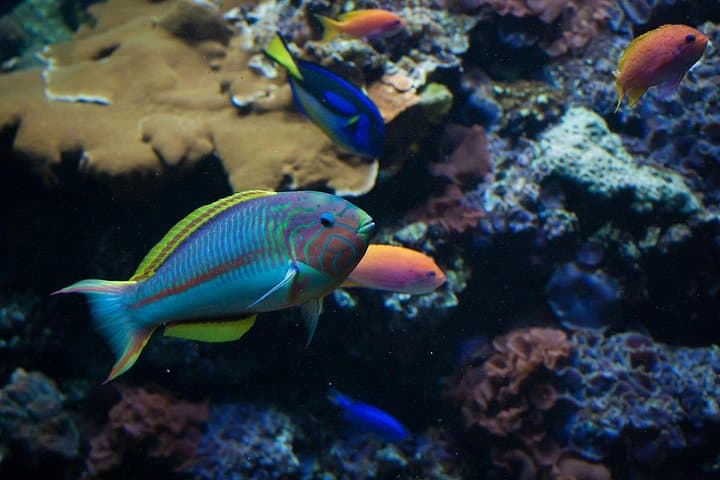
You step off the dinghy into water so clear the seabed reads like a map. The Mediterranean here around Plemmirio trims the eastern flank of Syracuse with rocky coves that drop into seagrass meadows and stone reefs; masks fog, then clear, and small shoals of fish scatter like punctuation. In an hour in the water you drift over starfish, inspect hedges of Posidonia that ripple with each passing current, and peer at dark crevices where moray eels and blennies lurk.
You step off the dinghy into water so clear the seabed reads like a map. The Mediterranean here around Plemmirio trims the eastern flank of Syracuse with rocky coves that drop into seagrass meadows and stone reefs; masks fog, then clear, and small shoals of fish scatter like punctuation. In an hour in the water you drift over starfish, inspect hedges of Posidonia that ripple with each passing current, and peer at dark crevices where moray eels and blennies lurk.
The Plemmirio Marine Protected Area was designated to ward off overfishing and safeguard underwater archaeology. Off this stretch of Sicily, civilizations have come and gone—Greek and Roman sailors anchored in the same bays where you’ll float. The coastline shows the hard, ancient geology of limestones and volcanic intrusions carved by sea and time; the result is steep coastal benches, submerged ledges and cavities that concentrate marine life.
Local instructors—trained and familiar with the small coves—lead short land briefings before you board. The operator provides masks, snorkels and often wetsuits for cooler months; a dinghy deposits you at shallow sites chosen for visibility, current and underwater interest. The protected status means you’ll sometimes see metal markers for archaeological sites and will be reminded not to interfere with fragile habitats or artifacts.
Practical edge: the advertised 2-hour outing includes time for preparation and boat transfer; expect roughly 60 minutes in the water. Mornings are calmer—less wind, softer light, and better surface visibility—while late afternoon can tint the limestone gold. Wear reef-safe sunscreen and a light top; a shorty wetsuit helps in spring and fall when water is brisk. Bring a towel, a biodegradable snack and a water bottle; operators usually ask you to contact them for the exact meeting point in Syracuse.
What this experience offers is accessible marine immersion—not technical diving but close encounters with coastal Mediterranean ecology and a taste of Syracuse’s maritime past. For families and first-time snorkelers it’s an easy, supervised way to explore a protected seascape. For photographers, shooting from the dinghy and then underwater (if you have a housing) will reward you with sharp colors and interesting textures. Most importantly, remember to keep buoyancy gentle and hands off: conservation is part of the adventure here.