THE ADVENTURE COLLECTIVE® · Independent discovery and booking for outdoor travel

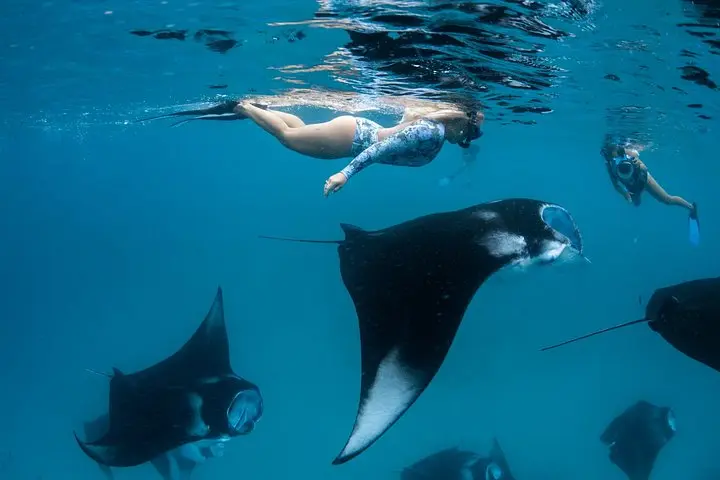
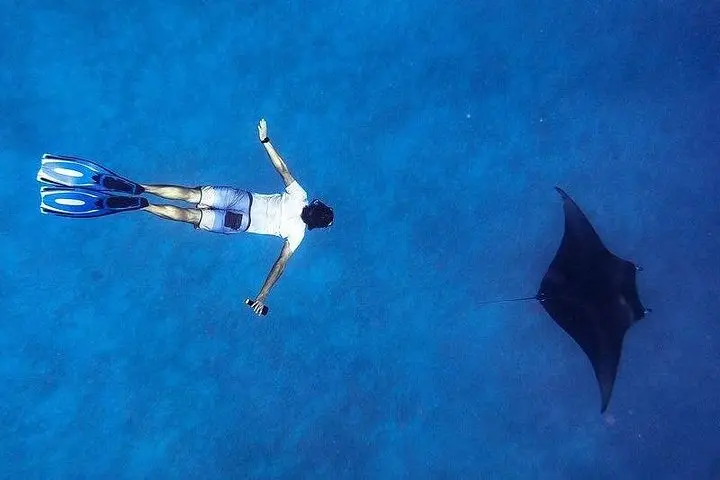
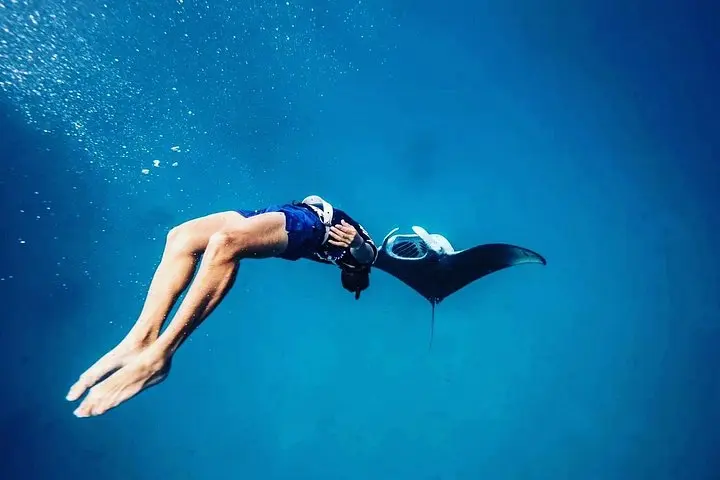
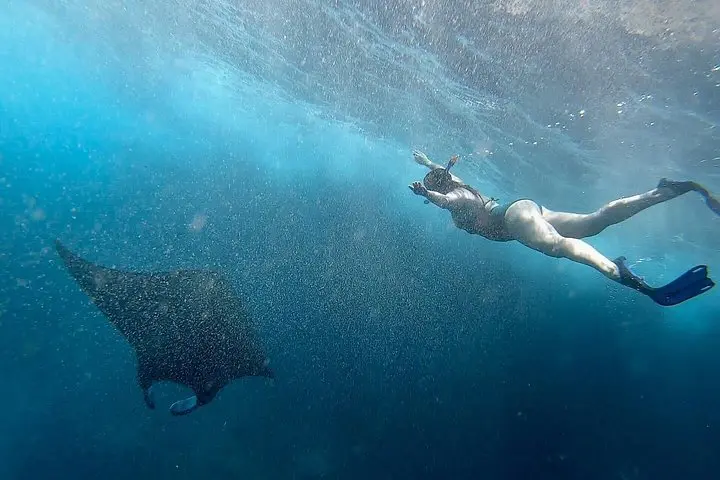
Board a speedboat from Maafushi for a two-hour snorkel in South Malé Atoll where manta rays feed and glide around reef drops. This guided encounter balances close-up marine viewing with strict no-touch rules and underwater photos provided by the operator.
Board a speedboat from Maafushi for a two-hour snorkel in South Malé Atoll where manta rays feed and glide around reef drops. This guided encounter balances close-up marine viewing with strict no-touch rules and underwater photos provided by the operator.
You step off Maafushi’s marina into a slim, fast boat and the lagoon opens like a sheet of glass—turquoise, shallow, then suddenly deep where the ocean gathers its giants.
Verified experiences and guided adventures in the surrounding area.
Operated by Tuktukdude Maldives · Maafushi, Kaafu Atoll
You step off Maafushi’s marina into a slim, fast boat and the lagoon opens like a sheet of glass—turquoise, shallow, then suddenly deep where the ocean gathers its giants.
In South Malé Atoll the sea is both stage and storyteller: coral platforms built on ancient volcanic rims create channels and cleaning stations where plankton concentrates and manta rays arrive to feed and be tended by cleaner wrasses. The Maldives’ atoll geology—rings of reef atop subsided volcanoes—shapes every drift and current, while Maafushi itself reflects the country’s recent tourism shift from private resorts to guesthouse hospitality.
On this short day trip guides run a two-hour circuit to known manta areas; expect guided snorkeling in open water, brief surface time, and underwater photos supplied by the operator. Wildlife etiquette is strict: no touching, no chasing, and limited group sizes help reduce stress on animals.
Practically, plan for surface intervals and modest swim effort—guests float with fins and masks while guides position the boat. Bring reef-safe sunscreen and a snug mask; the sun is intense and glare can tire you quickly. Seas can be calm or chop up on the outer edges—timing and local weather matter.
For photographers, a waterproof housing or an operator-provided gallery keeps the memory intact. Above all, this is a respectful encounter: manta rays invite you into their world if you move deliberately, breathe slowly, and let the current and the animals guide the moment.
Manta sightings are most frequent during the southwest monsoon (roughly May–November) when plankton blooms attract them, though encounters can occur year-round.
No — touching, feeding, or chasing manta rays is prohibited to protect the animals and is not allowed during guided encounters.
Expect several short snorkeling sessions within the two-hour tour; guides rotate swimmers to minimize disturbance and fatigue.
Yes — operators typically supply masks, snorkels, and fins, but many travelers bring their own fitted gear for comfort and fit.
Tuktukdude Maldives operates guided outdoor trips and adventures with an emphasis on safety, stewardship, and memorable experiences.
You step off Maafushi’s marina into a slim, fast boat and the lagoon opens like a sheet of glass—turquoise, shallow, then suddenly deep where the ocean gathers its giants.
You step off Maafushi’s marina into a slim, fast boat and the lagoon opens like a sheet of glass—turquoise, shallow, then suddenly deep where the ocean gathers its giants.
In South Malé Atoll the sea is both stage and storyteller: coral platforms built on ancient volcanic rims create channels and cleaning stations where plankton concentrates and manta rays arrive to feed and be tended by cleaner wrasses. The Maldives’ atoll geology—rings of reef atop subsided volcanoes—shapes every drift and current, while Maafushi itself reflects the country’s recent tourism shift from private resorts to guesthouse hospitality.
On this short day trip guides run a two-hour circuit to known manta areas; expect guided snorkeling in open water, brief surface time, and underwater photos supplied by the operator. Wildlife etiquette is strict: no touching, no chasing, and limited group sizes help reduce stress on animals.
Practically, plan for surface intervals and modest swim effort—guests float with fins and masks while guides position the boat. Bring reef-safe sunscreen and a snug mask; the sun is intense and glare can tire you quickly. Seas can be calm or chop up on the outer edges—timing and local weather matter.
For photographers, a waterproof housing or an operator-provided gallery keeps the memory intact. Above all, this is a respectful encounter: manta rays invite you into their world if you move deliberately, breathe slowly, and let the current and the animals guide the moment.