THE ADVENTURE COLLECTIVE® · Independent discovery and booking for outdoor travel

Cross a 16 km glacial basin and summit Hispar La on a multi‑day expedition through the Karakoram. This expedition-style trek blends hard glacier travel, high passes and remote village culture between Askole and Karimabad.
Cross a 16 km glacial basin and summit Hispar La on a multi‑day expedition through the Karakoram. This expedition-style trek blends hard glacier travel, high passes and remote village culture between Askole and Karimabad.
A thin wind pushes powder across a white plain and the high country opens like an arctic map: this is Snow Lake, a 16‑kilometre wide glacial basin at the head of the Biafo and Hispar glaciers. The trek moves from river valleys green with apricot trees up onto moraine and then a high, crevassed icefield, finishing with a steady climb to Hispar La for panoramic views over the Ogre, Latok and Kanjut Sar.
Verified experiences and guided adventures in the surrounding area.
Operated by Trango Adventure · Askole, Gilgit-Baltistan
A thin wind pushes powder across a white plain and the high country opens like an arctic map: this is Snow Lake, a 16‑kilometre wide glacial basin at the head of the Biafo and Hispar glaciers. The trek moves from river valleys green with apricot trees up onto moraine and then a high, crevassed icefield, finishing with a steady climb to Hispar La for panoramic views over the Ogre, Latok and Kanjut Sar.
The route follows paths once threaded by Silk Road traders and was first described in western literature by Martin Conway in 1892. Geologically the corridor links two major Karakoram glacier systems; expect hard, mixed terrain—sandy riverbanks, broken moraine, compact glacier ice and snowfields. Culturally the trek moves through Baltistan and Nagar communities where small terraces and wooden houses sit above fast mountain rivers.
Practically, the itinerary runs about 18–22 days from Skardu via Askole; you’ll gain from 3,000m at the trailhead to roughly 5,100m at Hispar La. Acclimatization days and an experienced guide are essential; parts of the crossing require short rope teams and crevasse awareness. Pack rigid boots, crampons and layered insulation, plan for daily glacier navigation of 6–8 hours on trekking days, and expect variable weather—sun can give way to whiteout in hours.
Trekking here rewards with vast, exposed panoramas and intimate encounters with high‑altitude pastoral life. Treat the glaciers with respect: move cautiously, hydrate deliberately and give local porters space to work. The result is an uncompromising, high‑country expedition that feels both raw and historically resonant.
Basic glacier travel experience and familiarity with crampons/ropes is strongly recommended; guides will rope parties where conditions require.
June to September offers the most reliable window; late spring and early autumn are possible but weather becomes less predictable.
Visitors need a visa for Pakistan and permits for travel in Gilgit‑Baltistan; your operator typically handles local permits and Liaison Officer arrangements.
Askole is the last motorable village; much of the trek is remote camping with basic field cuisine provided by the team and periodic village stays for resupply.
Trango Adventure operates guided outdoor trips and adventures with an emphasis on safety, stewardship, and memorable experiences.
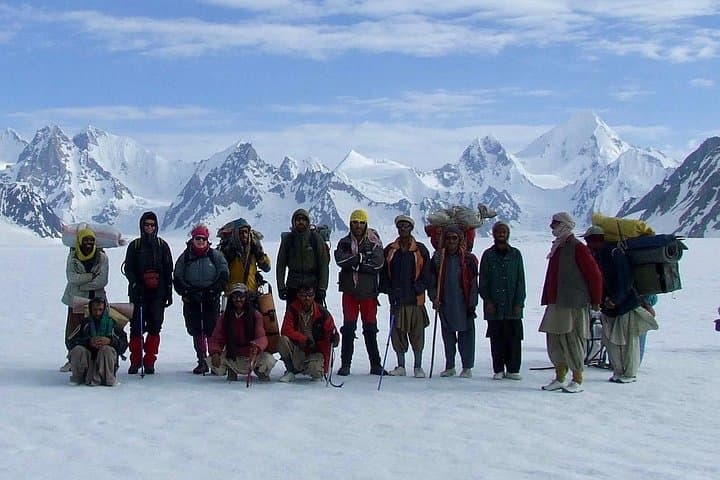
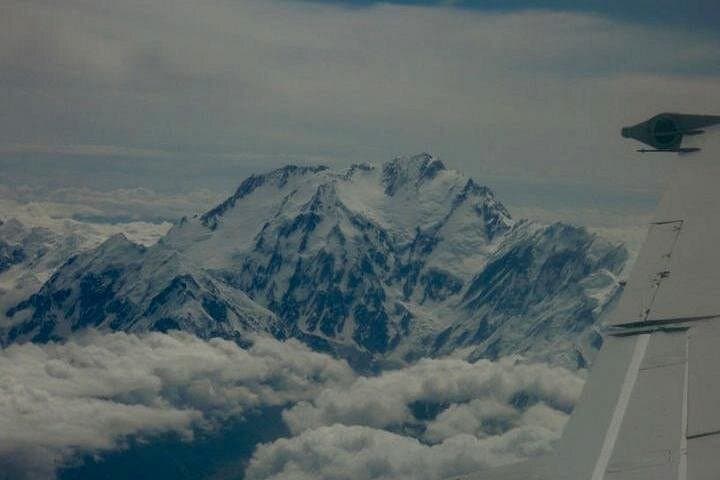
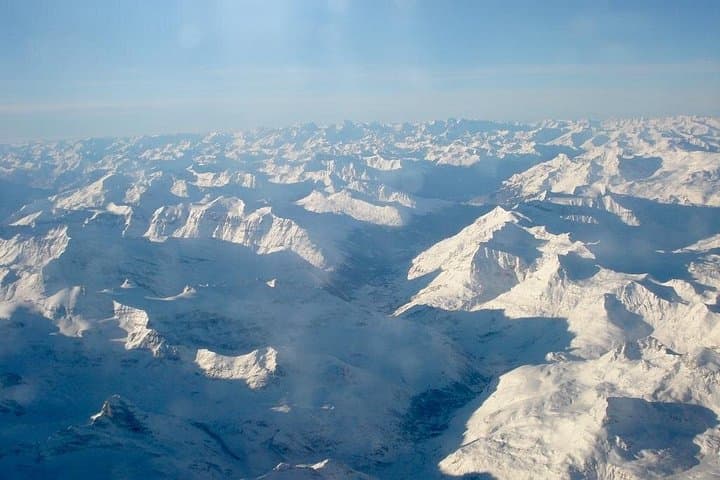
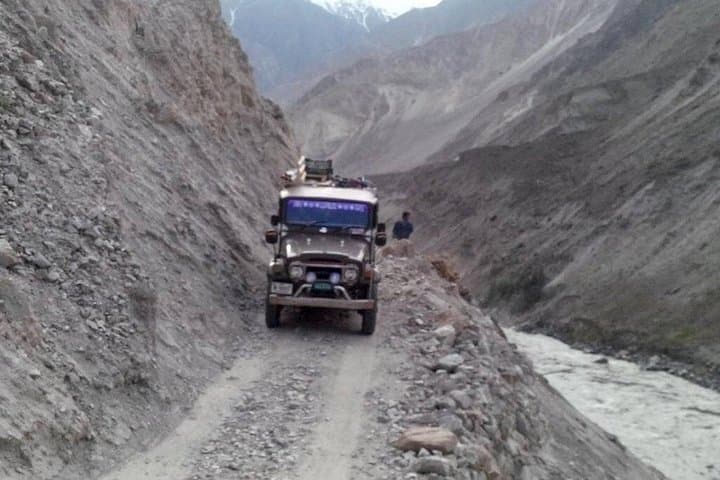
A thin wind pushes powder across a white plain and the high country opens like an arctic map: this is Snow Lake, a 16‑kilometre wide glacial basin at the head of the Biafo and Hispar glaciers. The trek moves from river valleys green with apricot trees up onto moraine and then a high, crevassed icefield, finishing with a steady climb to Hispar La for panoramic views over the Ogre, Latok and Kanjut Sar.
A thin wind pushes powder across a white plain and the high country opens like an arctic map: this is Snow Lake, a 16‑kilometre wide glacial basin at the head of the Biafo and Hispar glaciers. The trek moves from river valleys green with apricot trees up onto moraine and then a high, crevassed icefield, finishing with a steady climb to Hispar La for panoramic views over the Ogre, Latok and Kanjut Sar.
The route follows paths once threaded by Silk Road traders and was first described in western literature by Martin Conway in 1892. Geologically the corridor links two major Karakoram glacier systems; expect hard, mixed terrain—sandy riverbanks, broken moraine, compact glacier ice and snowfields. Culturally the trek moves through Baltistan and Nagar communities where small terraces and wooden houses sit above fast mountain rivers.
Practically, the itinerary runs about 18–22 days from Skardu via Askole; you’ll gain from 3,000m at the trailhead to roughly 5,100m at Hispar La. Acclimatization days and an experienced guide are essential; parts of the crossing require short rope teams and crevasse awareness. Pack rigid boots, crampons and layered insulation, plan for daily glacier navigation of 6–8 hours on trekking days, and expect variable weather—sun can give way to whiteout in hours.
Trekking here rewards with vast, exposed panoramas and intimate encounters with high‑altitude pastoral life. Treat the glaciers with respect: move cautiously, hydrate deliberately and give local porters space to work. The result is an uncompromising, high‑country expedition that feels both raw and historically resonant.