THE ADVENTURE COLLECTIVE® · Independent discovery and booking for outdoor travel

See wild Japanese macaques soak in natural hot springs, enjoy hand-cut soba in a historic bathing town, and relax in public onsen on this half-day Nagano tour. Practical local tips and timing help you get the most from the visit.
See wild Japanese macaques soak in natural hot springs, enjoy hand-cut soba in a historic bathing town, and relax in public onsen on this half-day Nagano tour. Practical local tips and timing help you get the most from the visit.
Mist rises from the valley as the first visitors thread a narrow trail through fir and bamboo toward the steaming pools where macaques bathe. The path crunches underfoot; the river below pushes cold water past rock and root. At the viewing platform, Japanese macaques move like locals — indifferent, curious, occasionally purposeful as they climb and settle into hot springs.
Verified experiences and guided adventures in the surrounding area.
Operated by Yadoroku., co.ltd · Yamanouchi, Nagano
Mist rises from the valley as the first visitors thread a narrow trail through fir and bamboo toward the steaming pools where macaques bathe. The path crunches underfoot; the river below pushes cold water past rock and root. At the viewing platform, Japanese macaques move like locals — indifferent, curious, occasionally purposeful as they climb and settle into hot springs.
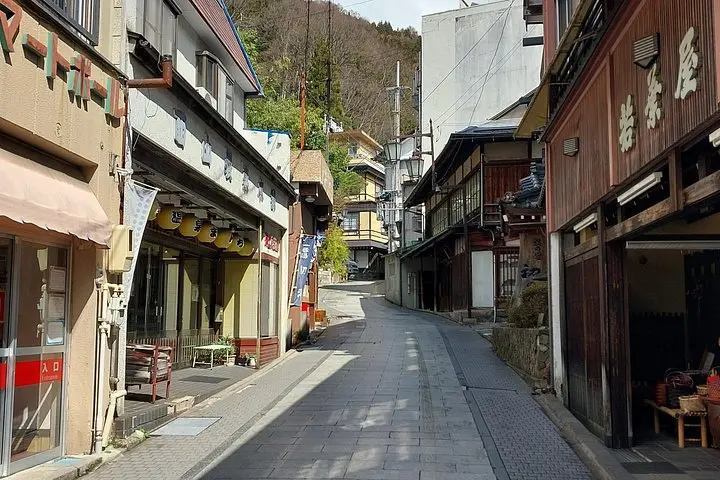
The site sits in the volcanic landscape of Nagano Prefecture, carved by ancient lava flows and today watered by mountain streams that feed the park’s geothermal baths. Shibu Onsen, a short drive away, is a historic hot-spring town whose wooden ryokan and public rotenburo recall Edo- and Meiji-era bathing culture. Soba noodles here reflect a long regional tradition—buckwheat grown in high fields, hand-cut and served simply.
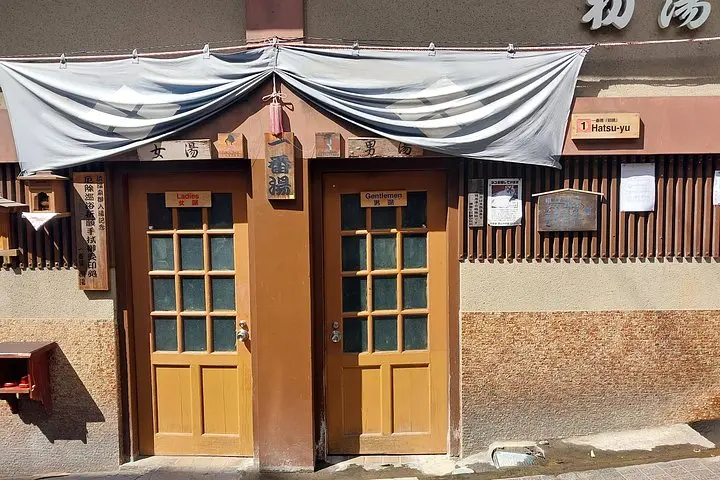
Expect gentle walking: the park approach is roughly 20–30 minutes from the carpark over uneven trails; viewing platforms keep distance from wildlife. Photography is popular but follow staff guidance—never feed or touch the monkeys. In Shibu Onsen, public baths require modesty, local bathing etiquette, and often a small fee; many travelers collect onsen stamps at different houses for a playful keepsake.
Practically, dress in layers and waterproof footwear, bring cash for small purchases and onsen fees, and aim for morning visits when macaque activity is highest. The tour combines wildlife viewing, a regional lunch, and authentic onsen time — compact, sensory, and rooted in place.
No — the monkeys use protected thermal pools; visitors may use public baths in Shibu Onsen, which have separate facilities and etiquette.
They are wild animals and can bite if provoked; maintain distance, follow guides’ rules, and never attempt to feed them.
The approach is typically a 20–30 minute walk over uneven terrain from the parking area or shuttle drop-off to the viewing area.
Yes; the tour is rated easy, but mobility issues with uneven trails or winter conditions should be considered—ask about optional pickup support.
Yadoroku., co.ltd operates guided outdoor trips and adventures with an emphasis on safety, stewardship, and memorable experiences.
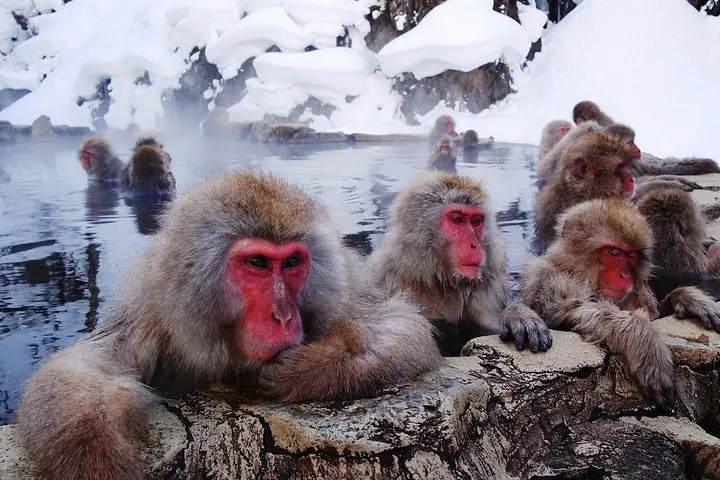
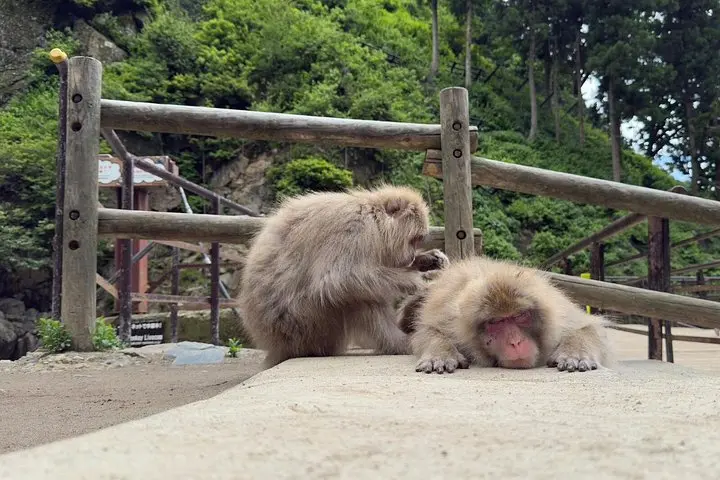
Mist rises from the valley as the first visitors thread a narrow trail through fir and bamboo toward the steaming pools where macaques bathe. The path crunches underfoot; the river below pushes cold water past rock and root. At the viewing platform, Japanese macaques move like locals — indifferent, curious, occasionally purposeful as they climb and settle into hot springs.
Mist rises from the valley as the first visitors thread a narrow trail through fir and bamboo toward the steaming pools where macaques bathe. The path crunches underfoot; the river below pushes cold water past rock and root. At the viewing platform, Japanese macaques move like locals — indifferent, curious, occasionally purposeful as they climb and settle into hot springs.
The site sits in the volcanic landscape of Nagano Prefecture, carved by ancient lava flows and today watered by mountain streams that feed the park’s geothermal baths. Shibu Onsen, a short drive away, is a historic hot-spring town whose wooden ryokan and public rotenburo recall Edo- and Meiji-era bathing culture. Soba noodles here reflect a long regional tradition—buckwheat grown in high fields, hand-cut and served simply.
Expect gentle walking: the park approach is roughly 20–30 minutes from the carpark over uneven trails; viewing platforms keep distance from wildlife. Photography is popular but follow staff guidance—never feed or touch the monkeys. In Shibu Onsen, public baths require modesty, local bathing etiquette, and often a small fee; many travelers collect onsen stamps at different houses for a playful keepsake.
Practically, dress in layers and waterproof footwear, bring cash for small purchases and onsen fees, and aim for morning visits when macaque activity is highest. The tour combines wildlife viewing, a regional lunch, and authentic onsen time — compact, sensory, and rooted in place.