THE ADVENTURE COLLECTIVE® · Independent discovery and booking for outdoor travel

Five days across Lhasa’s great monasteries, Potala heights and meditation caves offers a compact immersion in Tibetan Buddhism and plateau life. Expect high altitude, steep temple steps, and intimate encounters with monastic practice—best tackled with measured pacing and proper permits.
Five days across Lhasa’s great monasteries, Potala heights and meditation caves offers a compact immersion in Tibetan Buddhism and plateau life. Expect high altitude, steep temple steps, and intimate encounters with monastic practice—best tackled with measured pacing and proper permits.
A thin, clean light sits over Lhasa as you step from the airport into air that feels both rare and deliberate—every breath a reminder you're on the Tibetan Plateau. The city’s flat-roofed houses and prayer flags frame a route that leads you from quiet courtyards to the steps of the Potala, where stone stairs push you upward and wind pushes back.
Verified experiences and guided adventures in the surrounding area.
Operated by 阳光神龙旅行社 · Lhasa, Tibet Autonomous Region
A thin, clean light sits over Lhasa as you step from the airport into air that feels both rare and deliberate—every breath a reminder you're on the Tibetan Plateau. The city’s flat-roofed houses and prayer flags frame a route that leads you from quiet courtyards to the steps of the Potala, where stone stairs push you upward and wind pushes back.
This five‑day private itinerary threads Lhasa’s living history: the Potala Palace’s political and religious role, the Jokhang’s unbroken stream of pilgrims, and Gelugpa scholarship in Ganden, Sera and Drepung monasteries. Geology plays a quiet supporting role—the plateau’s uplifted rock and distant glacial shoulders create the sharp horizon that turns pale blue as the day cools. Culturally, you’ll witness monk debates, kora circumambulations and the intimate routine of teahouses that remain social engines for residents.
Expect short driven transfers of 30–70 km between sites, frequent altitude exposure (Lhasa ~3,650 m) and walking that includes steep stone steps and uneven temple courtyards. Guides typically provide oxygen, permits and logistics; you should still move deliberately: hydrate, sleep early, and keep a light pace on hikes.
Practical tips: carry layered clothing for big diurnal swings, high‑SPF sun protection, and copies of your passport and Tibet Travel Permit. Respect monastic rules—speak softly, remove hats in prayer halls, and avoid flash photography in sacred spaces.
By the end of five days the wind will feel like an honest companion: sometimes testing, often clarifying, and always asking you to move with care in a place where history and high altitude meet.
Yes — the tour includes Tibet Travel Permit and required local documents, but bring passport copies and follow guide instructions at checkpoints.
Lhasa sits around 3,650 m; many visitors experience mild symptoms. The itinerary supplies oxygen and acclimatization time, but stay hydrated, rest, and notify guides if symptoms worsen.
Late spring to early autumn (May–October) offers milder weather and clearer views; fall (September–October) often has the most stable skies.
The tour includes listed three‑star hotels, breakfast for most days and some dinners; confirm specific meal inclusions when booking.
阳光神龙旅行社 operates guided outdoor trips and adventures with an emphasis on safety, stewardship, and memorable experiences.
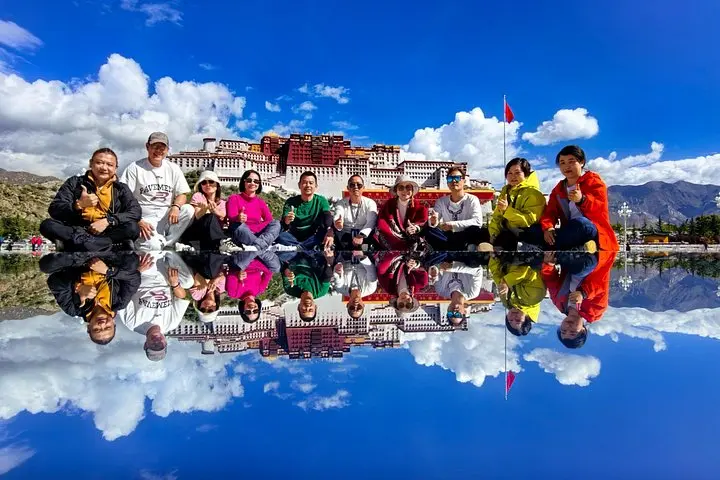
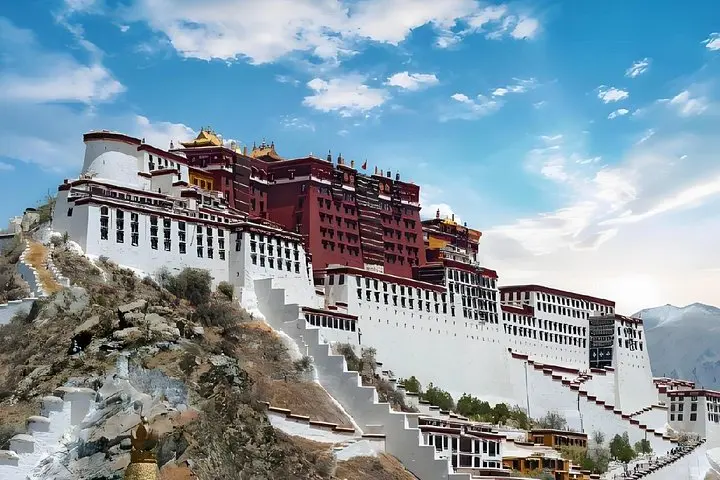
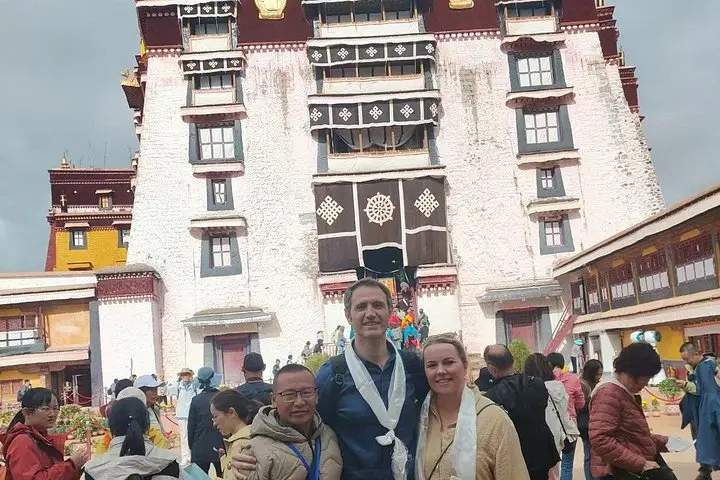
A thin, clean light sits over Lhasa as you step from the airport into air that feels both rare and deliberate—every breath a reminder you're on the Tibetan Plateau. The city’s flat-roofed houses and prayer flags frame a route that leads you from quiet courtyards to the steps of the Potala, where stone stairs push you upward and wind pushes back.
A thin, clean light sits over Lhasa as you step from the airport into air that feels both rare and deliberate—every breath a reminder you're on the Tibetan Plateau. The city’s flat-roofed houses and prayer flags frame a route that leads you from quiet courtyards to the steps of the Potala, where stone stairs push you upward and wind pushes back.
This five‑day private itinerary threads Lhasa’s living history: the Potala Palace’s political and religious role, the Jokhang’s unbroken stream of pilgrims, and Gelugpa scholarship in Ganden, Sera and Drepung monasteries. Geology plays a quiet supporting role—the plateau’s uplifted rock and distant glacial shoulders create the sharp horizon that turns pale blue as the day cools. Culturally, you’ll witness monk debates, kora circumambulations and the intimate routine of teahouses that remain social engines for residents.
Expect short driven transfers of 30–70 km between sites, frequent altitude exposure (Lhasa ~3,650 m) and walking that includes steep stone steps and uneven temple courtyards. Guides typically provide oxygen, permits and logistics; you should still move deliberately: hydrate, sleep early, and keep a light pace on hikes.
Practical tips: carry layered clothing for big diurnal swings, high‑SPF sun protection, and copies of your passport and Tibet Travel Permit. Respect monastic rules—speak softly, remove hats in prayer halls, and avoid flash photography in sacred spaces.
By the end of five days the wind will feel like an honest companion: sometimes testing, often clarifying, and always asking you to move with care in a place where history and high altitude meet.