THE ADVENTURE COLLECTIVE® · Independent discovery and booking for outdoor travel

Leave Sapporo for a guided snowshoe walk into Jozankei’s powder-filled forests, then warm up in a traditional onsen. This full-day trip mixes easy-to-learn snowshoeing, wildlife spotting, and local hot-spring culture.
Leave Sapporo for a guided snowshoe walk into Jozankei’s powder-filled forests, then warm up in a traditional onsen. This full-day trip mixes easy-to-learn snowshoeing, wildlife spotting, and local hot-spring culture.
A hush settles over the forest as your minivan leaves Sapporo’s grid behind and the city noise thins to wind in the pines. Within an hour and a half you’re stepping into deep, untracked snow—trees bowed with powder, the path a single line of compressed white underfoot. The guide fits your snowshoes, checks your poles, and points out the faint tracks of fox or sika deer that cross the trail like punctuation in the landscape.
Verified experiences and guided adventures in the surrounding area.
Operated by Hokkaido Private Adventure · Sapporo, Hokkaido
A hush settles over the forest as your minivan leaves Sapporo’s grid behind and the city noise thins to wind in the pines. Within an hour and a half you’re stepping into deep, untracked snow—trees bowed with powder, the path a single line of compressed white underfoot. The guide fits your snowshoes, checks your poles, and points out the faint tracks of fox or sika deer that cross the trail like punctuation in the landscape.
This stretch of Hokkaido sits on volcanic bedrock carved by rivers, its valleys shaped by glacial and fluvial action. Jozankei’s onsen culture grew around hot springs fed by that same geologic heat; after the walk you can soak in mineral-rich waters used locally for generations. The area’s winter climate produces consistent dry powder—ideal for snowshoeing—and the trail gives clear views into forest structure and winter birdlife.
Practically, expect 3–5 km of walking over uneven, snow-packed terrain with gentle climbs and occasional steeper pitches; total outing time is about seven hours including transfers, lunch options in Jozankei, and an onsen visit. Guides provide basic instruction, snowshoe gear, poles and waterproof outer layers on request. Bring insulating mid-layers, warm socks, sunglasses to cut glare, and a daypack with water and snacks. Timing your trip for mid-morning light reduces icy conditions and maximizes wildlife sightings.
This outing pairs low technical demand with steady cardio: it’s accessible to beginners who can walk moderately for several hours and want a full-day winter immersion followed by traditional Japanese relaxation.
The drive to the snowshoe area near Jozankei typically takes about 75–90 minutes depending on traffic and road conditions.
No—guides provide instruction and the terrain is suitable for beginners with moderate fitness.
Yes—snowshoes, poles and snow boots are included; waterproof jackets and pants are available on request.
Yes—the itinerary includes hot spring access in Jozankei after the snowshoeing portion of the day.
Hokkaido Private Adventure operates guided outdoor trips and adventures with an emphasis on safety, stewardship, and memorable experiences.
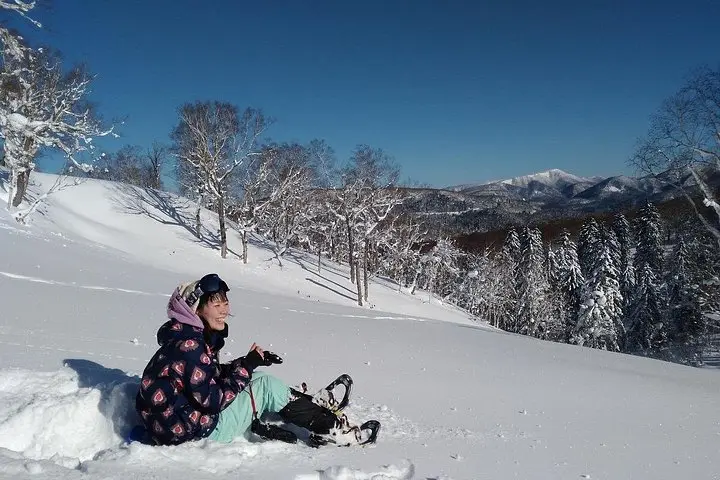
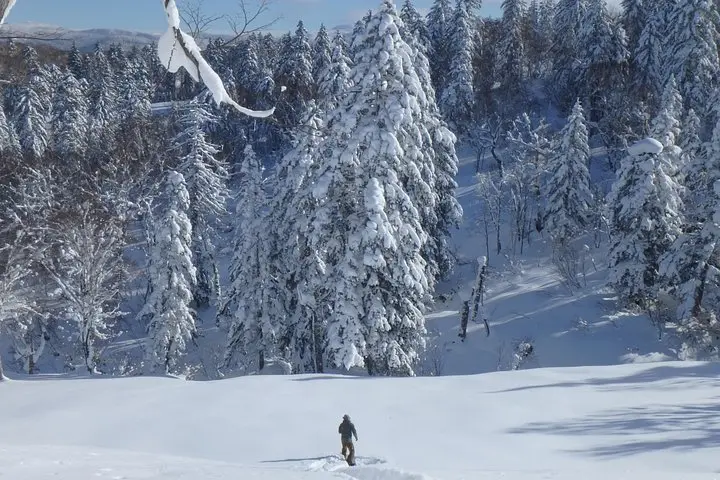
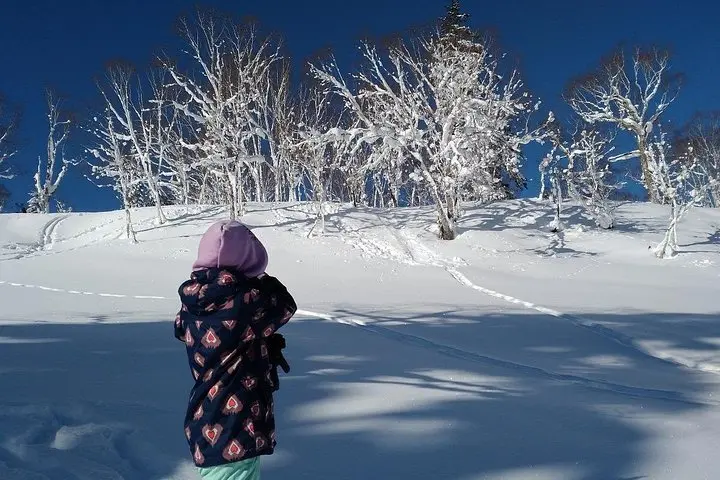
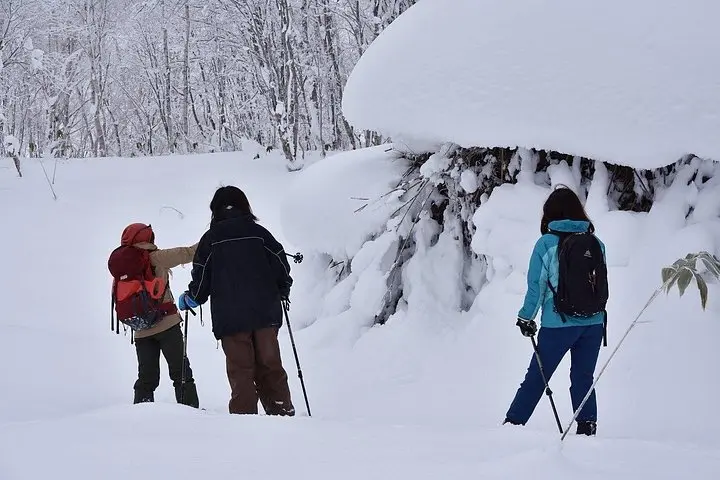
A hush settles over the forest as your minivan leaves Sapporo’s grid behind and the city noise thins to wind in the pines. Within an hour and a half you’re stepping into deep, untracked snow—trees bowed with powder, the path a single line of compressed white underfoot. The guide fits your snowshoes, checks your poles, and points out the faint tracks of fox or sika deer that cross the trail like punctuation in the landscape.
A hush settles over the forest as your minivan leaves Sapporo’s grid behind and the city noise thins to wind in the pines. Within an hour and a half you’re stepping into deep, untracked snow—trees bowed with powder, the path a single line of compressed white underfoot. The guide fits your snowshoes, checks your poles, and points out the faint tracks of fox or sika deer that cross the trail like punctuation in the landscape.
This stretch of Hokkaido sits on volcanic bedrock carved by rivers, its valleys shaped by glacial and fluvial action. Jozankei’s onsen culture grew around hot springs fed by that same geologic heat; after the walk you can soak in mineral-rich waters used locally for generations. The area’s winter climate produces consistent dry powder—ideal for snowshoeing—and the trail gives clear views into forest structure and winter birdlife.
Practically, expect 3–5 km of walking over uneven, snow-packed terrain with gentle climbs and occasional steeper pitches; total outing time is about seven hours including transfers, lunch options in Jozankei, and an onsen visit. Guides provide basic instruction, snowshoe gear, poles and waterproof outer layers on request. Bring insulating mid-layers, warm socks, sunglasses to cut glare, and a daypack with water and snacks. Timing your trip for mid-morning light reduces icy conditions and maximizes wildlife sightings.
This outing pairs low technical demand with steady cardio: it’s accessible to beginners who can walk moderately for several hours and want a full-day winter immersion followed by traditional Japanese relaxation.