THE ADVENTURE COLLECTIVE® · Independent discovery and booking for outdoor travel

Ride a short chairlift into the Lucanian winter and trek to Monte Arioso’s 1,709 m summit on guided snowshoes. Expect beech forests, open ridgelines, and sweeping views toward Matera and the Tyrrhenian coast.
Ride a short chairlift into the Lucanian winter and trek to Monte Arioso’s 1,709 m summit on guided snowshoes. Expect beech forests, open ridgelines, and sweeping views toward Matera and the Tyrrhenian coast.
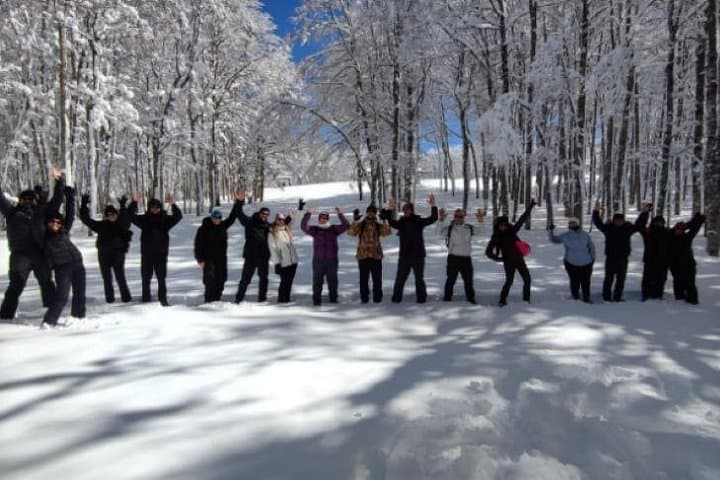
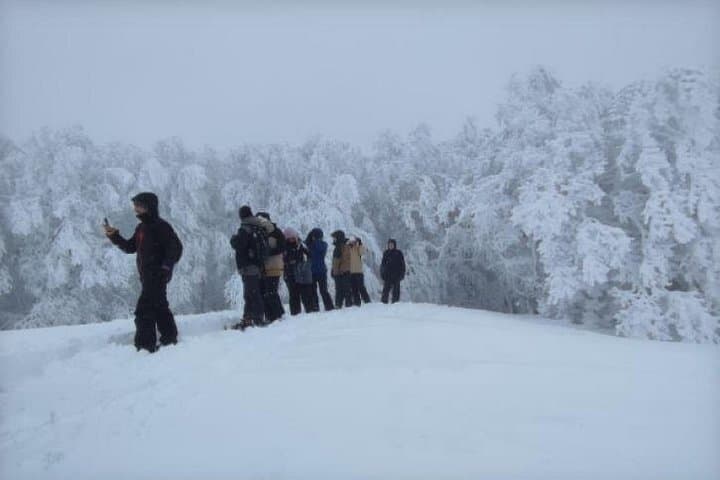
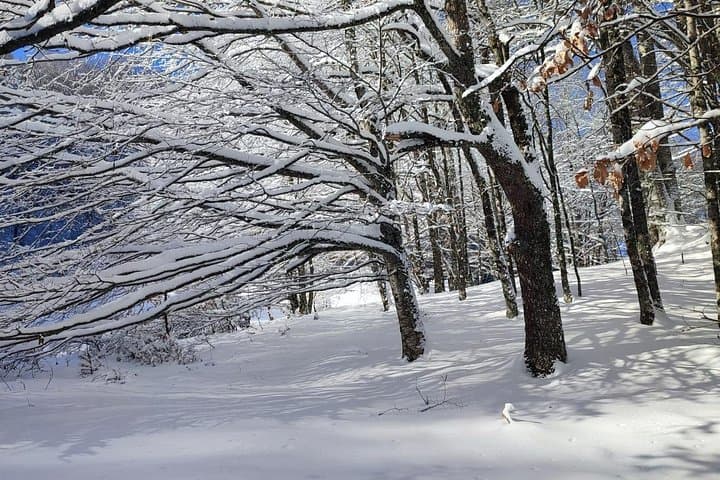
A cold ridge breeze meets your face as the chairlift delivers you to roughly 1,700 m and the beech forest opens into a ledger of white. Snow crunches under rented snowshoes; the guide outlines the ridge route and the mountain’s quiet rules. Ahead, the summit of Monte Arioso (1,709 m) pins a wide view—rolling Lucanian hills falling toward Matera and, on clear days, the distant Tyrrhenian glint.
Verified experiences and guided adventures in the surrounding area.
Operated by Martulli Viaggi · Potenza, Basilicata
A cold ridge breeze meets your face as the chairlift delivers you to roughly 1,700 m and the beech forest opens into a ledger of white. Snow crunches under rented snowshoes; the guide outlines the ridge route and the mountain’s quiet rules. Ahead, the summit of Monte Arioso (1,709 m) pins a wide view—rolling Lucanian hills falling toward Matera and, on clear days, the distant Tyrrhenian glint.
This part of the Lucanian Apennines carries a working landscape history: shepherding and seasonal pasture routes shaped trails and small stone villages below. Geologically, the range is older Apennine limestone and flysch folded into narrow ridges; winters bring persistent snowfields at higher elevations and dense beech stands that shelter wildlife. Local culture is straightforward—mountain food, austere masonry villages, and guides steeped in regional natural history.
Practically, expect 4–5 hours out with moderate climbs across packed snow and mixed forest-to-ridge terrain. The organizer provides snowshoes and poles and conducts a safety briefing; good waterproof boots, layered clothing, and at least 1.5 L water are recommended. Weather dictates availability—trips run only when there’s adequate snow—so plan flexibility into travel and book a local night in Potenza or Matera.
Move deliberately: follow the guide, watch for cornices on ridgelines, and use sun protection—the winter glare is sharp. At the summit, pause to let the mountains feel alive underfoot: the forest exhales, the ridge dares you onward, and the view rewards measured effort.
No—this is guided and suitable for beginners; guides cover technique during the briefing.
Yes—rental of snowshoes and poles and guide assistance are included in the tour price.
The operator may reschedule or cancel; they’ll notify you in advance and refund if cancellation occurs more than 24 hours before departure.
The activity is generally open to most ages but not recommended for guests with serious heart or spinal conditions; check the booking questions for specifics.
Martulli Viaggi operates guided outdoor trips and adventures with an emphasis on safety, stewardship, and memorable experiences.

A cold ridge breeze meets your face as the chairlift delivers you to roughly 1,700 m and the beech forest opens into a ledger of white. Snow crunches under rented snowshoes; the guide outlines the ridge route and the mountain’s quiet rules. Ahead, the summit of Monte Arioso (1,709 m) pins a wide view—rolling Lucanian hills falling toward Matera and, on clear days, the distant Tyrrhenian glint.
A cold ridge breeze meets your face as the chairlift delivers you to roughly 1,700 m and the beech forest opens into a ledger of white. Snow crunches under rented snowshoes; the guide outlines the ridge route and the mountain’s quiet rules. Ahead, the summit of Monte Arioso (1,709 m) pins a wide view—rolling Lucanian hills falling toward Matera and, on clear days, the distant Tyrrhenian glint.
This part of the Lucanian Apennines carries a working landscape history: shepherding and seasonal pasture routes shaped trails and small stone villages below. Geologically, the range is older Apennine limestone and flysch folded into narrow ridges; winters bring persistent snowfields at higher elevations and dense beech stands that shelter wildlife. Local culture is straightforward—mountain food, austere masonry villages, and guides steeped in regional natural history.
Practically, expect 4–5 hours out with moderate climbs across packed snow and mixed forest-to-ridge terrain. The organizer provides snowshoes and poles and conducts a safety briefing; good waterproof boots, layered clothing, and at least 1.5 L water are recommended. Weather dictates availability—trips run only when there’s adequate snow—so plan flexibility into travel and book a local night in Potenza or Matera.
Move deliberately: follow the guide, watch for cornices on ridgelines, and use sun protection—the winter glare is sharp. At the summit, pause to let the mountains feel alive underfoot: the forest exhales, the ridge dares you onward, and the view rewards measured effort.