THE ADVENTURE COLLECTIVE® · Independent discovery and booking for outdoor travel

Strap on loaner snowshoes and follow a guide up ~300 m to a frozen alpine lake in Kananaskis Country. This five‑hour outing from Canmore mixes steady climbs, creek crossings and a lakeside lunch amid limestone peaks.
Strap on loaner snowshoes and follow a guide up ~300 m to a frozen alpine lake in Kananaskis Country. This five‑hour outing from Canmore mixes steady climbs, creek crossings and a lakeside lunch amid limestone peaks.
You step out of the minivan into cold, clear air and a bowl of gray limestone peaks pressing the sky. Tracks crunch under borrowed snowshoes as the guide points the line up through forest, the valley opening into a frozen arm of an alpine lake where wind trims the snow into sharp ridges. The day moves with a purposeful rhythm: an orientation in Canmore, a 45‑minute convoy to the trailhead, then roughly five hours on the snow—ascending about 300 metres to a lunch spot at Chester or Rummel Lake before returning the same way.
Verified experiences and guided adventures in the surrounding area.
Operated by Freeheelin' Adventures · Canmore, Alberta
You step out of the minivan into cold, clear air and a bowl of gray limestone peaks pressing the sky. Tracks crunch under borrowed snowshoes as the guide points the line up through forest, the valley opening into a frozen arm of an alpine lake where wind trims the snow into sharp ridges. The day moves with a purposeful rhythm: an orientation in Canmore, a 45‑minute convoy to the trailhead, then roughly five hours on the snow—ascending about 300 metres to a lunch spot at Chester or Rummel Lake before returning the same way.
Geology here is blunt and old: sedimentary limestone sculpted by Pleistocene ice, cirques and moraines framing clear, cold basins. The human history is equally layered — Indigenous travel and hunting routes, later followed by trappers, ranchers and alpine recreationalists who opened these valleys to winter use.
Expect quiet forests of spruce and subalpine fir, brittle wind-swept ridgelines, and the occasional call of a raven. Snowshoes are provided; guides cover route-finding, avalanche-awareness basics, and local ecology during the trek. Because driving time to the trailhead isn’t included, plan for extra time and winter road conditions when leaving Canmore.
Practical advice: wear insulated, waterproof boots, dress in breathable layers, bring a full water bottle or thermos and high-calorie lunch, and carry sunglasses for glare off the ice. The tour recommends moderate fitness and a minimum age of 15; be ready for temperatures well below freezing and brief, steady climbs that reward you with a frozen alpine lunch at the lake’s edge.
Meet in Canmore for an orientation and waiver signing; the guide-led convoy then drives about 45 minutes to the trailhead (transport not included).
Yes, snowshoes are included—organizers require your boot size and weight ahead of time to fit them properly.
Minimum age is 15; participants should have a moderate fitness level and be comfortable with several hours of uphill walking in winter conditions.
Tours follow the operator’s weather and safety policy; standard cancellation allows a full refund if cancelled at least 24 hours prior, but the operator may adjust plans for unsafe conditions.
Freeheelin' Adventures operates guided outdoor trips and adventures with an emphasis on safety, stewardship, and memorable experiences.
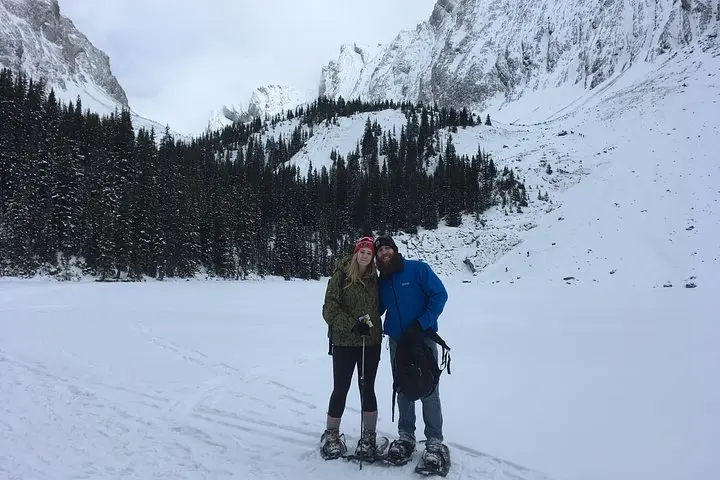
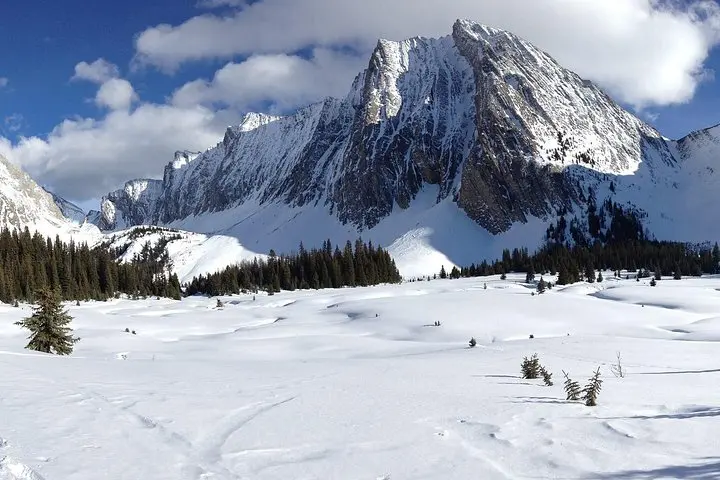
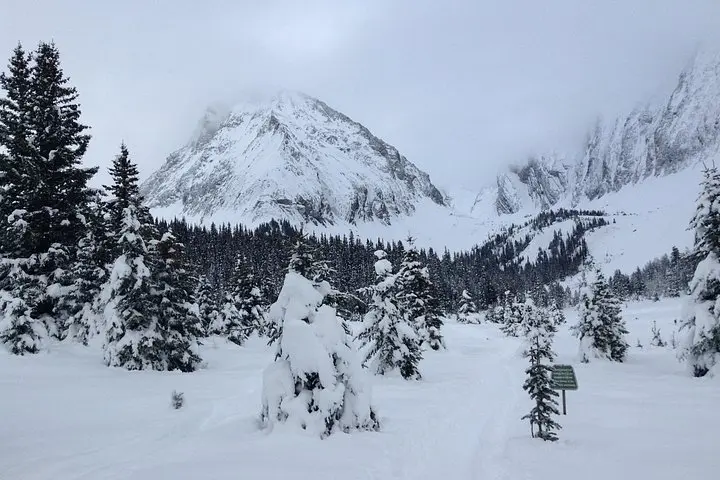
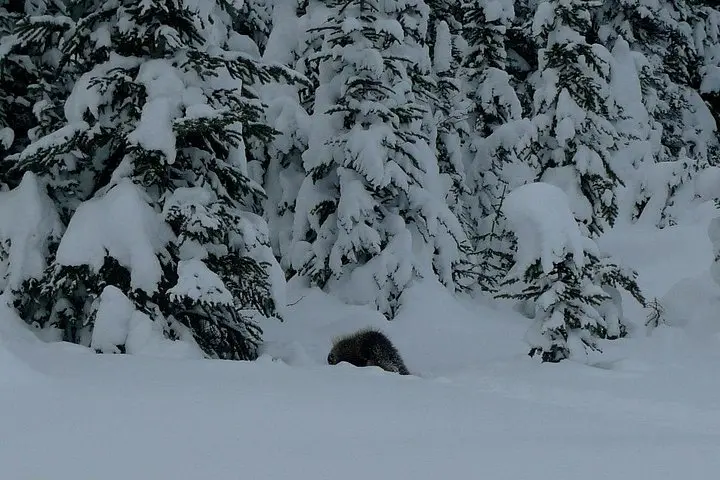
You step out of the minivan into cold, clear air and a bowl of gray limestone peaks pressing the sky. Tracks crunch under borrowed snowshoes as the guide points the line up through forest, the valley opening into a frozen arm of an alpine lake where wind trims the snow into sharp ridges. The day moves with a purposeful rhythm: an orientation in Canmore, a 45‑minute convoy to the trailhead, then roughly five hours on the snow—ascending about 300 metres to a lunch spot at Chester or Rummel Lake before returning the same way.
You step out of the minivan into cold, clear air and a bowl of gray limestone peaks pressing the sky. Tracks crunch under borrowed snowshoes as the guide points the line up through forest, the valley opening into a frozen arm of an alpine lake where wind trims the snow into sharp ridges. The day moves with a purposeful rhythm: an orientation in Canmore, a 45‑minute convoy to the trailhead, then roughly five hours on the snow—ascending about 300 metres to a lunch spot at Chester or Rummel Lake before returning the same way.
Geology here is blunt and old: sedimentary limestone sculpted by Pleistocene ice, cirques and moraines framing clear, cold basins. The human history is equally layered — Indigenous travel and hunting routes, later followed by trappers, ranchers and alpine recreationalists who opened these valleys to winter use.
Expect quiet forests of spruce and subalpine fir, brittle wind-swept ridgelines, and the occasional call of a raven. Snowshoes are provided; guides cover route-finding, avalanche-awareness basics, and local ecology during the trek. Because driving time to the trailhead isn’t included, plan for extra time and winter road conditions when leaving Canmore.
Practical advice: wear insulated, waterproof boots, dress in breathable layers, bring a full water bottle or thermos and high-calorie lunch, and carry sunglasses for glare off the ice. The tour recommends moderate fitness and a minimum age of 15; be ready for temperatures well below freezing and brief, steady climbs that reward you with a frozen alpine lunch at the lake’s edge.