THE ADVENTURE COLLECTIVE® · Independent discovery and booking for outdoor travel

Ride a snowcat through a silvered forest, strap on snowshoes and approach Yonako Fudō’s 95‑meter frozen face. This guided winter hike balances dramatic ice scenery with simple, well-supported logistics—ideal for first‑time winter hikers.
Ride a snowcat through a silvered forest, strap on snowshoes and approach Yonako Fudō’s 95‑meter frozen face. This guided winter hike balances dramatic ice scenery with simple, well-supported logistics—ideal for first‑time winter hikers.
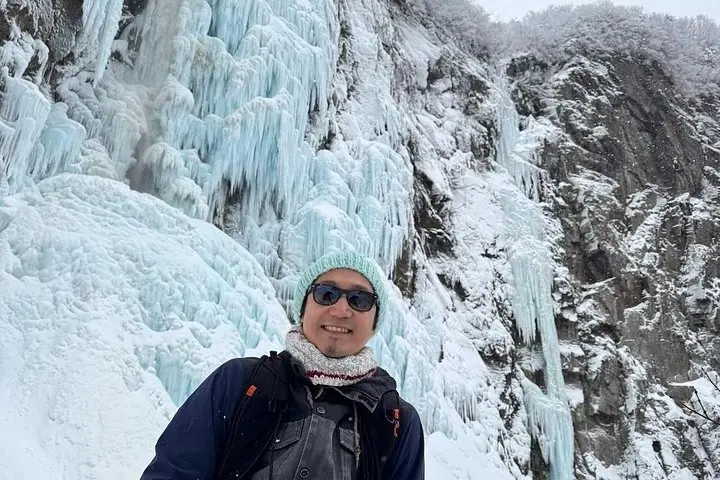
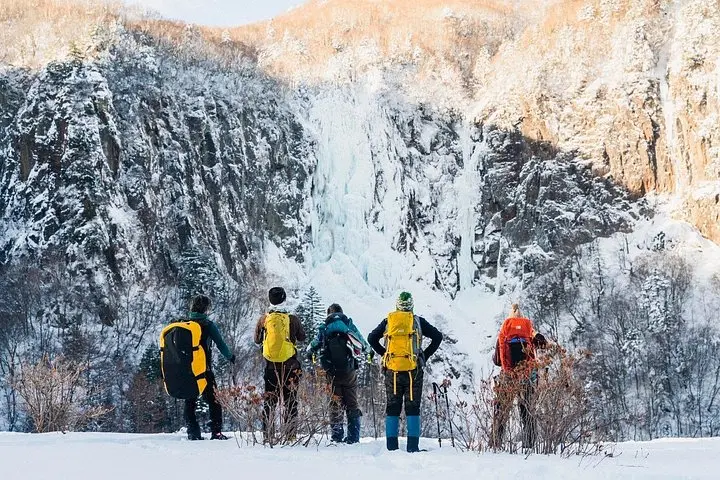
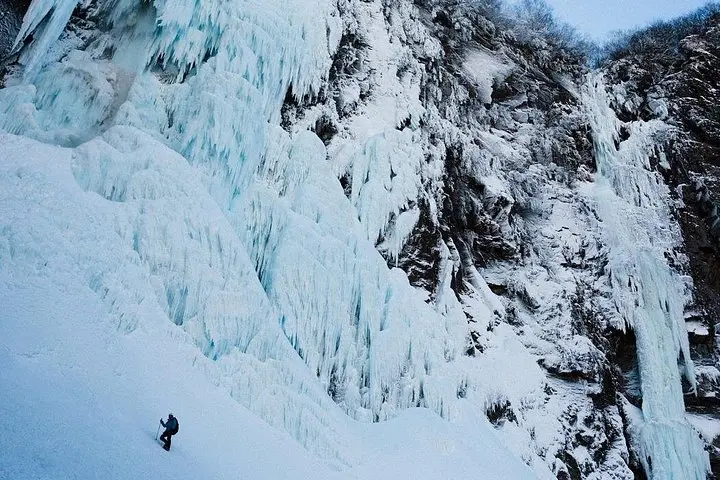
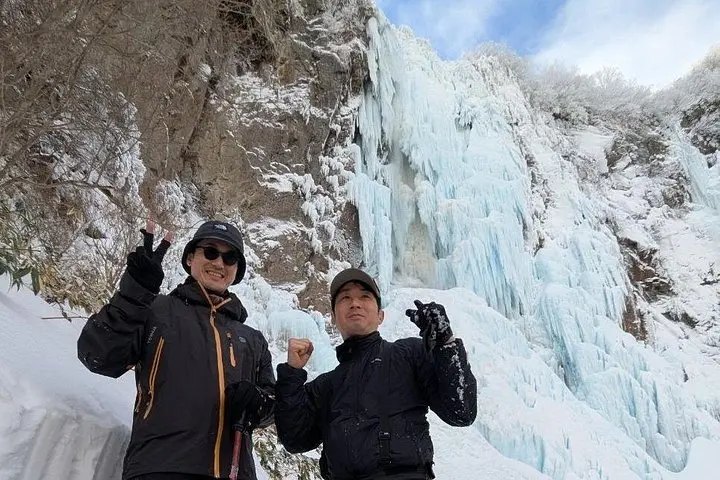
A wind-etched silence meets you as the snowcat eases through a threaded white forest toward Yonako Fudō. Trees bow under heavy snow, and the trailhead hovers at the edge of a high valley where cold air gathers like a held breath. From here, snowshoes click into place and the guide sets a steady rhythm across packed snow toward the 95‑meter Fudō Falls—frozen into a column of glass and shadow.
Verified experiences and guided adventures in the surrounding area.
Operated by ㈱山岳匠索社 · Nagano, Nagano Prefecture
A wind-etched silence meets you as the snowcat eases through a threaded white forest toward Yonako Fudō. Trees bow under heavy snow, and the trailhead hovers at the edge of a high valley where cold air gathers like a held breath. From here, snowshoes click into place and the guide sets a steady rhythm across packed snow toward the 95‑meter Fudō Falls—frozen into a column of glass and shadow.
The falls have been sacred for centuries; local pilgrims and temple guardians historically visited the Fudōji precincts below the ice. Geologically, the cascade pours from volcanic highlands, its frozen face shaped by winter flows and freeze–thaw cycles that create vertical rime and blue ice. Culturally the place links mountain worship with rural Nagano life—small shrines and the Nekodake hut anchor that human story.
Practicalities are straightforward: expect about 3 hours of snowshoeing with 230m elevation gain over roughly 1.5km of packed snow, two steep 30° sections protected by ropes, and temperatures commonly between −5°C and −15°C. The itinerary includes a 50‑minute snowcat ride and a warm lunch stop at Nekodake Mountain Hut with hot drinks and toilets.
For first‑timers this is accessible but not trivial—layers, traction, and respect for cold-weather pacing make the day enjoyable. Carry water, an insulated lunch, and a small personal emergency kit; follow the guide on the rope-secured slopes and plan for limited daylight in midwinter. The experience pairs a stark alpine landscape with clear logistical support—a compact, focused winter outing for curious hikers and photographers.
No—guides provide instruction and the route is suitable for beginners with moderate fitness, though you should be comfortable walking uphill for extended periods.
Yes—snowshoe rental is included; you may be offered poles and gaiters as needed.
Bring a high‑calorie, nonperishable lunch and an insulated container—hot drinks are available at Nekodake Hut but full meals are not served in winter.
Typical winter temperatures are −5°C to −15°C—prepare layered clothing, insulated boots, and hand warmers; the snowcat ride keeps travel between points comfortable.
㈱山岳匠索社 operates guided outdoor trips and adventures with an emphasis on safety, stewardship, and memorable experiences.
A wind-etched silence meets you as the snowcat eases through a threaded white forest toward Yonako Fudō. Trees bow under heavy snow, and the trailhead hovers at the edge of a high valley where cold air gathers like a held breath. From here, snowshoes click into place and the guide sets a steady rhythm across packed snow toward the 95‑meter Fudō Falls—frozen into a column of glass and shadow.
A wind-etched silence meets you as the snowcat eases through a threaded white forest toward Yonako Fudō. Trees bow under heavy snow, and the trailhead hovers at the edge of a high valley where cold air gathers like a held breath. From here, snowshoes click into place and the guide sets a steady rhythm across packed snow toward the 95‑meter Fudō Falls—frozen into a column of glass and shadow.
The falls have been sacred for centuries; local pilgrims and temple guardians historically visited the Fudōji precincts below the ice. Geologically, the cascade pours from volcanic highlands, its frozen face shaped by winter flows and freeze–thaw cycles that create vertical rime and blue ice. Culturally the place links mountain worship with rural Nagano life—small shrines and the Nekodake hut anchor that human story.
Practicalities are straightforward: expect about 3 hours of snowshoeing with 230m elevation gain over roughly 1.5km of packed snow, two steep 30° sections protected by ropes, and temperatures commonly between −5°C and −15°C. The itinerary includes a 50‑minute snowcat ride and a warm lunch stop at Nekodake Mountain Hut with hot drinks and toilets.
For first‑timers this is accessible but not trivial—layers, traction, and respect for cold-weather pacing make the day enjoyable. Carry water, an insulated lunch, and a small personal emergency kit; follow the guide on the rope-secured slopes and plan for limited daylight in midwinter. The experience pairs a stark alpine landscape with clear logistical support—a compact, focused winter outing for curious hikers and photographers.