THE ADVENTURE COLLECTIVE® · Independent discovery and booking for outdoor travel

Trade Seattle’s streets for a day on snow near Mount Rainier. Guided snowshoeing at Crystal Mountain pairs manageable winter hiking with gondola panoramas and mountain-safety instruction.
Trade Seattle’s streets for a day on snow near Mount Rainier. Guided snowshoeing at Crystal Mountain pairs manageable winter hiking with gondola panoramas and mountain-safety instruction.
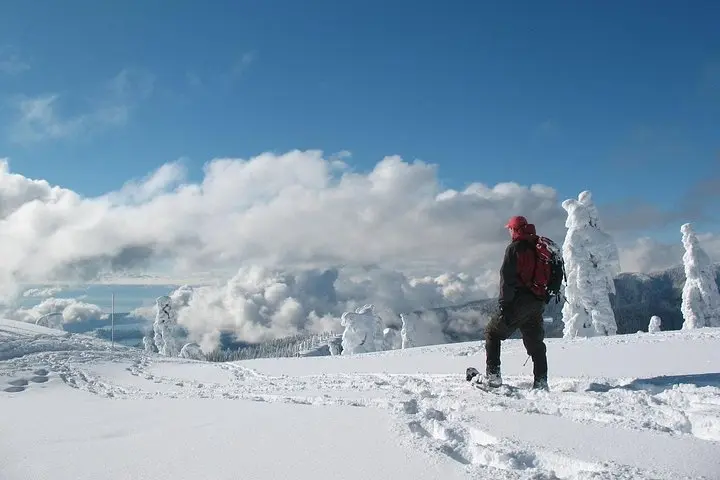
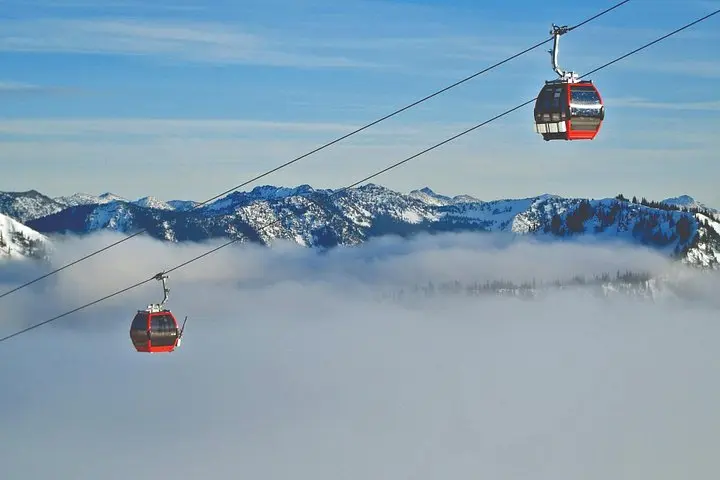
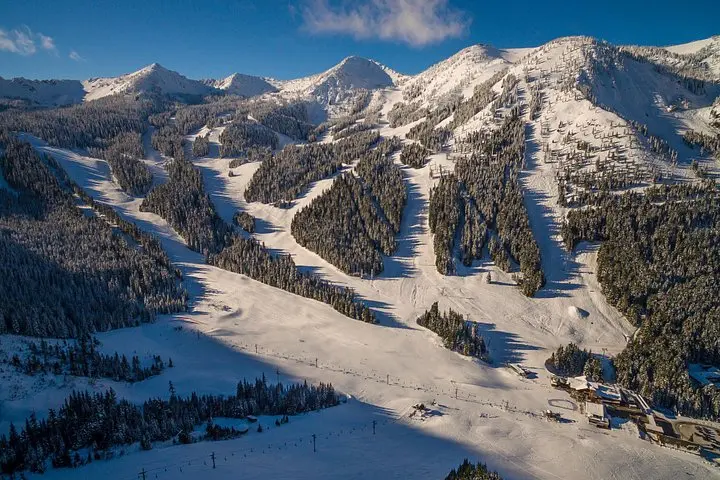
The day begins with the low hum of a van leaving downtown Seattle, the city folding behind you as evergreens push up against the horizon and Mount Rainier looms through breaks in the clouds. By the time you step onto the white crust at Crystal Mountain, the air bites and the landscape opens — wide bowls of snow, wind-sculpted ridgelines, and a gondola threaded up the slope like an arrow to a ridge.
Verified experiences and guided adventures in the surrounding area.
Operated by Adventures In Seattle · Crystal Mountain, Washington
The day begins with the low hum of a van leaving downtown Seattle, the city folding behind you as evergreens push up against the horizon and Mount Rainier looms through breaks in the clouds. By the time you step onto the white crust at Crystal Mountain, the air bites and the landscape opens — wide bowls of snow, wind-sculpted ridgelines, and a gondola threaded up the slope like an arrow to a ridge.
Crystal Mountain sits just outside Mount Rainier National Park on volcanic flanks carved by glaciers and time. The ski area ranges roughly between 4,000–6,800 feet, and its snowpack is prized for consistent powder; the gondola climbs about 2,400 feet and delivers expansive views of Rainier on clear days. The region’s logging and mining past gave way to outdoor recreation in the 20th century, and local guides bring practical mountain skills — route-finding, avalanche awareness and simple winter navigation — to first-time snowshoers.
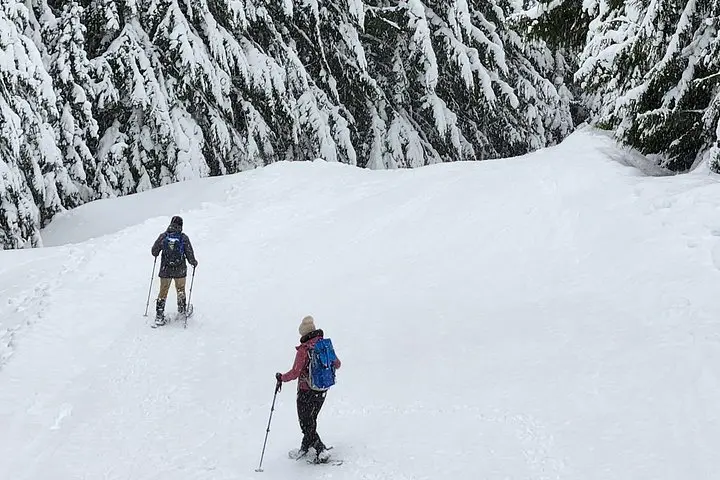
On a guided outing expect easy-to-moderate terrain on packed or fresh snow, short uphill pitches and scenic ridge traverses. Guides provide snowshoes and poles, and instruction on efficient stride and kick-turns; a post-hike option to ride the gondola makes a good warm-up or wind-down. Practical notes: layer for quickly changing conditions, carry water and snacks, and plan for shorter daylight hours in winter. If venturing further from marked routes, ask your guide about avalanche terrain and consider renting a beacon, shovel and probe.
This trip balances approachable winter movement with real backcountry awareness, making it a strong option for anyone wanting to trade city sidewalks for alpine silence without complicated logistics.
Yes — guided tours typically supply snowshoes and trekking poles; bring compatible boots and warm socks.
No — the gondola is an optional, separately purchased ride at the resort ticket window.
Temperatures vary with elevation and wind; dress in layers with a waterproof outer layer and carry an insulated jacket for breaks.
Guides have avalanche training and route knowledge; if you plan to travel outside guided zones, carry beacon, probe and shovel and have basic avalanche education.
Adventures In Seattle operates guided outdoor trips and adventures with an emphasis on safety, stewardship, and memorable experiences.
The day begins with the low hum of a van leaving downtown Seattle, the city folding behind you as evergreens push up against the horizon and Mount Rainier looms through breaks in the clouds. By the time you step onto the white crust at Crystal Mountain, the air bites and the landscape opens — wide bowls of snow, wind-sculpted ridgelines, and a gondola threaded up the slope like an arrow to a ridge.
The day begins with the low hum of a van leaving downtown Seattle, the city folding behind you as evergreens push up against the horizon and Mount Rainier looms through breaks in the clouds. By the time you step onto the white crust at Crystal Mountain, the air bites and the landscape opens — wide bowls of snow, wind-sculpted ridgelines, and a gondola threaded up the slope like an arrow to a ridge.
Crystal Mountain sits just outside Mount Rainier National Park on volcanic flanks carved by glaciers and time. The ski area ranges roughly between 4,000–6,800 feet, and its snowpack is prized for consistent powder; the gondola climbs about 2,400 feet and delivers expansive views of Rainier on clear days. The region’s logging and mining past gave way to outdoor recreation in the 20th century, and local guides bring practical mountain skills — route-finding, avalanche awareness and simple winter navigation — to first-time snowshoers.
On a guided outing expect easy-to-moderate terrain on packed or fresh snow, short uphill pitches and scenic ridge traverses. Guides provide snowshoes and poles, and instruction on efficient stride and kick-turns; a post-hike option to ride the gondola makes a good warm-up or wind-down. Practical notes: layer for quickly changing conditions, carry water and snacks, and plan for shorter daylight hours in winter. If venturing further from marked routes, ask your guide about avalanche terrain and consider renting a beacon, shovel and probe.
This trip balances approachable winter movement with real backcountry awareness, making it a strong option for anyone wanting to trade city sidewalks for alpine silence without complicated logistics.