THE ADVENTURE COLLECTIVE® · Independent discovery and booking for outdoor travel

Clip in at Taino Ranch and launch over jungle ridges, long zip lines, and karst cave cenotes. This Punta Cana zipline pairs adrenaline with cultural stops—ATV trails, cocoa and coffee tastings, and a cooling cenote dip.
Clip in at Taino Ranch and launch over jungle ridges, long zip lines, and karst cave cenotes. This Punta Cana zipline pairs adrenaline with cultural stops—ATV trails, cocoa and coffee tastings, and a cooling cenote dip.
The harness clicks, the guide gives a short nod, and the world tilts into motion: below, a stitched green roof of tropical forest sends up flashes of hummingbird and sunlight; ahead, the line disappears toward a distant platform that seems to float above the ridge. This is not the seaside postcard most travelers expect from Punta Cana. It’s the quieter spine of low mountains and limestone forest that frames the eastern shore — and these zip lines let you fly through it.
Verified experiences and guided adventures in the surrounding area.
Operated by Tropical Thrills · Punta Cana, La Altagracia
The harness clicks, the guide gives a short nod, and the world tilts into motion: below, a stitched green roof of tropical forest sends up flashes of hummingbird and sunlight; ahead, the line disappears toward a distant platform that seems to float above the ridge. This is not the seaside postcard most travelers expect from Punta Cana. It’s the quieter spine of low mountains and limestone forest that frames the eastern shore — and these zip lines let you fly through it.
You start at Taino Ranch, an old cattle track turned adventure hub, where guides walk you through safety and the local stories. The route threads across platforms placed in mature canopy and over secondary growth, with runs ranging from short, adrenal bursts to longer stretches that push 200–300 meters and perch as high as 60 meters above the forest floor. Between zips, the itinerary pushes inland: rocky trails to Macau Beach, a cold dip in a limestone cenote inside the so-called "Taino cave," and a stop at a typical house for free coffee and chocolate tastings that trace the island’s agricultural roots.
Those caves and sinkholes are carved from Miocene limestone; water over millennia hollowed out hollows that the Taino people once used for ceremony and shelter. Cocoa and coffee cultivation followed European contact, but both plants have older ties to Caribbean culture — tasting beans on-site connects the zipline’s rush with the island’s lived history.
Practical guidance matters here as much as the view. Tours run 3–4 hours door-to-door with hotel pickup; expect 30–60 minutes of transfers depending on where you’re staying. Guides are certified and equipment is maintained to industry standards. The course suits first-timers and repeat thrill-seekers alike: lines are managed with dual belay and helmet use, and instructors brief each rider on braking and body position.
Plan for heat and humidity: morning slots deliver crisper light, cooler air and cleaner photos. Wear closed-toe shoes with good grip; a light long-sleeve can cut insects and sun on open platforms. Bring a small daypack with water, insect repellent, and a phone secured on a lanyard or action-camera set to hands-free — the best shots are taken while flying. Note restrictions: not recommended for pregnant travelers or those with serious back problems.
Beyond the ropes, honor the landscape: follow guides, avoid stray trails that damage undergrowth, and skip feeding wildlife. After a run, a slow cup of locally produced coffee tastes like the trip distilled — the island in a single, warm sip.
Most operators allow children with adult supervision and have specific weight limits for safety—confirm exact age/weight limits when you book.
No prior experience is required; guides provide instruction and safety briefings before each line.
Yes—phones and action cameras are allowed but must be secured with a strap or mount; guides may also offer photo services.
Tours typically run in light rain, but operators may reschedule or refund if conditions become unsafe; check cancellation policy when booking.
Private hotel pickup and drop-off is included; pickup usually begins 45–60 minutes before the scheduled start time.
The supplier lists wheelchair-accessible transportation and surfaces for parts of the facility, but the zipline platforms and cave dip require mobility—contact the operator to discuss needs.
Tropical Thrills operates guided outdoor trips and adventures with an emphasis on safety, stewardship, and memorable experiences.
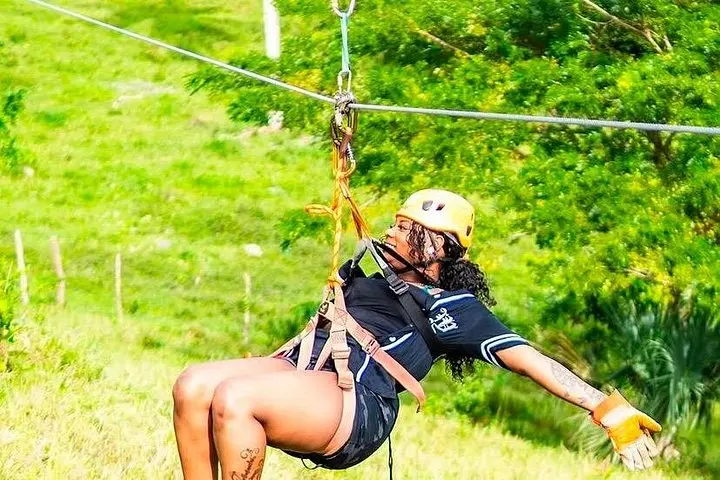
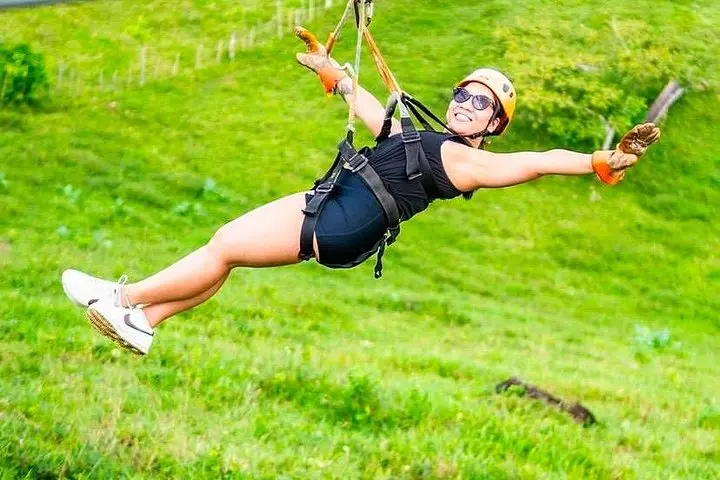
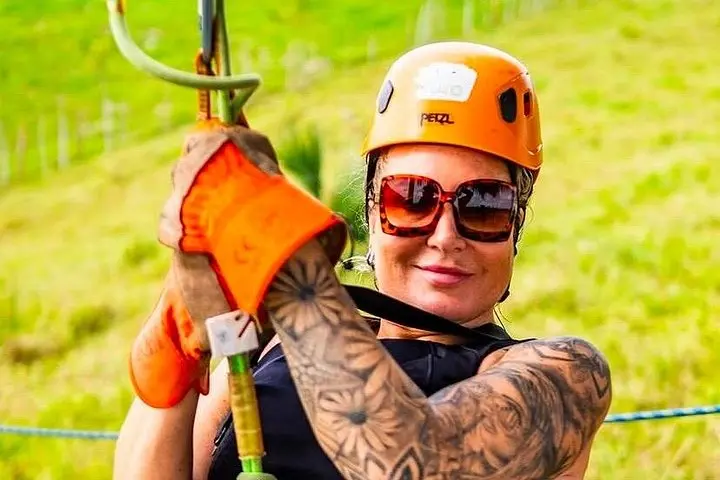
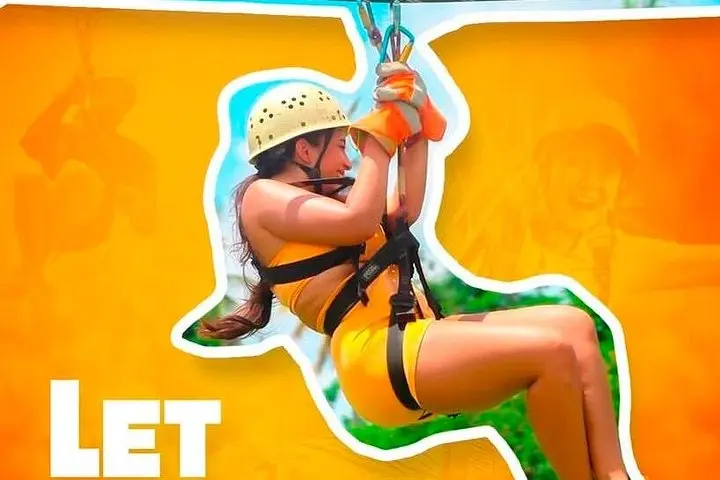
The harness clicks, the guide gives a short nod, and the world tilts into motion: below, a stitched green roof of tropical forest sends up flashes of hummingbird and sunlight; ahead, the line disappears toward a distant platform that seems to float above the ridge. This is not the seaside postcard most travelers expect from Punta Cana. It’s the quieter spine of low mountains and limestone forest that frames the eastern shore — and these zip lines let you fly through it.
The harness clicks, the guide gives a short nod, and the world tilts into motion: below, a stitched green roof of tropical forest sends up flashes of hummingbird and sunlight; ahead, the line disappears toward a distant platform that seems to float above the ridge. This is not the seaside postcard most travelers expect from Punta Cana. It’s the quieter spine of low mountains and limestone forest that frames the eastern shore — and these zip lines let you fly through it.
You start at Taino Ranch, an old cattle track turned adventure hub, where guides walk you through safety and the local stories. The route threads across platforms placed in mature canopy and over secondary growth, with runs ranging from short, adrenal bursts to longer stretches that push 200–300 meters and perch as high as 60 meters above the forest floor. Between zips, the itinerary pushes inland: rocky trails to Macau Beach, a cold dip in a limestone cenote inside the so-called "Taino cave," and a stop at a typical house for free coffee and chocolate tastings that trace the island’s agricultural roots.
Those caves and sinkholes are carved from Miocene limestone; water over millennia hollowed out hollows that the Taino people once used for ceremony and shelter. Cocoa and coffee cultivation followed European contact, but both plants have older ties to Caribbean culture — tasting beans on-site connects the zipline’s rush with the island’s lived history.
Practical guidance matters here as much as the view. Tours run 3–4 hours door-to-door with hotel pickup; expect 30–60 minutes of transfers depending on where you’re staying. Guides are certified and equipment is maintained to industry standards. The course suits first-timers and repeat thrill-seekers alike: lines are managed with dual belay and helmet use, and instructors brief each rider on braking and body position.
Plan for heat and humidity: morning slots deliver crisper light, cooler air and cleaner photos. Wear closed-toe shoes with good grip; a light long-sleeve can cut insects and sun on open platforms. Bring a small daypack with water, insect repellent, and a phone secured on a lanyard or action-camera set to hands-free — the best shots are taken while flying. Note restrictions: not recommended for pregnant travelers or those with serious back problems.
Beyond the ropes, honor the landscape: follow guides, avoid stray trails that damage undergrowth, and skip feeding wildlife. After a run, a slow cup of locally produced coffee tastes like the trip distilled — the island in a single, warm sip.