THE ADVENTURE COLLECTIVE® · Independent discovery and booking for outdoor travel

Launch from Pedra Bonita and glide 8–16 minutes above Rio’s jungle-meets-city coastline before landing on São Conrado’s white sand. This tandem hang-gliding tour pairs brief instruction, high-altitude views, and a weather-dependent flight over landmark panoramas.
Launch from Pedra Bonita and glide 8–16 minutes above Rio’s jungle-meets-city coastline before landing on São Conrado’s white sand. This tandem hang-gliding tour pairs brief instruction, high-altitude views, and a weather-dependent flight over landmark panoramas.
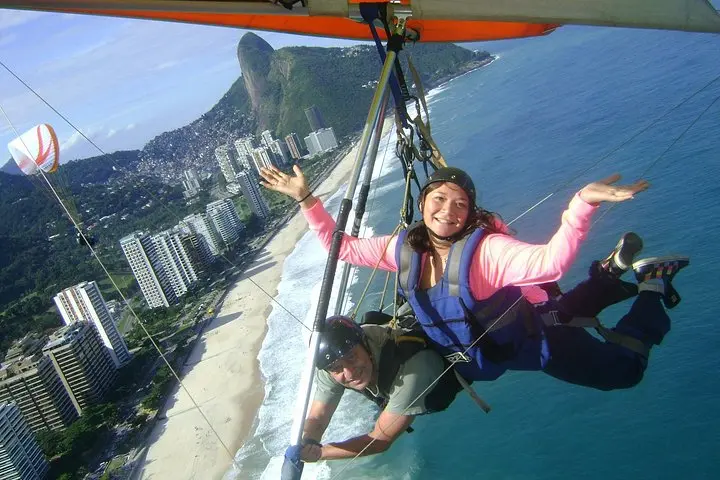
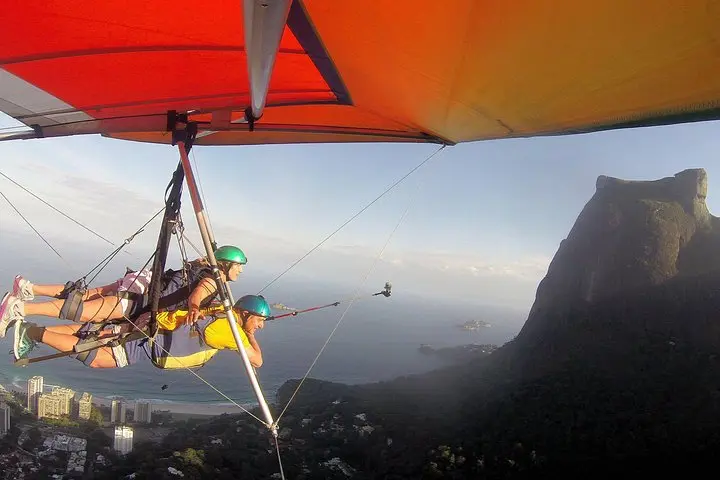
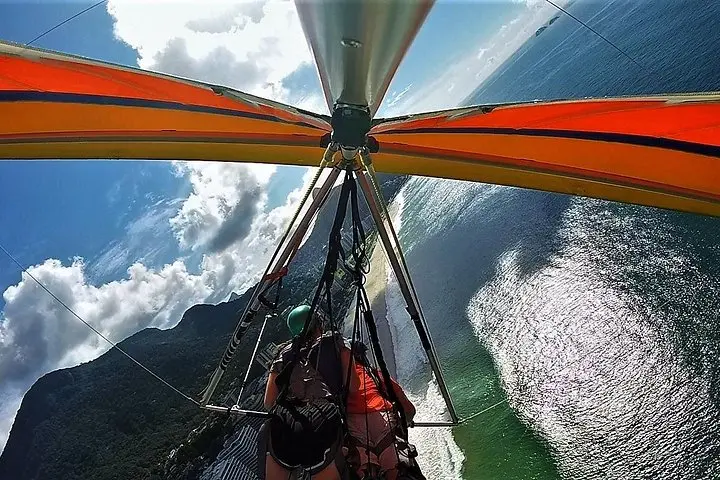
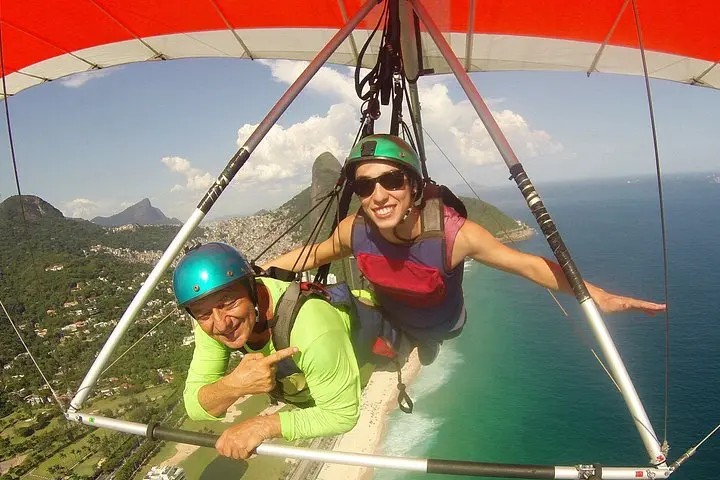
Sunlight splits through the Tijuca canopy as pilots and passengers make the short walk to the Pedra Bonita ramp. The forest exhales a humid breath; the Atlantic wind already tugs at the wings. In a few minutes you step to the edge, run with the pilot and the city falls away beneath you—an 8–16 minute flight over jungle, housing pockets, and the glittering curve of São Conrado beach.
Verified experiences and guided adventures in the surrounding area.
Operated by Hang Gliding Tour · Rio de Janeiro, Rio de Janeiro
Sunlight splits through the Tijuca canopy as pilots and passengers make the short walk to the Pedra Bonita ramp. The forest exhales a humid breath; the Atlantic wind already tugs at the wings. In a few minutes you step to the edge, run with the pilot and the city falls away beneath you—an 8–16 minute flight over jungle, housing pockets, and the glittering curve of São Conrado beach.
The launch site sits on Pedra Bonita, a low granite outcrop carved by coastal uplift and shaped by wind and rain. The Tijuca National Forest is a reforested urban reserve with roots in 19th-century restoration efforts to protect water supplies; today it protects steep trails and viewpoints above Rio's south zone. From the air, landmarks—Sugarloaf, Cristo Redentor on Corcovado, and the serried berms of the coastline—become legible, while the landing zone on São Conrado’s white sand turns the flight into a soft, cinematic finish.
Practically: plan for a 3-hour activity window that includes transport, briefing, and the flight. Wear sturdy closed-toe shoes for the approach to the ramp and a windproof layer; secure loose items. Flights are weather-dependent and weight- and age-restricted—operators run preflight checks, provide helmets, and often a reserve parachute. Use taxi or ride-hail to the meeting point, carry ID or passport as requested, and avoid alcohol before flying.
For travelers, the experience balances low exertion with a high sensory charge—an aerial slice of Rio that is both approachable for first-timers and uncompromising in its views.
No prior experience is required; flights are tandem with a certified pilot who handles launch, flight, and landing.
Flights are weather-dependent; if canceled you’ll be offered an alternative date or a full refund according to the operator’s policy.
The airborne portion is usually 8–16 minutes; allow about 2–3 hours for briefing, transport, and return logistics.
A valid passport or government ID is commonly required on the day; minors may need parental consent or accompaniment depending on age.
Hang Gliding Tour operates guided outdoor trips and adventures with an emphasis on safety, stewardship, and memorable experiences.
Sunlight splits through the Tijuca canopy as pilots and passengers make the short walk to the Pedra Bonita ramp. The forest exhales a humid breath; the Atlantic wind already tugs at the wings. In a few minutes you step to the edge, run with the pilot and the city falls away beneath you—an 8–16 minute flight over jungle, housing pockets, and the glittering curve of São Conrado beach.
Sunlight splits through the Tijuca canopy as pilots and passengers make the short walk to the Pedra Bonita ramp. The forest exhales a humid breath; the Atlantic wind already tugs at the wings. In a few minutes you step to the edge, run with the pilot and the city falls away beneath you—an 8–16 minute flight over jungle, housing pockets, and the glittering curve of São Conrado beach.
The launch site sits on Pedra Bonita, a low granite outcrop carved by coastal uplift and shaped by wind and rain. The Tijuca National Forest is a reforested urban reserve with roots in 19th-century restoration efforts to protect water supplies; today it protects steep trails and viewpoints above Rio's south zone. From the air, landmarks—Sugarloaf, Cristo Redentor on Corcovado, and the serried berms of the coastline—become legible, while the landing zone on São Conrado’s white sand turns the flight into a soft, cinematic finish.
Practically: plan for a 3-hour activity window that includes transport, briefing, and the flight. Wear sturdy closed-toe shoes for the approach to the ramp and a windproof layer; secure loose items. Flights are weather-dependent and weight- and age-restricted—operators run preflight checks, provide helmets, and often a reserve parachute. Use taxi or ride-hail to the meeting point, carry ID or passport as requested, and avoid alcohol before flying.
For travelers, the experience balances low exertion with a high sensory charge—an aerial slice of Rio that is both approachable for first-timers and uncompromising in its views.