THE ADVENTURE COLLECTIVE® · Independent discovery and booking for outdoor travel

Lift off from Troutdale and circle the scarred bowl of Mt. St. Helens on a one-hour air tour that places you above the 1980 eruption zone, the Columbia River Gorge, and the distant cone of Mount Hood. Weather-dependent and intimate, this flight offers geological perspective and photography opportunities few other views can match.
Lift off from Troutdale and circle the scarred bowl of Mt. St. Helens on a one-hour air tour that places you above the 1980 eruption zone, the Columbia River Gorge, and the distant cone of Mount Hood. Weather-dependent and intimate, this flight offers geological perspective and photography opportunities few other views can match.
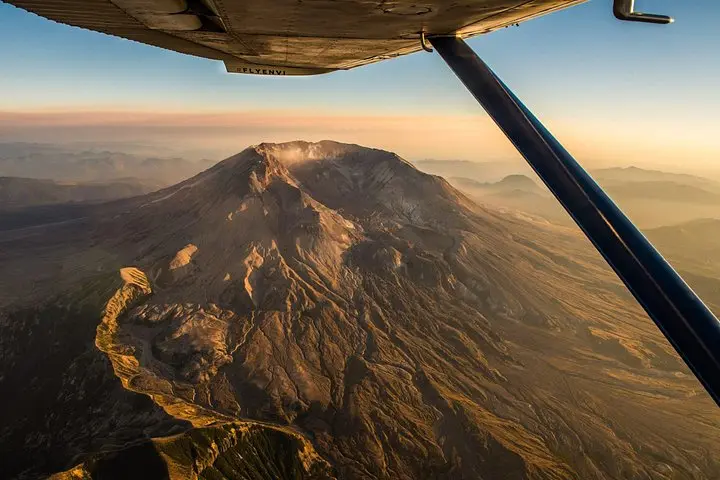
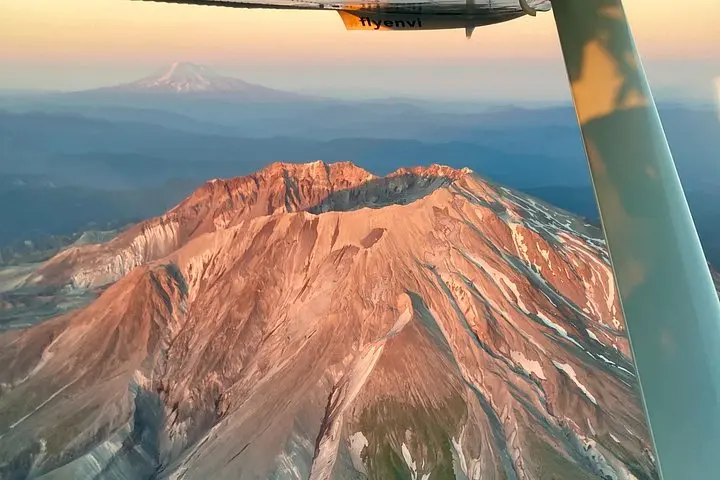
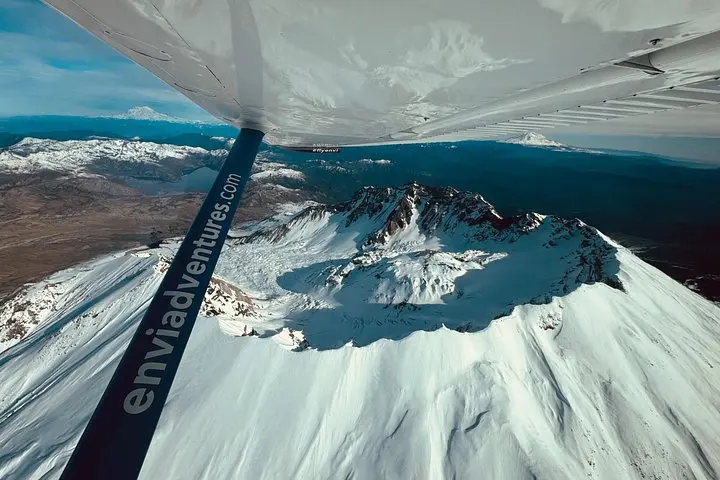
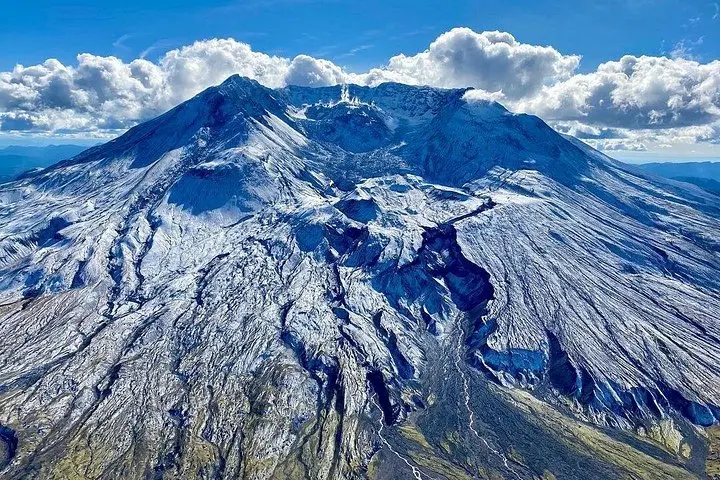
You taxi along a sun-warmed apron in a small four-seater; the pilot runs through a quick checklist and the airplane’s propeller becomes a steady pulse. Troutdale’s low buildings fall away and suddenly the Columbia River Gorge opens like a ripped curtain — cliffs dropping, rivers daring you with whitewater braided through basalt. The plane banks, and Mt. St. Helens comes into view: a jagged, bowl-shaped crater rimmed with old snow and a moonscape of pumice and fallen trees.
Verified experiences and guided adventures in the surrounding area.
Operated by Envi Adventures, LLC · Troutdale, Oregon
You taxi along a sun-warmed apron in a small four-seater; the pilot runs through a quick checklist and the airplane’s propeller becomes a steady pulse. Troutdale’s low buildings fall away and suddenly the Columbia River Gorge opens like a ripped curtain — cliffs dropping, rivers daring you with whitewater braided through basalt. The plane banks, and Mt. St. Helens comes into view: a jagged, bowl-shaped crater rimmed with old snow and a moonscape of pumice and fallen trees.
From the air the 1980 eruption reads like a map of violence and renewal. The north face sheared off, sending a lateral blast that flattened forests for miles and created a fan of debris that still shows in satellite imagery. Geologically, the volcano is young, restless and an object lesson in plate tectonics — the Cascade Range formed where the Juan de Fuca Plate dives beneath North America. Human history here is recent and raw: communities rebuilt downstream, scientists set up monitoring networks, and the Mount St. Helens National Volcanic Monument protects the evolving landscape.
The route climbs above the Columbia River Gorge for context — you’ll see the sweep of the canyon, tiny highways clinging to cliffs, and Portland's skyline shrinking beneath Mount Hood’s distant cone. The pilot circles the crater for unobstructed photo windows and points out Spirit Lake, a surreal patch of water dotted with log mats that hint at the eruption’s force. On clear days, you can track ash deposits and channels carved by lahars; on moody, low-visibility days, clouds tuck the mountain into itself and the trip becomes an intimate study of light and shadow.
Practically: this is a weather-driven experience. Expect flexibility — tours can be rerouted or canceled for safety. Book mornings in late spring through early fall for the best visibility; bring layers for wind on the ramp and steadier cabin temperature during flight. The operator limits group weight and requires passenger weights at booking, so have those ready. For photographers, fast lenses and extra batteries matter; the small aircraft has big windows but limited room to move.
This flight is less about adrenaline than perspective: you’re suspended between human scale and geologic time, watching forests recover, rivers reroute, and a volcano that refuses to be quiet. Return to the ground with a sharper sense of how quickly landscapes change — and a long roll of images that no ground-level viewpoint can match.
The advertised flight time is approximately 60 minutes, though exact routing and time can change slightly depending on weather and air traffic.
Yes — the operator enforces group and individual weight limits and requires weights at booking; failure to provide accurate weights can result in cancellation or rescheduling fees.
Tours are highly weather-dependent; flights may be rerouted, delayed, or canceled for safety. Book with flexible plans and check the operator’s cancellation/rescheduling policy.
Children are allowed but infants must sit on an adult’s lap. The aircraft is small, so consider noise and comfort for young passengers.
The listing notes wheelchair accessibility for ground facilities, but small-aircraft boarding can still be challenging; contact the operator ahead of time to discuss specific mobility needs.
On clear days you’ll get excellent overhead views of the crater and interior deposits; visibility depends on weather, smoke, and cloud cover.
Envi Adventures, LLC operates guided outdoor trips and adventures with an emphasis on safety, stewardship, and memorable experiences.
You taxi along a sun-warmed apron in a small four-seater; the pilot runs through a quick checklist and the airplane’s propeller becomes a steady pulse. Troutdale’s low buildings fall away and suddenly the Columbia River Gorge opens like a ripped curtain — cliffs dropping, rivers daring you with whitewater braided through basalt. The plane banks, and Mt. St. Helens comes into view: a jagged, bowl-shaped crater rimmed with old snow and a moonscape of pumice and fallen trees.
You taxi along a sun-warmed apron in a small four-seater; the pilot runs through a quick checklist and the airplane’s propeller becomes a steady pulse. Troutdale’s low buildings fall away and suddenly the Columbia River Gorge opens like a ripped curtain — cliffs dropping, rivers daring you with whitewater braided through basalt. The plane banks, and Mt. St. Helens comes into view: a jagged, bowl-shaped crater rimmed with old snow and a moonscape of pumice and fallen trees.
From the air the 1980 eruption reads like a map of violence and renewal. The north face sheared off, sending a lateral blast that flattened forests for miles and created a fan of debris that still shows in satellite imagery. Geologically, the volcano is young, restless and an object lesson in plate tectonics — the Cascade Range formed where the Juan de Fuca Plate dives beneath North America. Human history here is recent and raw: communities rebuilt downstream, scientists set up monitoring networks, and the Mount St. Helens National Volcanic Monument protects the evolving landscape.
The route climbs above the Columbia River Gorge for context — you’ll see the sweep of the canyon, tiny highways clinging to cliffs, and Portland's skyline shrinking beneath Mount Hood’s distant cone. The pilot circles the crater for unobstructed photo windows and points out Spirit Lake, a surreal patch of water dotted with log mats that hint at the eruption’s force. On clear days, you can track ash deposits and channels carved by lahars; on moody, low-visibility days, clouds tuck the mountain into itself and the trip becomes an intimate study of light and shadow.
Practically: this is a weather-driven experience. Expect flexibility — tours can be rerouted or canceled for safety. Book mornings in late spring through early fall for the best visibility; bring layers for wind on the ramp and steadier cabin temperature during flight. The operator limits group weight and requires passenger weights at booking, so have those ready. For photographers, fast lenses and extra batteries matter; the small aircraft has big windows but limited room to move.
This flight is less about adrenaline than perspective: you’re suspended between human scale and geologic time, watching forests recover, rivers reroute, and a volcano that refuses to be quiet. Return to the ground with a sharper sense of how quickly landscapes change — and a long roll of images that no ground-level viewpoint can match.