THE ADVENTURE COLLECTIVE® · Independent discovery and booking for outdoor travel

Walk the National Mall at a measured pace—past the White House, war memorials, and the Lincoln Memorial—guided for distance-conscious visitors. This four-hour tour pairs civic history with practical routing and accessibility-minded stops.
Walk the National Mall at a measured pace—past the White House, war memorials, and the Lincoln Memorial—guided for distance-conscious visitors. This four-hour tour pairs civic history with practical routing and accessibility-minded stops.
You step out in front of the White House Gift Shop as the city exhales into the wide green of the National Mall. Stately elms and maples line the walk; stone memorials loom like patient hosts, their inscriptions pulling the eye and slowing the pace. The tour threads from the executive mansion across open lawn toward the Vietnam and Korean War memorials, then across to the Lincoln Memorial—each stop an architectural chapter in the nation's public story.
Verified experiences and guided adventures in the surrounding area.
Operated by DC Daily Tours LLC · Washington, District of Columbia
You step out in front of the White House Gift Shop as the city exhales into the wide green of the National Mall. Stately elms and maples line the walk; stone memorials loom like patient hosts, their inscriptions pulling the eye and slowing the pace. The tour threads from the executive mansion across open lawn toward the Vietnam and Korean War memorials, then across to the Lincoln Memorial—each stop an architectural chapter in the nation's public story.
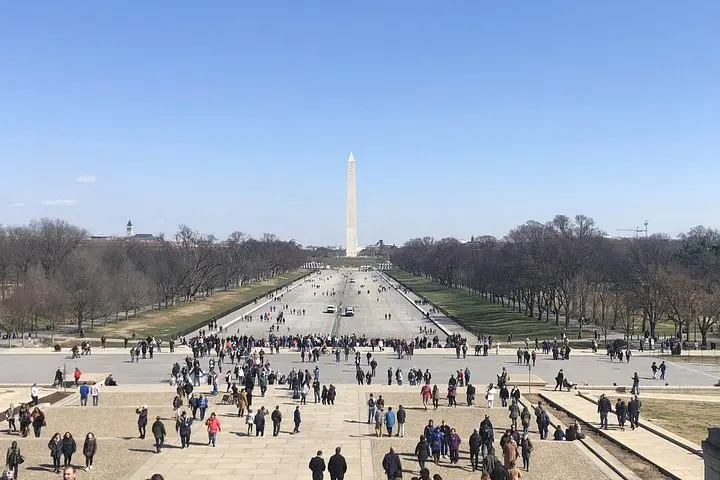
The Mall is a planned civic spine: Pierre L'Enfant's 1791 grid extended by the McMillan Plan of 1901 to create vistas and public space. Geologically this is a low-lying Potomac floodplain—sand and silt laid down by ancient river action—so surfaces are primarily compacted soil, lawns and paved promenades. Culturally, the Mall functions as a stage for ceremony, protest, and pilgrimage; statues and plazas record decades of American memory while contemporary events continually remake its meaning.
Practical guidance is straightforward: expect up to four hours of walking on mostly flat, paved or packed surfaces with frequent stops. Wear supportive shoes, carry water and a mask if you prefer extra distance from crowds, and plan bathroom breaks at the museums or public facilities. Morning and late afternoon bring cooler temperatures and softer light for photography; mid-day is busiest.
A professional guide leads small groups, focusing on accessible viewpoints and historical context rather than museum interiors. For planners: use Metro or bus routes to the White House area, leave large bags behind, and check the National Park Service for closures on federal holidays.
The tour meets in front of the White House Gift Shop on Pennsylvania Avenue—arrive 10–15 minutes early to check in with the guide.
Strollers are allowed and many sections are wheelchair accessible on paved routes, but check with operators for specific accessibility accommodations and any route changes.
Tours may be canceled for severe weather; check the operator's cancellation policy and local forecasts—bring rain gear for light showers.
Admissions are not included; the tour focuses on exterior monuments and public spaces rather than interior museum visits.
DC Daily Tours LLC operates guided outdoor trips and adventures with an emphasis on safety, stewardship, and memorable experiences.
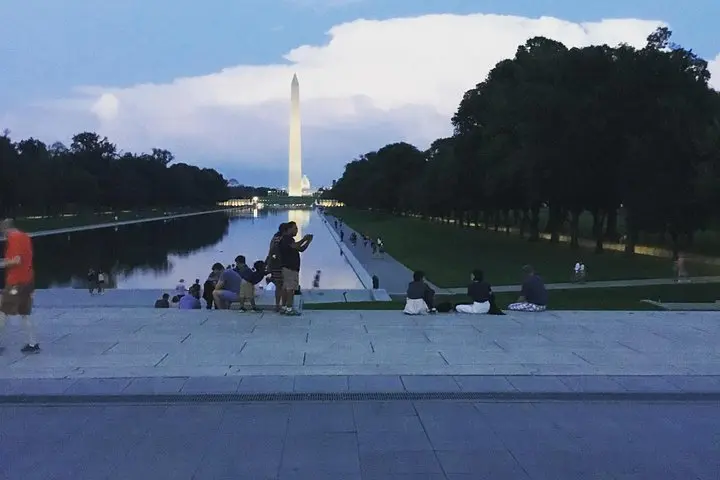
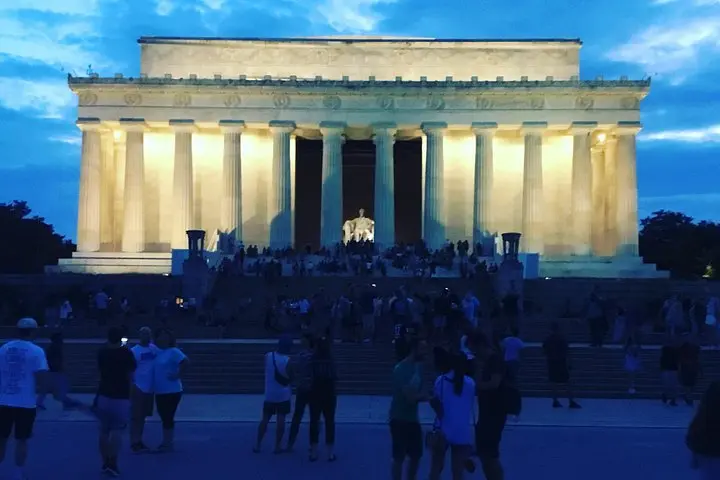
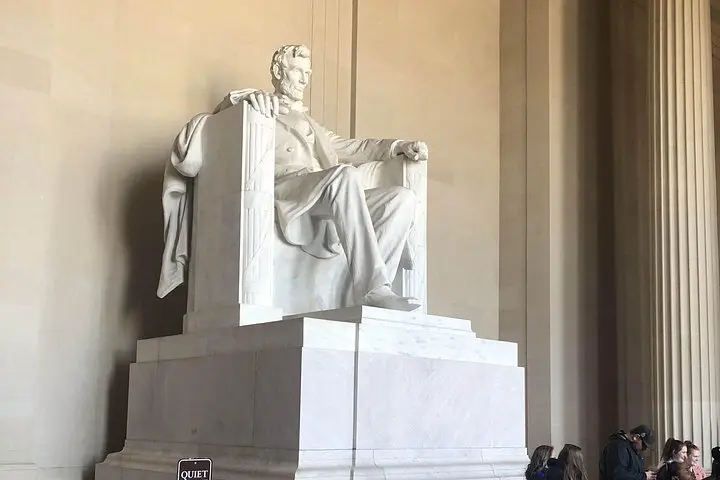
You step out in front of the White House Gift Shop as the city exhales into the wide green of the National Mall. Stately elms and maples line the walk; stone memorials loom like patient hosts, their inscriptions pulling the eye and slowing the pace. The tour threads from the executive mansion across open lawn toward the Vietnam and Korean War memorials, then across to the Lincoln Memorial—each stop an architectural chapter in the nation's public story.
You step out in front of the White House Gift Shop as the city exhales into the wide green of the National Mall. Stately elms and maples line the walk; stone memorials loom like patient hosts, their inscriptions pulling the eye and slowing the pace. The tour threads from the executive mansion across open lawn toward the Vietnam and Korean War memorials, then across to the Lincoln Memorial—each stop an architectural chapter in the nation's public story.
The Mall is a planned civic spine: Pierre L'Enfant's 1791 grid extended by the McMillan Plan of 1901 to create vistas and public space. Geologically this is a low-lying Potomac floodplain—sand and silt laid down by ancient river action—so surfaces are primarily compacted soil, lawns and paved promenades. Culturally, the Mall functions as a stage for ceremony, protest, and pilgrimage; statues and plazas record decades of American memory while contemporary events continually remake its meaning.
Practical guidance is straightforward: expect up to four hours of walking on mostly flat, paved or packed surfaces with frequent stops. Wear supportive shoes, carry water and a mask if you prefer extra distance from crowds, and plan bathroom breaks at the museums or public facilities. Morning and late afternoon bring cooler temperatures and softer light for photography; mid-day is busiest.
A professional guide leads small groups, focusing on accessible viewpoints and historical context rather than museum interiors. For planners: use Metro or bus routes to the White House area, leave large bags behind, and check the National Park Service for closures on federal holidays.