THE ADVENTURE COLLECTIVE® · Independent discovery and booking for outdoor travel

Spend a day moving from Sofia’s historical core to the forested slopes of Vitosha. This guided tour combines city walking with a panoramic drive, a traditional mountain lunch, and a visit to the UNESCO-listed Boyana Church.
Spend a day moving from Sofia’s historical core to the forested slopes of Vitosha. This guided tour combines city walking with a panoramic drive, a traditional mountain lunch, and a visit to the UNESCO-listed Boyana Church.
A crisp morning in Sofia begins under the domes of the Russian Church, where sunlight bounces off gold and stone and the city exhales into a wide, walkable center. The guide leads a steady route past Roman ruins and Soviet-era boulevards, pausing at the rotunda of St. George and the monumental face of Aleksander Nevski before the group slips into a private vehicle bound for the greener flank of town.
Verified experiences and guided adventures in the surrounding area.
Operated by Tempora Travel Day Tours Bulgaria & The Balkans · Sofia, Sofia City Province
A crisp morning in Sofia begins under the domes of the Russian Church, where sunlight bounces off gold and stone and the city exhales into a wide, walkable center. The guide leads a steady route past Roman ruins and Soviet-era boulevards, pausing at the rotunda of St. George and the monumental face of Aleksander Nevski before the group slips into a private vehicle bound for the greener flank of town.
The drive to Vitosha climbs from urban pavement into a forested shoulder of the mountain range that frames Sofia. Geologically, Vitosha is a granite massif with rounded ridgelines and steep river valleys carved by millennia of frost and runoff; on clear days the panorama stretches to the Balkan chain. Culturally the day pivots from Bulgaria’s layered past — Roman Serdica, Ottoman neighborhoods, 19th-century Revival architecture — to Boyana Church, whose 11th–13th century frescoes are a rare, well-preserved window into medieval Orthodox art.
Expect easy-to-moderate walking around the central sites and short, unhurried strolls at Boyana; most travel is by private transport. Bring layers for the microclimate shift as the mountain can be several degrees cooler and windier than the city, and plan lunch at a mountain garden where traditional dishes are part of the local hospitality.
Practical notes: wear comfortable walking shoes, carry a refillable water bottle, and allow time for photography at the panorama stop — this route gives a concise, tangible introduction to Sofia’s history and the accessible wild edge of Vitosha.
Expect a moderate amount of walking—short loops in the city center and a brief walk at Boyana; most transit is by private vehicle.
The tour includes a mountain-side lunch stop, typically at a local garden-style restaurant on Vitosha’s foothills.
Admission policies can vary; the guide provides information and arranges the visit, but verify if entrance fees are included at booking.
Yes—tour notes indicate infant seats are available and the pace is family-friendly, but include children's details at booking.
Tempora Travel Day Tours Bulgaria & The Balkans operates guided outdoor trips and adventures with an emphasis on safety, stewardship, and memorable experiences.
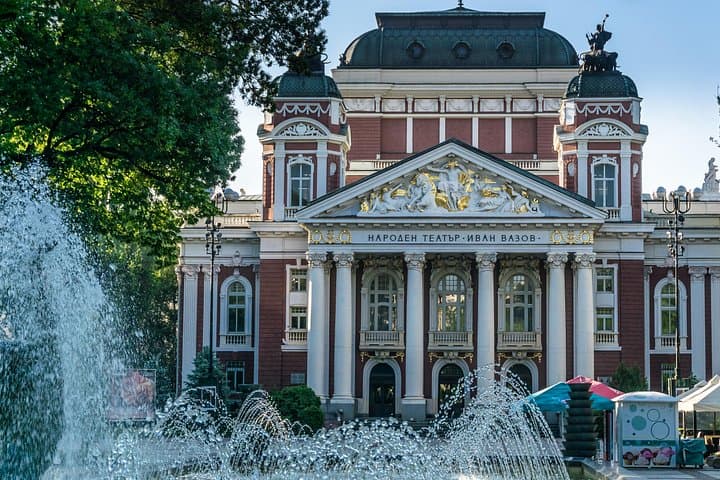
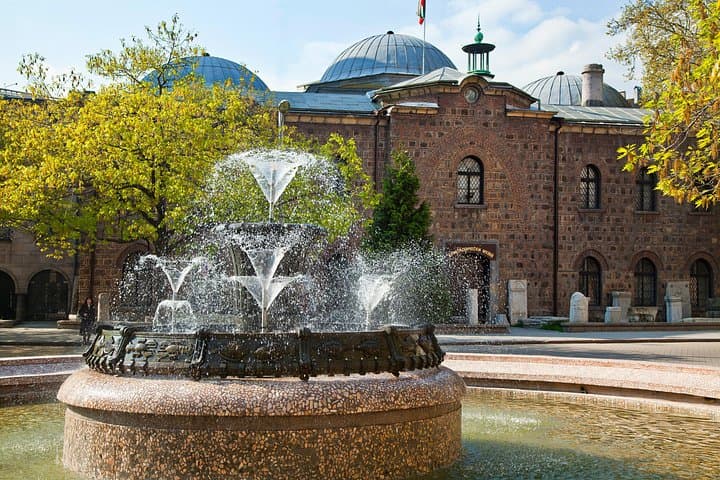
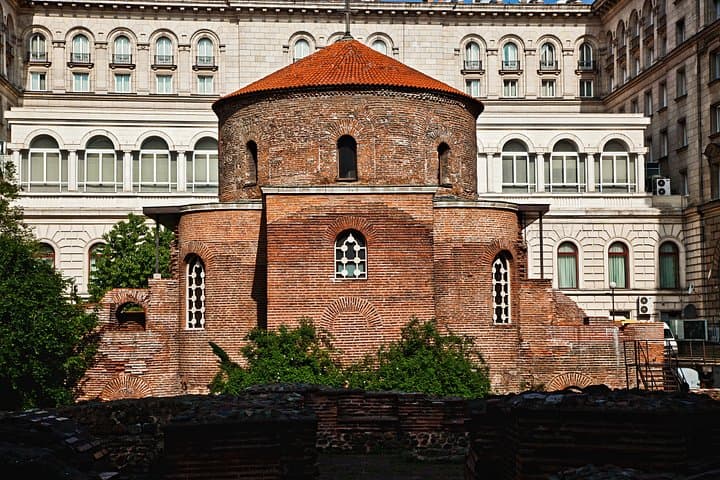
A crisp morning in Sofia begins under the domes of the Russian Church, where sunlight bounces off gold and stone and the city exhales into a wide, walkable center. The guide leads a steady route past Roman ruins and Soviet-era boulevards, pausing at the rotunda of St. George and the monumental face of Aleksander Nevski before the group slips into a private vehicle bound for the greener flank of town.
A crisp morning in Sofia begins under the domes of the Russian Church, where sunlight bounces off gold and stone and the city exhales into a wide, walkable center. The guide leads a steady route past Roman ruins and Soviet-era boulevards, pausing at the rotunda of St. George and the monumental face of Aleksander Nevski before the group slips into a private vehicle bound for the greener flank of town.
The drive to Vitosha climbs from urban pavement into a forested shoulder of the mountain range that frames Sofia. Geologically, Vitosha is a granite massif with rounded ridgelines and steep river valleys carved by millennia of frost and runoff; on clear days the panorama stretches to the Balkan chain. Culturally the day pivots from Bulgaria’s layered past — Roman Serdica, Ottoman neighborhoods, 19th-century Revival architecture — to Boyana Church, whose 11th–13th century frescoes are a rare, well-preserved window into medieval Orthodox art.
Expect easy-to-moderate walking around the central sites and short, unhurried strolls at Boyana; most travel is by private transport. Bring layers for the microclimate shift as the mountain can be several degrees cooler and windier than the city, and plan lunch at a mountain garden where traditional dishes are part of the local hospitality.
Practical notes: wear comfortable walking shoes, carry a refillable water bottle, and allow time for photography at the panorama stop — this route gives a concise, tangible introduction to Sofia’s history and the accessible wild edge of Vitosha.