THE ADVENTURE COLLECTIVE® · Independent discovery and booking for outdoor travel

Walk two hours through SoHo, the Villages, and the Lower East Side to read the city in its façades — from cast-iron warehouses to landmark contemporary buildings. This guided route pairs architectural detail with social history, ideal for curious urban walkers.
Walk two hours through SoHo, the Villages, and the Lower East Side to read the city in its façades — from cast-iron warehouses to landmark contemporary buildings. This guided route pairs architectural detail with social history, ideal for curious urban walkers.
The late-afternoon light slants through narrow streets of cast-iron facades, turning iron lace into a grid of shadow that seems to move as you walk. You step off Broadway into SoHo and the city changes scale: cobblestones underfoot, large windows that once framed factories now framing boutiques, and the urgent hum of downtown life pressing at the edges.
Verified experiences and guided adventures in the surrounding area.
The late-afternoon light slants through narrow streets of cast-iron facades, turning iron lace into a grid of shadow that seems to move as you walk. You step off Broadway into SoHo and the city changes scale: cobblestones underfoot, large windows that once framed factories now framing boutiques, and the urgent hum of downtown life pressing at the edges.
This two-hour walking tour threads SoHo, the East and West Village, the Bowery, and the Lower East Side. It traces 19th-century cast-iron manufacturing, the tenement apartments that housed waves of immigrants, and key contemporary interventions — SANAA’s New Museum, Rem Koolhaas’ Prada storefront, and the bold geometry of Cooper Union by Morphosis. Geology here is subtle: filled land and Manhattan schist underlie the grid, but the architectural story is social — industrial wealth, immigrant housing policy, and the bohemian shifts that remade these blocks in the 20th century.
Along the way expect tight blocks, frequent stops to discuss façades, and a mix of pedestrian flow and commercial activity. Guides point out material cues—brick bonding, cast-iron columns, modified storefronts—that reveal construction eras and adaptive reuse.
Practical notes: wear comfortable shoes for uneven sidewalks and cobbles, bring water and a light jacket for wind that funnels through the avenues, and arrive 10 minutes early to meet at a clearly stated corner. Peak times are weekend afternoons; consider a weekday morning for fewer crowds and better photo light. The tour is accessible to most walkers and makes a compact, context-rich introduction to downtown Manhattan’s layered architecture.
The tour lasts about two hours and covers roughly 1.5–2 miles at an easy urban walking pace with frequent stops.
Portions use uneven sidewalks and cobblestones; check with the operator about a fully accessible route and alternative meeting points.
This is primarily an exterior walking tour; entry to buildings is generally not included but guides will discuss notable interiors from the street.
Language options depend on the operator; confirm current offerings at booking since multilingual guides may be limited.
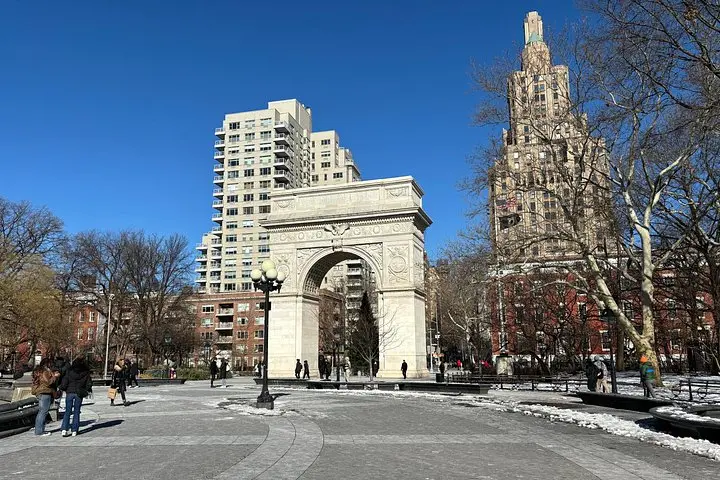
The late-afternoon light slants through narrow streets of cast-iron facades, turning iron lace into a grid of shadow that seems to move as you walk. You step off Broadway into SoHo and the city changes scale: cobblestones underfoot, large windows that once framed factories now framing boutiques, and the urgent hum of downtown life pressing at the edges.
The late-afternoon light slants through narrow streets of cast-iron facades, turning iron lace into a grid of shadow that seems to move as you walk. You step off Broadway into SoHo and the city changes scale: cobblestones underfoot, large windows that once framed factories now framing boutiques, and the urgent hum of downtown life pressing at the edges.
This two-hour walking tour threads SoHo, the East and West Village, the Bowery, and the Lower East Side. It traces 19th-century cast-iron manufacturing, the tenement apartments that housed waves of immigrants, and key contemporary interventions — SANAA’s New Museum, Rem Koolhaas’ Prada storefront, and the bold geometry of Cooper Union by Morphosis. Geology here is subtle: filled land and Manhattan schist underlie the grid, but the architectural story is social — industrial wealth, immigrant housing policy, and the bohemian shifts that remade these blocks in the 20th century.
Along the way expect tight blocks, frequent stops to discuss façades, and a mix of pedestrian flow and commercial activity. Guides point out material cues—brick bonding, cast-iron columns, modified storefronts—that reveal construction eras and adaptive reuse.
Practical notes: wear comfortable shoes for uneven sidewalks and cobbles, bring water and a light jacket for wind that funnels through the avenues, and arrive 10 minutes early to meet at a clearly stated corner. Peak times are weekend afternoons; consider a weekday morning for fewer crowds and better photo light. The tour is accessible to most walkers and makes a compact, context-rich introduction to downtown Manhattan’s layered architecture.