
SoHo Cast-Iron to Canvas: Self-Guided Podcast Tour of Manhattan's Art Revolution
Walk SoHo at your own pace with an expert‑narrated podcast that traces cast‑iron façades, Otis elevator history, and the artist loft takeover. A focused 65‑minute route ties architecture, culture, and urban change into a single, audio‑led stroll.
An Adventure In New York City.
Walk SoHo at your own pace with an expert‑narrated podcast that traces cast‑iron façades, Otis elevator history, and the artist loft takeover. A focused 65‑minute route ties architecture, culture, and urban change into a single, audio‑led stroll.
Read the full experience
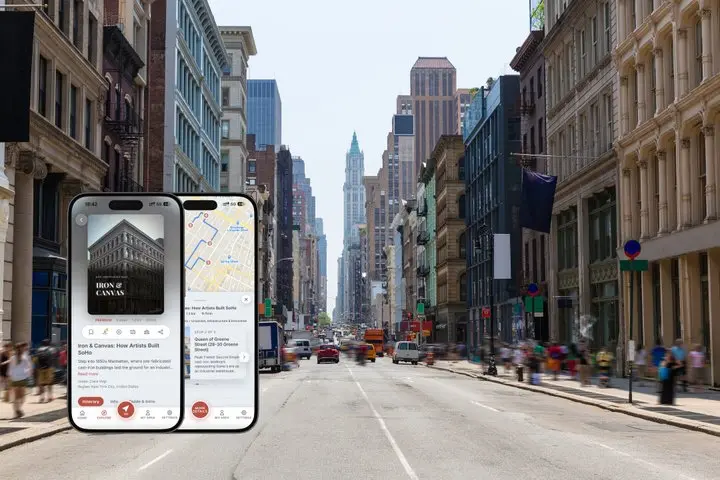
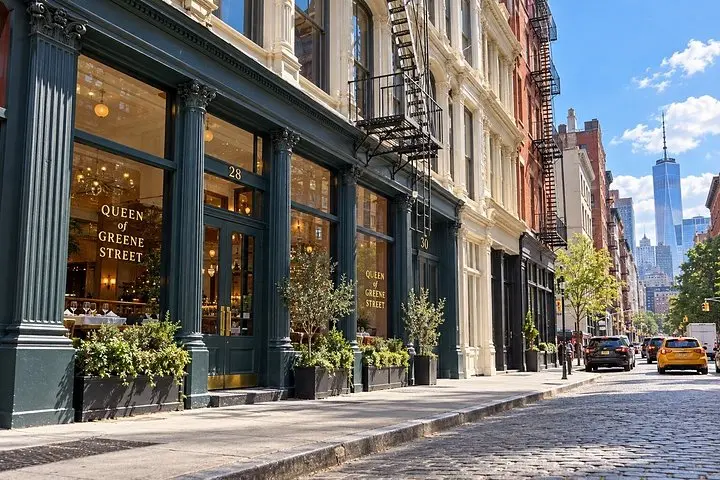
Morning light strips across cast‑iron ribs on Broome and Greene; the streets click with taxis and the muffled echo of deliveries. Start your headphones and the neighborhood becomes a narrator—elevators, loft laws, and rebellious artists speaking through the cracks of industrial brick. This 1.3 km self‑guided podcast tour moves at walking pace, placing you at five defining stops where prefab iron façades and former warehouses keep their stories in plain sight.
Morning light strips across cast‑iron ribs on Broome and Greene; the streets click with taxis and the muffled echo of deliveries. Start your headphones and the neighborhood becomes a narrator—elevators, loft laws, and rebellious artists speaking through the cracks of industrial brick. This 1.3 km self‑guided podcast tour moves at walking pace, placing you at five defining stops where prefab iron façades and former warehouses keep their stories in plain sight.
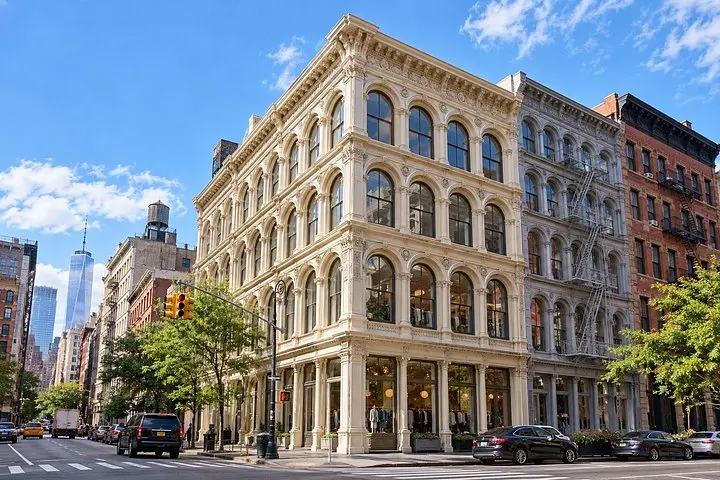
SoHo’s cast‑iron came from 1850s foundries that standardized ornate facades, accelerating Manhattan’s industrial boom. By the mid‑20th century, cheap lofts attracted artists who repurposed open floors into studios and experimental galleries—an urban shift that retooled infrastructure into cultural capital. Look for the Otis elevator reference and Donald Judd’s five‑story interventions; even the street surfaces—cobblestones, loading bays—speak of freight routes and fire codes.
The tour balances cultural history with local color: gallery storefronts that once held machines now hold minimal art, and Dia Foundation projects anchor public conversations about preservation and ownership. Navigation is app‑led and audio‑first, so you’ll pause at façades, listen to commentary about illegal loft communities, and step into courtyards where commerce met creativity.
Practical guidance: allow about 65 minutes, wear comfortable shoes for cobbles, and download audio before you go. Visit early on weekdays to avoid peak shopping crowds and bring a charged phone—the narrative cues assume you’ll be moving between tightly spaced stops. Respect private property and gallery hours; much of SoHo’s charm is found in noticing details rather than intruding on them.
Frequently asked questions
No—this is self‑guided and instant access is provided; start whenever the app and downloaded audio are ready.
Much of SoHo has curb cuts and flat sidewalks, but cobblestones and narrow passages can be uneven—check specific streets on your route for accessibility details.
Yes; the content focuses on architecture and history and is family‑friendly, but consider supervising near busy streets and loading zones.
Yes—the podcast is modular; pause between stops to enter galleries, but confirm gallery hours separately as they vary.
About This Experience
Red Thread operates guided outdoor trips and adventures with an emphasis on safety, stewardship, and memorable experiences.
Adventure tips
Recommended gear
- Comfortable walking shoes: Support and traction for cobblestone streets and occasional stairs.
- Smartphone with headphones: Necessary to run the app, play the podcast, and follow navigation cues.
- Portable battery pack: Keeps your device charged for audio and maps during longer days out.
- Light rain shell: Light, packable protection for unexpected urban showers and windy conditions.
Photos of the experience

Related adventures & guides
Read the full experience
Morning light strips across cast‑iron ribs on Broome and Greene; the streets click with taxis and the muffled echo of deliveries. Start your headphones and the neighborhood becomes a narrator—elevators, loft laws, and rebellious artists speaking through the cracks of industrial brick. This 1.3 km self‑guided podcast tour moves at walking pace, placing you at five defining stops where prefab iron façades and former warehouses keep their stories in plain sight.
Morning light strips across cast‑iron ribs on Broome and Greene; the streets click with taxis and the muffled echo of deliveries. Start your headphones and the neighborhood becomes a narrator—elevators, loft laws, and rebellious artists speaking through the cracks of industrial brick. This 1.3 km self‑guided podcast tour moves at walking pace, placing you at five defining stops where prefab iron façades and former warehouses keep their stories in plain sight.
SoHo’s cast‑iron came from 1850s foundries that standardized ornate facades, accelerating Manhattan’s industrial boom. By the mid‑20th century, cheap lofts attracted artists who repurposed open floors into studios and experimental galleries—an urban shift that retooled infrastructure into cultural capital. Look for the Otis elevator reference and Donald Judd’s five‑story interventions; even the street surfaces—cobblestones, loading bays—speak of freight routes and fire codes.
The tour balances cultural history with local color: gallery storefronts that once held machines now hold minimal art, and Dia Foundation projects anchor public conversations about preservation and ownership. Navigation is app‑led and audio‑first, so you’ll pause at façades, listen to commentary about illegal loft communities, and step into courtyards where commerce met creativity.
Practical guidance: allow about 65 minutes, wear comfortable shoes for cobbles, and download audio before you go. Visit early on weekdays to avoid peak shopping crowds and bring a charged phone—the narrative cues assume you’ll be moving between tightly spaced stops. Respect private property and gallery hours; much of SoHo’s charm is found in noticing details rather than intruding on them.
Make a day of it nearby.
Verified experiences and guided adventures in the surrounding area.