THE ADVENTURE COLLECTIVE® · Independent discovery and booking for outdoor travel

Walk three of Manhattan’s most storied neighborhoods in one private, 2–3 hour tour. Explore Soho’s cast-iron blocks, taste the echoes of Little Italy, and navigate Chinatown’s oldest streets with a local guide.
Walk three of Manhattan’s most storied neighborhoods in one private, 2–3 hour tour. Explore Soho’s cast-iron blocks, taste the echoes of Little Italy, and navigate Chinatown’s oldest streets with a local guide.
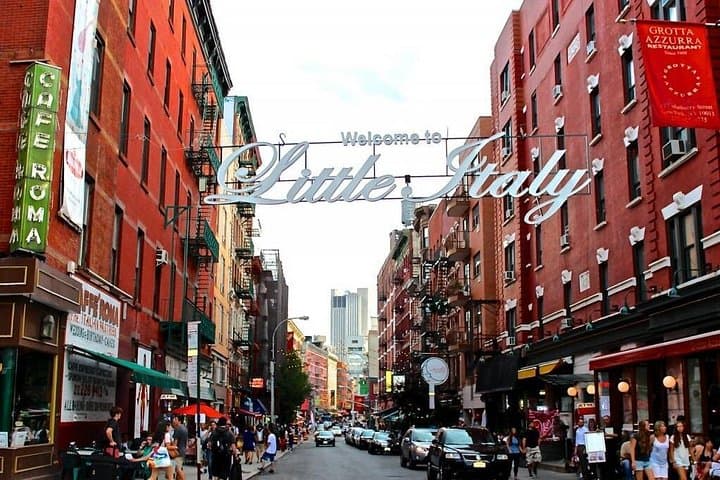
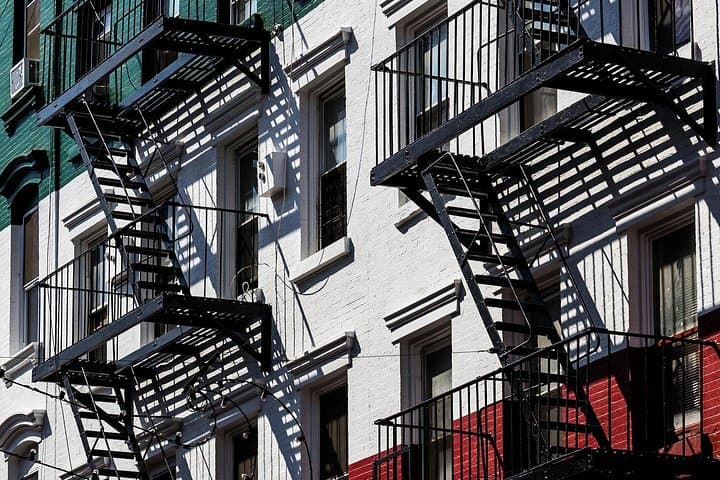
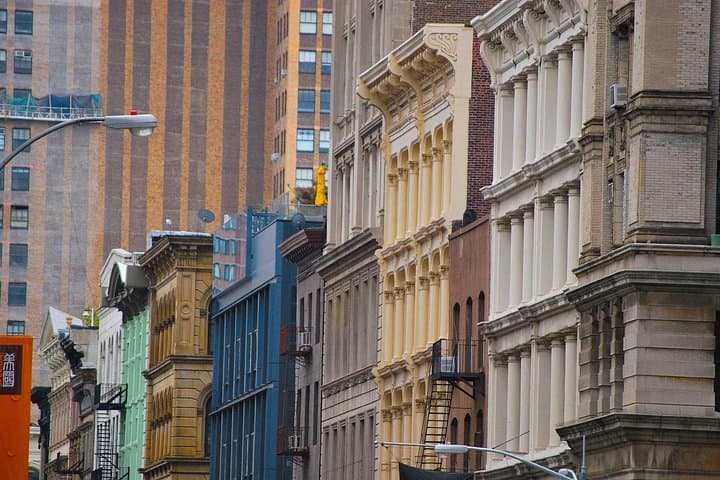
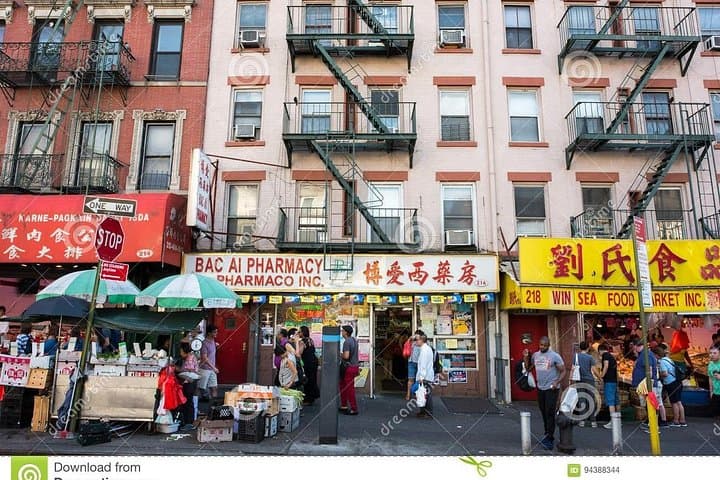
Morning light slides down the cast-iron facades as the group steps off 6th Avenue and onto Spring Street; the cobbles underfoot click with every step and the city’s pulse becomes a measured rhythm. The guide threads Soho’s iron-wrought blocks, where 19th-century warehouses turned ateliers still hold their edges, then steers toward Little Italy’s narrow lanes where espresso machines and old-world bakeries push warm aromas into the air. Finally, Chinatown’s packed storefronts and temple facades close the circuit with a rush of color and language.
Verified experiences and guided adventures in the surrounding area.
Operated by Metro NYC Tours · New York, NY
Morning light slides down the cast-iron facades as the group steps off 6th Avenue and onto Spring Street; the cobbles underfoot click with every step and the city’s pulse becomes a measured rhythm. The guide threads Soho’s iron-wrought blocks, where 19th-century warehouses turned ateliers still hold their edges, then steers toward Little Italy’s narrow lanes where espresso machines and old-world bakeries push warm aromas into the air. Finally, Chinatown’s packed storefronts and temple facades close the circuit with a rush of color and language.
Soho’s cast-iron architecture was born of industrial New York — prefabricated fronts from the mid-1800s that survive as one of the world’s largest concentrations of that style. Little Italy preserves immigrant stories and foodways from the late 19th and early 20th centuries, while Chinatown traces waves of Cantonese and other Chinese migration and commerce that reshaped nearby streets.
The walk covers roughly 1.5–2 miles over 2–3 hours on mixed terrain: city sidewalks, some uneven cobbles and occasional alleyways. It’s private and paced to the group, with stops for history, local lore and suggested tasting spots (food and drinks not included). Mobility-friendly options exist, and strollers are workable though cobbles are bumpy.
Practical notes: bring comfortable shoes, a refillable bottle, layered clothing for wind from the Hudson, and a small bag for purchases. Public transit to the meeting point is straightforward; the tour ends in Columbus Park, a short walk from multiple subway lines. Listen for stories the streets have kept — the city’s past is literal pavement here, waiting to be read with each step.
No; the tour provides recommendations and stops for tastings but food, drinks and gratuities are not included in the price.
The operator notes wheelchair and stroller accessibility, though some cobblestone sections in Soho can be bumpy—notify the guide of mobility needs when booking.
The tour meets at the corner of 6th Ave and Spring St and concludes at Columbus Park in Chinatown, both near multiple subway lines.
For a full refund cancel at least 24 hours before departure; last-minute cancellations (within 24 hours) are not refundable.
Metro NYC Tours operates guided outdoor trips and adventures with an emphasis on safety, stewardship, and memorable experiences.
Morning light slides down the cast-iron facades as the group steps off 6th Avenue and onto Spring Street; the cobbles underfoot click with every step and the city’s pulse becomes a measured rhythm. The guide threads Soho’s iron-wrought blocks, where 19th-century warehouses turned ateliers still hold their edges, then steers toward Little Italy’s narrow lanes where espresso machines and old-world bakeries push warm aromas into the air. Finally, Chinatown’s packed storefronts and temple facades close the circuit with a rush of color and language.
Morning light slides down the cast-iron facades as the group steps off 6th Avenue and onto Spring Street; the cobbles underfoot click with every step and the city’s pulse becomes a measured rhythm. The guide threads Soho’s iron-wrought blocks, where 19th-century warehouses turned ateliers still hold their edges, then steers toward Little Italy’s narrow lanes where espresso machines and old-world bakeries push warm aromas into the air. Finally, Chinatown’s packed storefronts and temple facades close the circuit with a rush of color and language.
Soho’s cast-iron architecture was born of industrial New York — prefabricated fronts from the mid-1800s that survive as one of the world’s largest concentrations of that style. Little Italy preserves immigrant stories and foodways from the late 19th and early 20th centuries, while Chinatown traces waves of Cantonese and other Chinese migration and commerce that reshaped nearby streets.
The walk covers roughly 1.5–2 miles over 2–3 hours on mixed terrain: city sidewalks, some uneven cobbles and occasional alleyways. It’s private and paced to the group, with stops for history, local lore and suggested tasting spots (food and drinks not included). Mobility-friendly options exist, and strollers are workable though cobbles are bumpy.
Practical notes: bring comfortable shoes, a refillable bottle, layered clothing for wind from the Hudson, and a small bag for purchases. Public transit to the meeting point is straightforward; the tour ends in Columbus Park, a short walk from multiple subway lines. Listen for stories the streets have kept — the city’s past is literal pavement here, waiting to be read with each step.