THE ADVENTURE COLLECTIVE® · Independent discovery and booking for outdoor travel

Combine Korean history and alpine scenery on a single day trip from Sokcho: look north from the Goseong Observatory, explore the DMZ Museum, then hike the serene Jujeongol Valley in Seoraksan National Park. Practical, photo‑ready, and approachable for most hikers.
Combine Korean history and alpine scenery on a single day trip from Sokcho: look north from the Goseong Observatory, explore the DMZ Museum, then hike the serene Jujeongol Valley in Seoraksan National Park. Practical, photo‑ready, and approachable for most hikers.
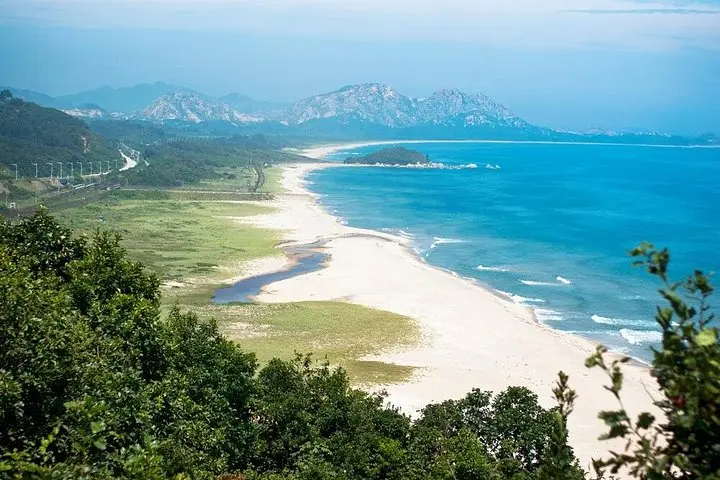
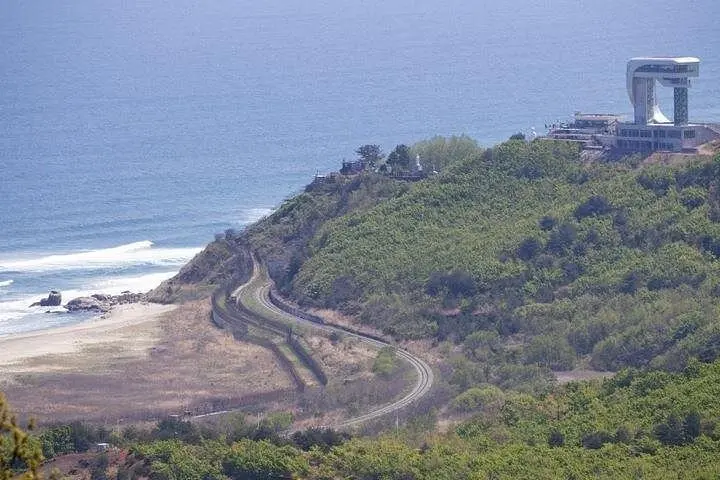
The day opens on the East Sea, wind pushing salt across low clouds as the coach leaves Sokcho and climbs toward Seoraksan National Park. At the Goseong Unification Observatory the peninsula’s division reads like a coastline of contrasts: the dark line of the DMZ, the distant ridge of Mount Kumgang in North Korea, and the restless surf below that seems to dare you to cross it.
Verified experiences and guided adventures in the surrounding area.
Operated by Tagytravelkorea · Sokcho, Gangwon-do
The day opens on the East Sea, wind pushing salt across low clouds as the coach leaves Sokcho and climbs toward Seoraksan National Park. At the Goseong Unification Observatory the peninsula’s division reads like a coastline of contrasts: the dark line of the DMZ, the distant ridge of Mount Kumgang in North Korea, and the restless surf below that seems to dare you to cross it.
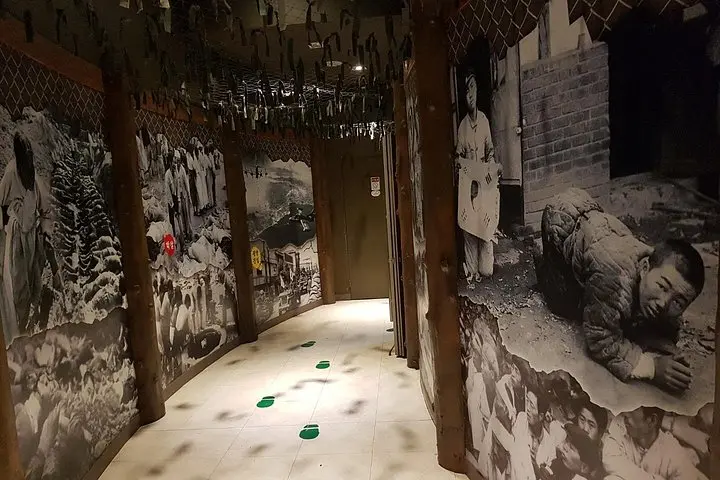
This combined excursion threads modern history and high-country geology into one itinerary. The Goseong area bears marks of 20th‑century conflict—watchtowers, memorials and the layered narratives preserved in the DMZ Museum. Seoraksan’s granite spines were born of tectonic uplift and weathering; Jujeongol Valley carves through ancient rock with clear streams that whisper through conifer and mixed hardwood forest. Buddhist temples and mountain hermitages nearby speak to a long local culture of mountain worship and pilgrimage.
Expect two distinct experiences: contemplative, interpretive stops at DMZ viewpoints and museums, then a 4–5 km valley trek in Jujeongol—shaded trails, stream crossings, and sculpted boulders with 2–3 hours of walking at moderate effort.
Practical notes: carry passport/ID for DMZ access, wear sturdy shoes for uneven trail sections, and plan for rapid weather changes—Seorak’s elevation can feel several degrees cooler than Sokcho. Bring water, a light rain layer, and time your visit to avoid peak cruise-ship crowds in town.
This is a compact day that balances historical context with tangible mountain time—sharp views, quiet water, and a clear sense of place where geopolitics and geology meet.
Yes—participants must carry valid government ID or passport for access to DMZ viewpoints and security screening.
The Jujeongol section is about 4–5 km and typically takes 2–3 hours at a moderate pace, including short photo stops.
Meals are not specified; tours often include short stops for lunch or give time in Sokcho—bring snacks or check with the operator before booking.
The tour has moderate walking; children and seniors with basic mobility can participate, but it’s not recommended for people with serious spinal or mobility issues.
Tagytravelkorea operates guided outdoor trips and adventures with an emphasis on safety, stewardship, and memorable experiences.

The day opens on the East Sea, wind pushing salt across low clouds as the coach leaves Sokcho and climbs toward Seoraksan National Park. At the Goseong Unification Observatory the peninsula’s division reads like a coastline of contrasts: the dark line of the DMZ, the distant ridge of Mount Kumgang in North Korea, and the restless surf below that seems to dare you to cross it.
The day opens on the East Sea, wind pushing salt across low clouds as the coach leaves Sokcho and climbs toward Seoraksan National Park. At the Goseong Unification Observatory the peninsula’s division reads like a coastline of contrasts: the dark line of the DMZ, the distant ridge of Mount Kumgang in North Korea, and the restless surf below that seems to dare you to cross it.
This combined excursion threads modern history and high-country geology into one itinerary. The Goseong area bears marks of 20th‑century conflict—watchtowers, memorials and the layered narratives preserved in the DMZ Museum. Seoraksan’s granite spines were born of tectonic uplift and weathering; Jujeongol Valley carves through ancient rock with clear streams that whisper through conifer and mixed hardwood forest. Buddhist temples and mountain hermitages nearby speak to a long local culture of mountain worship and pilgrimage.
Expect two distinct experiences: contemplative, interpretive stops at DMZ viewpoints and museums, then a 4–5 km valley trek in Jujeongol—shaded trails, stream crossings, and sculpted boulders with 2–3 hours of walking at moderate effort.
Practical notes: carry passport/ID for DMZ access, wear sturdy shoes for uneven trail sections, and plan for rapid weather changes—Seorak’s elevation can feel several degrees cooler than Sokcho. Bring water, a light rain layer, and time your visit to avoid peak cruise-ship crowds in town.
This is a compact day that balances historical context with tangible mountain time—sharp views, quiet water, and a clear sense of place where geopolitics and geology meet.