THE ADVENTURE COLLECTIVE® · Independent discovery and booking for outdoor travel

Glide the Daintree River aboard the solar-electric Solar Whisper for a low-impact crocodile and wildlife cruise. Quiet propulsion and a Croc Cam make this a top choice for close, responsible viewing of estuarine wildlife.
Glide the Daintree River aboard the solar-electric Solar Whisper for a low-impact crocodile and wildlife cruise. Quiet propulsion and a Croc Cam make this a top choice for close, responsible viewing of estuarine wildlife.
The boat slips away with barely a sound; the river answers with bird calls and the soft scrape of mangrove roots. On Solar Whisper you move through Julaymba (the Daintree River) under a green canopy, the electric motor whispering so small that wildlife stays natural — an interrupted caw, a bobbing rustle, the flash of a crocodile’s eye reflected in the water.
Verified experiences and guided adventures in the surrounding area.
Operated by Solar Whisper Crocodile & Wildlife Cruises · Daintree, Queensland
The boat slips away with barely a sound; the river answers with bird calls and the soft scrape of mangrove roots. On Solar Whisper you move through Julaymba (the Daintree River) under a green canopy, the electric motor whispering so small that wildlife stays natural — an interrupted caw, a bobbing rustle, the flash of a crocodile’s eye reflected in the water.
This section of the Daintree is ancient rainforest draining into the Coral Sea. Mangrove networks hold the shoreline while sediment from the escarpment builds the riverbanks. European settlement here is recent compared to First Nations history: the Kuku Yalanji people have managed these tidal ecologies for millennia, and local guides often share cultural connections to species and places.
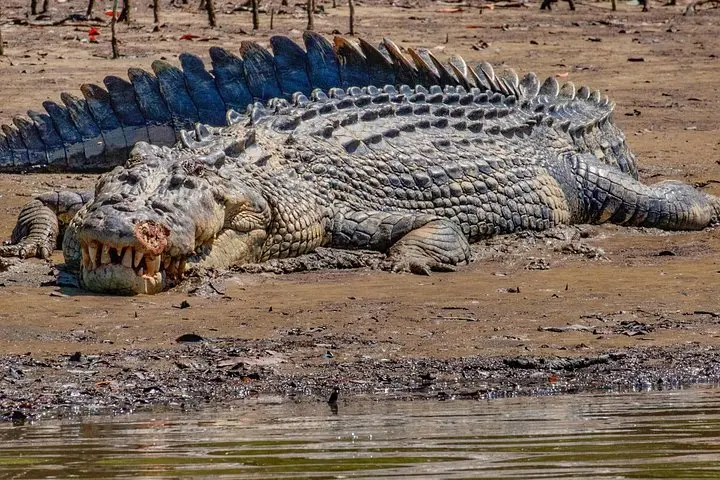
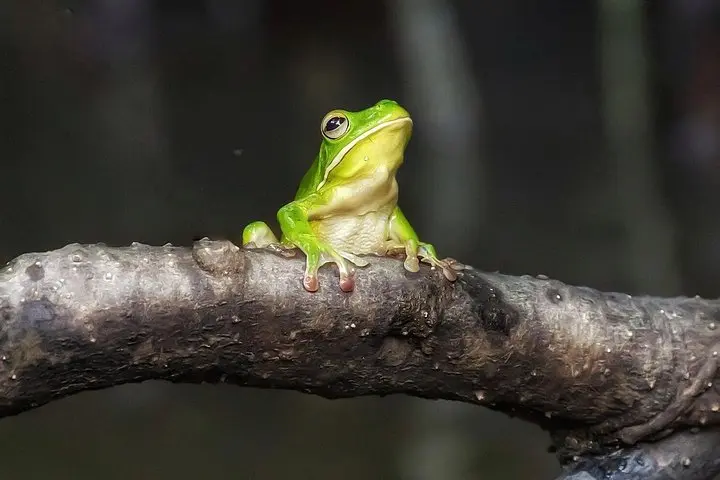
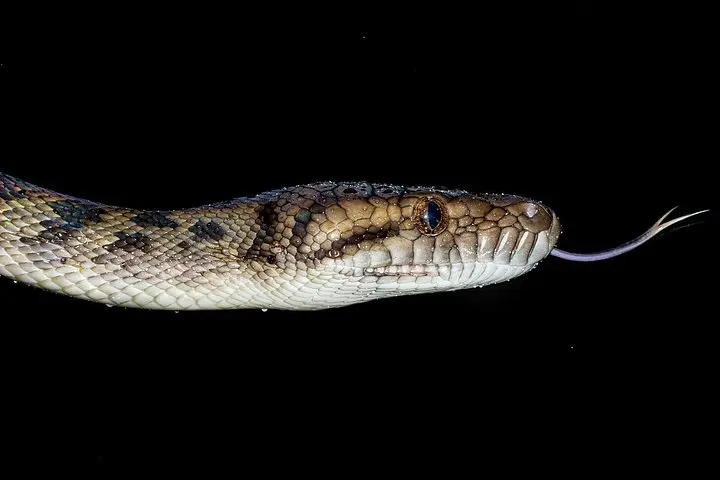
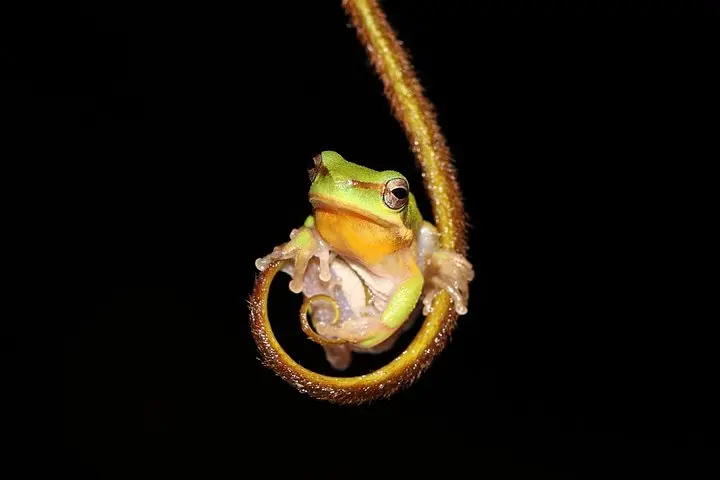
Expect tight, shaded channels, exposed mudflats at low tide, and wide river bends where estuarine crocodiles sun on banks. The crew uses a zoomed Croc Cam to reveal camouflaged animals on a big screen — helpful for photography and for spotting birds, snakes, frogs and crabs.
Practicalities: tours run about 60 minutes with a high crocodile-spotting rate; small groups (max ~10 on the solar vessel) move quietly and create no wake, reducing mangrove erosion. Wear sun protection and insect repellent, bring a light rain layer and a camera with a zoom or a phone adapter for Croc Cam captures. If you miss a sighting, operators offer a rebooking policy. Morning or late-afternoon departures give softer light and more active wildlife; mid-day can be warmer and busier.
The standard cruise is 60 minutes; longer two- and three-hour private options are available by booking.
Operators report a very high spotting rate, but wildlife is unpredictable; if you miss a sighting you can often rebook without charge.
Yes — the tour notes wheelchair and stroller accessibility, though boarding steps may require assistance.
Yes — children have allocated seats and infants must sit on an adult’s lap; follow crew safety briefings and capacity limits.
Solar Whisper Crocodile & Wildlife Cruises operates guided outdoor trips and adventures with an emphasis on safety, stewardship, and memorable experiences.
The boat slips away with barely a sound; the river answers with bird calls and the soft scrape of mangrove roots. On Solar Whisper you move through Julaymba (the Daintree River) under a green canopy, the electric motor whispering so small that wildlife stays natural — an interrupted caw, a bobbing rustle, the flash of a crocodile’s eye reflected in the water.
The boat slips away with barely a sound; the river answers with bird calls and the soft scrape of mangrove roots. On Solar Whisper you move through Julaymba (the Daintree River) under a green canopy, the electric motor whispering so small that wildlife stays natural — an interrupted caw, a bobbing rustle, the flash of a crocodile’s eye reflected in the water.
This section of the Daintree is ancient rainforest draining into the Coral Sea. Mangrove networks hold the shoreline while sediment from the escarpment builds the riverbanks. European settlement here is recent compared to First Nations history: the Kuku Yalanji people have managed these tidal ecologies for millennia, and local guides often share cultural connections to species and places.
Expect tight, shaded channels, exposed mudflats at low tide, and wide river bends where estuarine crocodiles sun on banks. The crew uses a zoomed Croc Cam to reveal camouflaged animals on a big screen — helpful for photography and for spotting birds, snakes, frogs and crabs.
Practicalities: tours run about 60 minutes with a high crocodile-spotting rate; small groups (max ~10 on the solar vessel) move quietly and create no wake, reducing mangrove erosion. Wear sun protection and insect repellent, bring a light rain layer and a camera with a zoom or a phone adapter for Croc Cam captures. If you miss a sighting, operators offer a rebooking policy. Morning or late-afternoon departures give softer light and more active wildlife; mid-day can be warmer and busier.