THE ADVENTURE COLLECTIVE® · Independent discovery and booking for outdoor travel

A full-day private drive from Yogyakarta that pairs Solo’s antique markets and palaces with two distinctive highland temples on Mount Lawu’s slopes. Expect short walks on volcanic stone, vivid photography, and a deep dose of Javanese history.
A full-day private drive from Yogyakarta that pairs Solo’s antique markets and palaces with two distinctive highland temples on Mount Lawu’s slopes. Expect short walks on volcanic stone, vivid photography, and a deep dose of Javanese history.
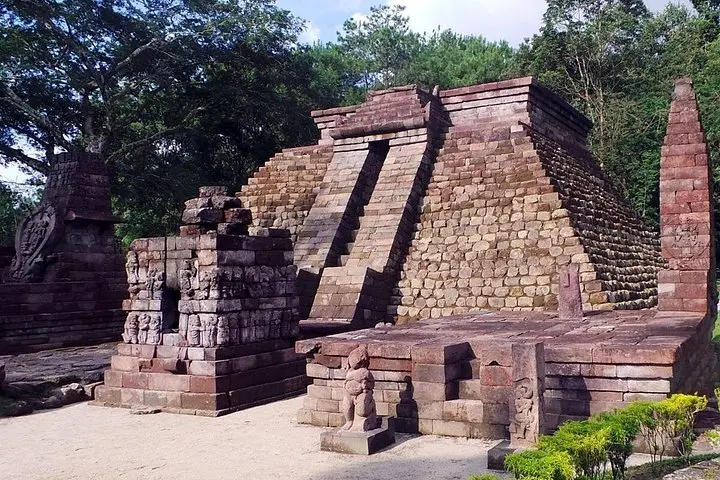
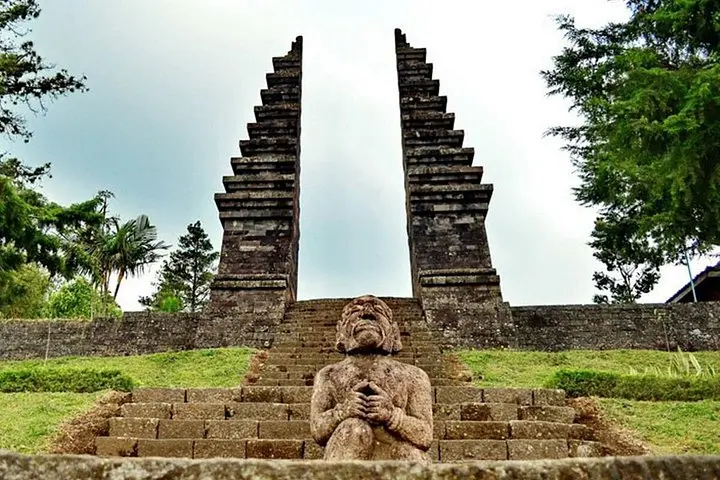
You step into the car in Yogyakarta before dawn and the road pulls you east, past rice paddies that flatten into the foothills of Mount Lawu. By mid-morning the air cools and stone terraces appear—Sukuh’s low-profile Hindu shrines sit squat against grassy slopes, while Cetho’s layered platforms climb higher with wide viewpoints over Karanganyar.
Verified experiences and guided adventures in the surrounding area.
Operated by Wandernesia · Surakarta (Solo), Central Java
You step into the car in Yogyakarta before dawn and the road pulls you east, past rice paddies that flatten into the foothills of Mount Lawu. By mid-morning the air cools and stone terraces appear—Sukuh’s low-profile Hindu shrines sit squat against grassy slopes, while Cetho’s layered platforms climb higher with wide viewpoints over Karanganyar.
Both temples belong to late Javanese-Hindu traditions and reflect a regional style from the 15th–16th centuries: you’ll notice raw, geometric carving and terraced courtyards rather than grand classical spires. Geologically, the sites occupy the volcanic slope of Lawu; walking involves uneven volcanic stone, steep stair sections and compacted dirt paths with panoramic drops.
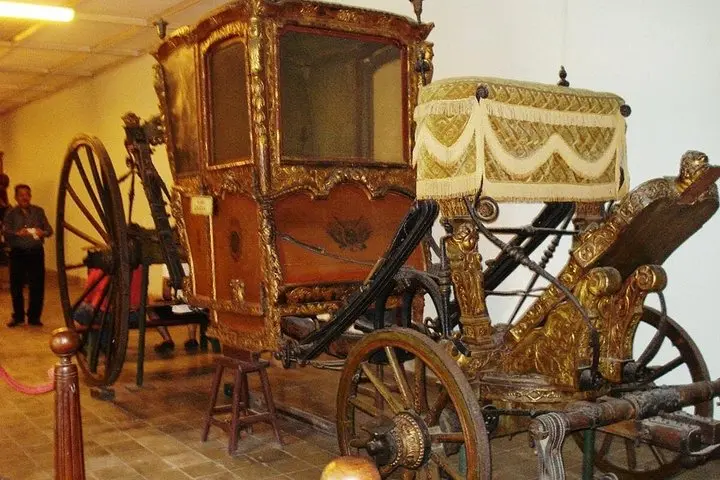
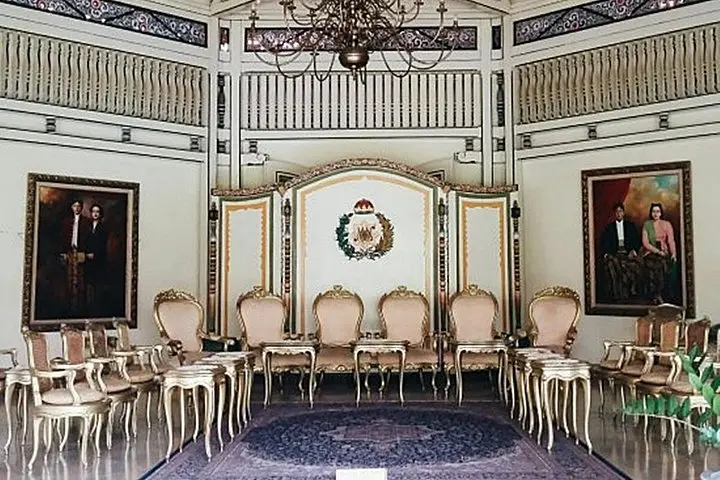
Culturally, the day links Surakarta’s courtly past—palaces, antique markets and museums—to highland ritual places where local communities still maintain offerings. Triwindu Market and Radya Pustaka Museum supply a grounded counterpoint: antiques, batik and colonial-era objects that explain Solo’s visual language.
Practical guidance: this is a full-day private-drive itinerary (about 12 hours including transfers). Expect multiple short walks (15–60 minutes per site) on stone steps; wear sturdy shoes and bring a light rain layer in the wet season. Photography is excellent at sunrise or late afternoon for Cetho’s vistas; temples may require sarong or modest dress for entry. There’s no official guide included, so plan questions ahead or hire a local guide at the sites.
In short, the tour pairs Solo’s cultural heart with two highland temples that feel both intimate and raw—great for travelers who want history, landscape and market hunting in one deliberate day.
No—the package includes private transport and driver but not a site guide; you can hire local guides at attractions for additional commentary.
Expect a full-day itinerary with multiple drives: Yogyakarta to Solo, then up to Karanganyar and Lawu slopes; total travel plus stops fills about 12 hours.
Visits require short to moderate walks and stair climbs on uneven volcanic stone; people should be steady on their feet and avoid if they have serious mobility issues.
Yes—Triwindu Antique Market and local palace shops sell batik, antiques and crafts; bring cash and check export rules for antiques.
Wandernesia operates guided outdoor trips and adventures with an emphasis on safety, stewardship, and memorable experiences.
You step into the car in Yogyakarta before dawn and the road pulls you east, past rice paddies that flatten into the foothills of Mount Lawu. By mid-morning the air cools and stone terraces appear—Sukuh’s low-profile Hindu shrines sit squat against grassy slopes, while Cetho’s layered platforms climb higher with wide viewpoints over Karanganyar.
You step into the car in Yogyakarta before dawn and the road pulls you east, past rice paddies that flatten into the foothills of Mount Lawu. By mid-morning the air cools and stone terraces appear—Sukuh’s low-profile Hindu shrines sit squat against grassy slopes, while Cetho’s layered platforms climb higher with wide viewpoints over Karanganyar.
Both temples belong to late Javanese-Hindu traditions and reflect a regional style from the 15th–16th centuries: you’ll notice raw, geometric carving and terraced courtyards rather than grand classical spires. Geologically, the sites occupy the volcanic slope of Lawu; walking involves uneven volcanic stone, steep stair sections and compacted dirt paths with panoramic drops.
Culturally, the day links Surakarta’s courtly past—palaces, antique markets and museums—to highland ritual places where local communities still maintain offerings. Triwindu Market and Radya Pustaka Museum supply a grounded counterpoint: antiques, batik and colonial-era objects that explain Solo’s visual language.
Practical guidance: this is a full-day private-drive itinerary (about 12 hours including transfers). Expect multiple short walks (15–60 minutes per site) on stone steps; wear sturdy shoes and bring a light rain layer in the wet season. Photography is excellent at sunrise or late afternoon for Cetho’s vistas; temples may require sarong or modest dress for entry. There’s no official guide included, so plan questions ahead or hire a local guide at the sites.
In short, the tour pairs Solo’s cultural heart with two highland temples that feel both intimate and raw—great for travelers who want history, landscape and market hunting in one deliberate day.