THE ADVENTURE COLLECTIVE® · Independent discovery and booking for outdoor travel

Play detective on Budapest’s Danube promenade: a self-guided city game that sends you from the Columbo statue to the Chief Worm Sculpture, decoding public art, history, and local oddities. Perfect for families, friends, and team-building groups who like puzzles with a side of urban exploration.
Play detective on Budapest’s Danube promenade: a self-guided city game that sends you from the Columbo statue to the Chief Worm Sculpture, decoding public art, history, and local oddities. Perfect for families, friends, and team-building groups who like puzzles with a side of urban exploration.
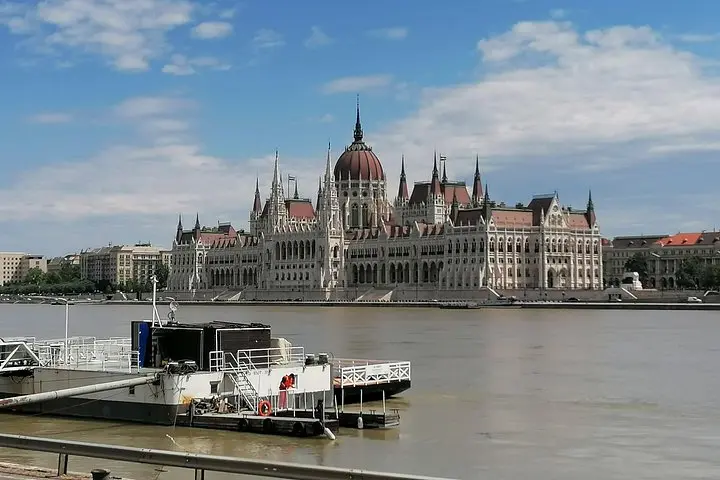
You start at the Columbo statue, phone in hand and the Danube’s slow current throwing light across the Parliament’s façade. The game opens with a clipped case file: a squirrel, a suspicion of food poisoning, and an inexplicable prop — a tiny gun. From that first absurd clue the city becomes a set of puzzles; each statue and plaque on the riverbank functions as a clue and each cobbled turn rewrites what you thought you knew about Budapest.
Verified experiences and guided adventures in the surrounding area.
Operated by Secret City Trails · Budapest, Budapest
You start at the Columbo statue, phone in hand and the Danube’s slow current throwing light across the Parliament’s façade. The game opens with a clipped case file: a squirrel, a suspicion of food poisoning, and an inexplicable prop — a tiny gun. From that first absurd clue the city becomes a set of puzzles; each statue and plaque on the riverbank functions as a clue and each cobbled turn rewrites what you thought you knew about Budapest.
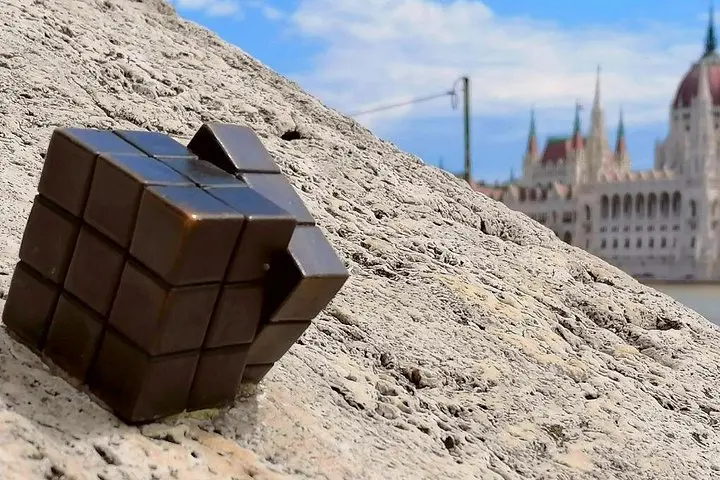
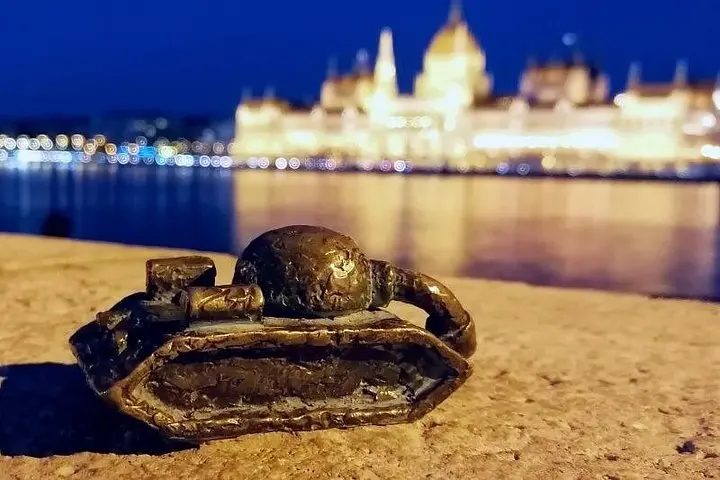
The route threads the classic landmarks — the Chain Bridge’s iron ribs, the green shoulders of Gellért Hill, the white swagger of the Parliament — but it privileges the small discoveries: a bemused bronze dog, an obscure plaque, a worm sculpture where you finish. Historically the Danube split this settlement into Buda and Pest long before the 1873 unification shaped the city you see today. Geology plays a quiet role here; the river’s floodplain laid the flat sweeps of Pest while the older volcanic ridges of Buda give the skyline its uplands.
Culturally the trail reads like a short guide to local humor and civic memory. Sculptors and city planners pepper the embankment with ironies and miniatures: satirical figures, wartime memorials, and little-invoked saints. The game’s format — location-based riddles unlocked by being in the right place — encourages you to slow down and look for telling details in facades, benches, and public art.
Practicalities matter: the game runs 2–3 hours at a relaxed pace and covers mostly paved riverside promenades with a handful of stairs and short climbs near viewpoints. Expect 3–4 kilometers of walking depending on detours, with minimal elevation gain but plenty of pauses for reading and photo stops. The app link arrives by email and is valid for 90 days; once started you have up to 15 days to finish the trail, and one team captain submits answers. Languages can be changed inside the game.
For preparation wear comfortable shoes with good soles — the route is urban but includes slabs, metal grates, and occasional wet stone. Bring a battery pack; the experience is digital and relies on GPS. Plan this in daylight: clues live in architectural details best seen with natural light. If you’re with kids or a mixed group, treat the puzzles like a museum hunt and allow time for snacks at riverside cafés.
This is part stroll, part scavenger hunt, part light detective story: a playful way to read Budapest’s public art and riverside history while earning your finish-line map of local cafés and viewpoints. Whether you come for the trivia or the panorama, the Danube will keep nudging you forward, one clue at a time.
The typical playtime is 2–3 hours and the walking distance is roughly 3–4 kilometers, depending on detours.
Yes — the play link is valid for 90 days from your activity date and once started you have 15 days to complete the trail.
Yes — the puzzles are accessible for older children; plan extra time and pauses for younger kids.
No — the game link is delivered by email and works on mobile or desktop.
You receive an English introduction email, but the game lets you select other languages after starting.
Much of the riverside is paved and stroller-friendly, but some short stair sections and cobbles may require alternative routing.
Secret City Trails operates guided outdoor trips and adventures with an emphasis on safety, stewardship, and memorable experiences.
You start at the Columbo statue, phone in hand and the Danube’s slow current throwing light across the Parliament’s façade. The game opens with a clipped case file: a squirrel, a suspicion of food poisoning, and an inexplicable prop — a tiny gun. From that first absurd clue the city becomes a set of puzzles; each statue and plaque on the riverbank functions as a clue and each cobbled turn rewrites what you thought you knew about Budapest.
You start at the Columbo statue, phone in hand and the Danube’s slow current throwing light across the Parliament’s façade. The game opens with a clipped case file: a squirrel, a suspicion of food poisoning, and an inexplicable prop — a tiny gun. From that first absurd clue the city becomes a set of puzzles; each statue and plaque on the riverbank functions as a clue and each cobbled turn rewrites what you thought you knew about Budapest.
The route threads the classic landmarks — the Chain Bridge’s iron ribs, the green shoulders of Gellért Hill, the white swagger of the Parliament — but it privileges the small discoveries: a bemused bronze dog, an obscure plaque, a worm sculpture where you finish. Historically the Danube split this settlement into Buda and Pest long before the 1873 unification shaped the city you see today. Geology plays a quiet role here; the river’s floodplain laid the flat sweeps of Pest while the older volcanic ridges of Buda give the skyline its uplands.
Culturally the trail reads like a short guide to local humor and civic memory. Sculptors and city planners pepper the embankment with ironies and miniatures: satirical figures, wartime memorials, and little-invoked saints. The game’s format — location-based riddles unlocked by being in the right place — encourages you to slow down and look for telling details in facades, benches, and public art.
Practicalities matter: the game runs 2–3 hours at a relaxed pace and covers mostly paved riverside promenades with a handful of stairs and short climbs near viewpoints. Expect 3–4 kilometers of walking depending on detours, with minimal elevation gain but plenty of pauses for reading and photo stops. The app link arrives by email and is valid for 90 days; once started you have up to 15 days to finish the trail, and one team captain submits answers. Languages can be changed inside the game.
For preparation wear comfortable shoes with good soles — the route is urban but includes slabs, metal grates, and occasional wet stone. Bring a battery pack; the experience is digital and relies on GPS. Plan this in daylight: clues live in architectural details best seen with natural light. If you’re with kids or a mixed group, treat the puzzles like a museum hunt and allow time for snacks at riverside cafés.
This is part stroll, part scavenger hunt, part light detective story: a playful way to read Budapest’s public art and riverside history while earning your finish-line map of local cafés and viewpoints. Whether you come for the trivia or the panorama, the Danube will keep nudging you forward, one clue at a time.