THE ADVENTURE COLLECTIVE® · Independent discovery and booking for outdoor travel

A full-day canyoneering trip into Somoto Canyon takes you through narrow river slots, waterfalls up to 20 metres, and basalt cliffs carved over millennia. This guided tour includes transport, breakfast, and lunch—expect river walking, short swims, and rock scrambling.
A full-day canyoneering trip into Somoto Canyon takes you through narrow river slots, waterfalls up to 20 metres, and basalt cliffs carved over millennia. This guided tour includes transport, breakfast, and lunch—expect river walking, short swims, and rock scrambling.
Before sunrise the van threads out of Managua and the road narrows into scrub and folded hills. By midmorning the canyon cuts open: vertical basalt and limestone walls, a ribbon of river daring you to follow. Water slaps the rock, small waterfalls tumble in tiers and the canyon narrows into walkable slots where you wade, scramble, and float between cliffs.
Verified experiences and guided adventures in the surrounding area.
Operated by Transporte Dávila & Tours · Somoto, Madriz
Before sunrise the van threads out of Managua and the road narrows into scrub and folded hills. By midmorning the canyon cuts open: vertical basalt and limestone walls, a ribbon of river daring you to follow. Water slaps the rock, small waterfalls tumble in tiers and the canyon narrows into walkable slots where you wade, scramble, and float between cliffs.
Geology here is blunt and readable — rivers have carved a deep gorge through volcanic and sedimentary layers over millions of years. The area around Somoto is rural, with small towns and coffee farms that supply the simple breakfasts and lunches served on the tour. In 2006 the government recognized the canyon’s value and the site has since become a managed national monument with local guides playing a central role in visitor safety and community income.
Expect a full-day excursion (early departure from Managua, return late evening): breakfast in Sebaco, guided canyon route, and a traditional lunch. Terrain alternates between riverbed walking, shallow swims, rock-hopping and short, exposed scrambles; some sections require basic swimming and comfort with slippery rock.
Practical advice: go in the dry season for lower flows, use closed-toe water shoes with good grip, bring a small dry bag and sun protection, and listen to guides about current conditions and jump spots. The day is long but steady—hydration, layered quick-dry clothing, and a reasonable level of fitness make the experience rewarding. Guides, local conservation rules, and included transport and meals simplify logistics so you can focus on the canyon itself.
It’s a full-day outing with moderate exertion: expect long periods of walking on uneven rock, short swims, and some scrambling. You should have a moderate fitness level.
Most organized trips include round-trip transport from Managua, breakfast, a guided canyon route, and a typical lunch, plus safety briefing and local guide services.
The dry season (roughly November–April) typically offers lower, more predictable flows for walking and swimming; rainy months raise currents and may prompt cancellations.
Policies vary; most operators restrict infants, pregnant travelers, and people with serious back or heart problems due to river sections and scrambling — check booking requirements before reserving.
Transporte Dávila & Tours operates guided outdoor trips and adventures with an emphasis on safety, stewardship, and memorable experiences.
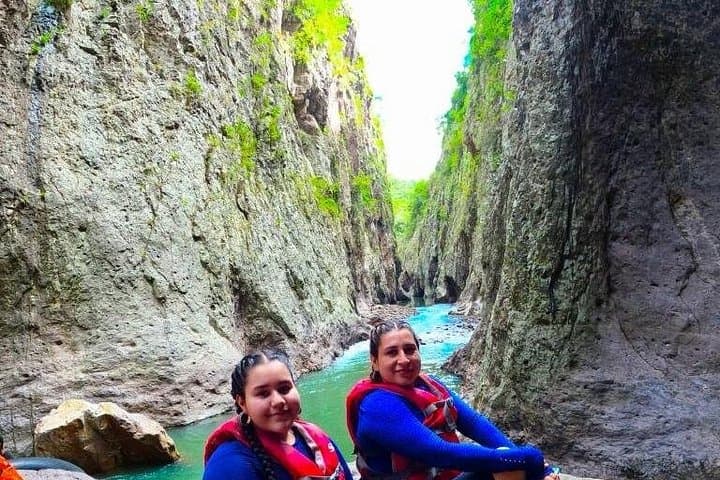


Before sunrise the van threads out of Managua and the road narrows into scrub and folded hills. By midmorning the canyon cuts open: vertical basalt and limestone walls, a ribbon of river daring you to follow. Water slaps the rock, small waterfalls tumble in tiers and the canyon narrows into walkable slots where you wade, scramble, and float between cliffs.
Before sunrise the van threads out of Managua and the road narrows into scrub and folded hills. By midmorning the canyon cuts open: vertical basalt and limestone walls, a ribbon of river daring you to follow. Water slaps the rock, small waterfalls tumble in tiers and the canyon narrows into walkable slots where you wade, scramble, and float between cliffs.
Geology here is blunt and readable — rivers have carved a deep gorge through volcanic and sedimentary layers over millions of years. The area around Somoto is rural, with small towns and coffee farms that supply the simple breakfasts and lunches served on the tour. In 2006 the government recognized the canyon’s value and the site has since become a managed national monument with local guides playing a central role in visitor safety and community income.
Expect a full-day excursion (early departure from Managua, return late evening): breakfast in Sebaco, guided canyon route, and a traditional lunch. Terrain alternates between riverbed walking, shallow swims, rock-hopping and short, exposed scrambles; some sections require basic swimming and comfort with slippery rock.
Practical advice: go in the dry season for lower flows, use closed-toe water shoes with good grip, bring a small dry bag and sun protection, and listen to guides about current conditions and jump spots. The day is long but steady—hydration, layered quick-dry clothing, and a reasonable level of fitness make the experience rewarding. Guides, local conservation rules, and included transport and meals simplify logistics so you can focus on the canyon itself.