THE ADVENTURE COLLECTIVE® · Independent discovery and booking for outdoor travel
Ride across high Kyrgyz pastures to Son‑Kul, spend nights in traditional yurts, and cross 3,300–3,400 m passes. This three‑day trip blends horseback travel, alpine vistas, and nomadic culture for an accessible high‑altitude adventure.
Ride across high Kyrgyz pastures to Son‑Kul, spend nights in traditional yurts, and cross 3,300–3,400 m passes. This three‑day trip blends horseback travel, alpine vistas, and nomadic culture for an accessible high‑altitude adventure.
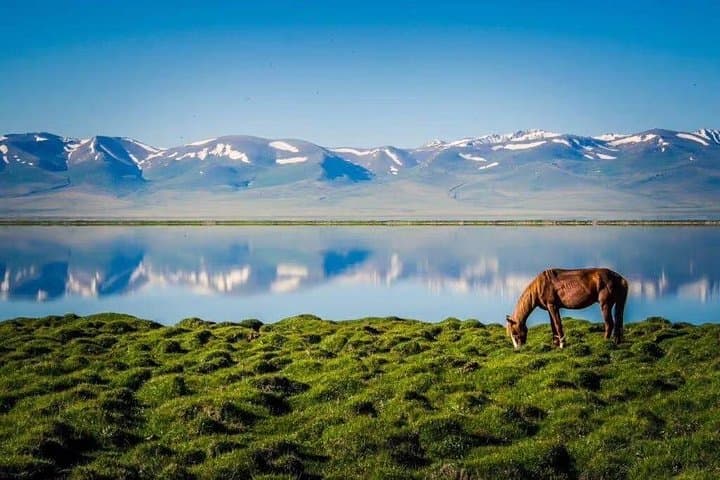
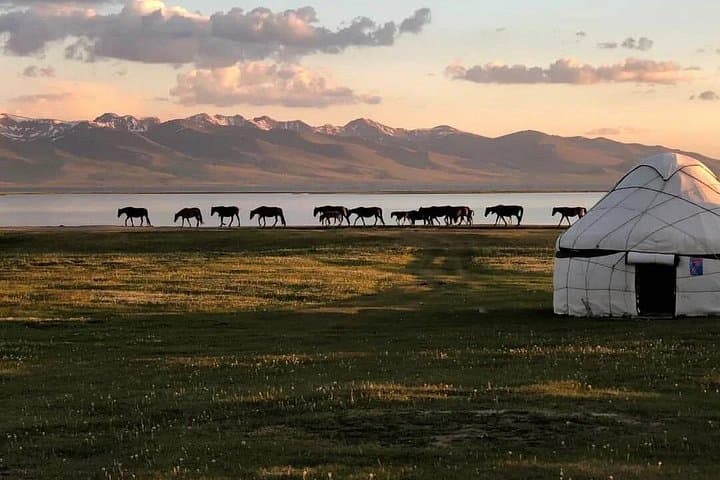
The morning air on the alpine steppe hits like a clear bell as you saddle up in Kyzart: wind, wide sky, and horses that know this ground. Riders move off across rolling meadows, the herd's rhythm setting the day's pace. By midday the Tuz Ashuu and Kara-Kyia passes open panoramas of jagged ridgelines, and Son‑Kul itself appears as a bright cut in the high pasture — a lake that reads like a cold mirror against summer green and winter white.
Verified experiences and guided adventures in the surrounding area.
Operated by BestTravel.go.kg · Kyzart, Naryn Region
The morning air on the alpine steppe hits like a clear bell as you saddle up in Kyzart: wind, wide sky, and horses that know this ground. Riders move off across rolling meadows, the herd's rhythm setting the day's pace. By midday the Tuz Ashuu and Kara-Kyia passes open panoramas of jagged ridgelines, and Son‑Kul itself appears as a bright cut in the high pasture — a lake that reads like a cold mirror against summer green and winter white.
This region sits on ancient migration routes used by Kyrgyz nomads for centuries; the yurts on the lakeshore are a living chapter of that pastoral culture. Geologically, Son‑Kul occupies a high intermontane basin at about 3,016 m, shaped by glacial action and seasonal snowpack that feeds the surrounding grasslands. Birdlife is prolific here — cranes and golden eagles patrol the thermals — and local shepherds maintain grazing patterns that have sustained these pastures for generations.
Practically, expect three days of guided riding with overnight stays in traditional felt yurts, simple meals, and stretches of brisk hiking once at the lake. Trails cross high passes with short steep pitches and uneven steppe; altitude and weather are the dominant variables. Hydrate well, layer for wind and sun, and allow time for acclimatization. Photography windows favor sunrise and late afternoon when the light flattens the plateau and the horses' breath becomes steam. Respect grazing animals and refuse bins are rare — pack out what you bring in. This is a compact, immersive ride that hands you a piece of nomadic life and a very immediate sense of alpine space.
Moderate fitness is required: you should be comfortable riding 3–4 hours per day and walking brief stretches; prior riding experience helps but beginners with basic fitness can usually participate.
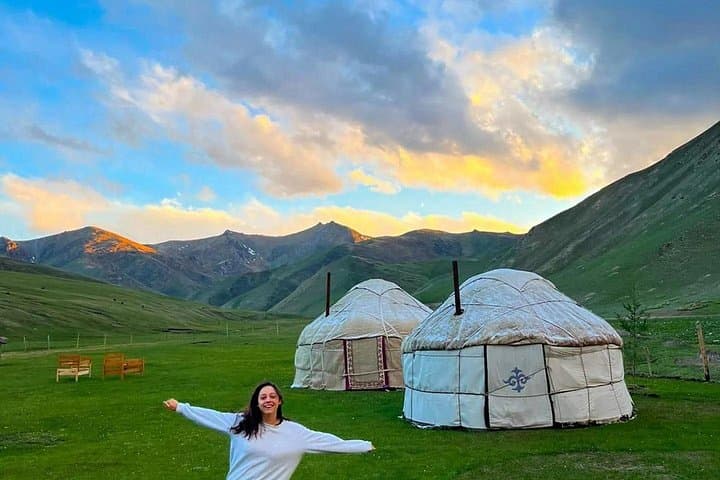
Yurts are traditional felt dwellings with simple wooden beds, overnight blankets, and communal dining; expect basic heating, shared facilities, and authentic local meals.
Summer (June–September) offers the warmest weather and active grazing; late spring and early fall can be quiet and cooler; the lake freezes November–May, limiting horseback access.
Children with riding experience and good stamina may join, but confirm age/weight limits with the operator and consider altitude effects on younger travelers.
BestTravel.go.kg operates guided outdoor trips and adventures with an emphasis on safety, stewardship, and memorable experiences.
The morning air on the alpine steppe hits like a clear bell as you saddle up in Kyzart: wind, wide sky, and horses that know this ground. Riders move off across rolling meadows, the herd's rhythm setting the day's pace. By midday the Tuz Ashuu and Kara-Kyia passes open panoramas of jagged ridgelines, and Son‑Kul itself appears as a bright cut in the high pasture — a lake that reads like a cold mirror against summer green and winter white.
The morning air on the alpine steppe hits like a clear bell as you saddle up in Kyzart: wind, wide sky, and horses that know this ground. Riders move off across rolling meadows, the herd's rhythm setting the day's pace. By midday the Tuz Ashuu and Kara-Kyia passes open panoramas of jagged ridgelines, and Son‑Kul itself appears as a bright cut in the high pasture — a lake that reads like a cold mirror against summer green and winter white.
This region sits on ancient migration routes used by Kyrgyz nomads for centuries; the yurts on the lakeshore are a living chapter of that pastoral culture. Geologically, Son‑Kul occupies a high intermontane basin at about 3,016 m, shaped by glacial action and seasonal snowpack that feeds the surrounding grasslands. Birdlife is prolific here — cranes and golden eagles patrol the thermals — and local shepherds maintain grazing patterns that have sustained these pastures for generations.
Practically, expect three days of guided riding with overnight stays in traditional felt yurts, simple meals, and stretches of brisk hiking once at the lake. Trails cross high passes with short steep pitches and uneven steppe; altitude and weather are the dominant variables. Hydrate well, layer for wind and sun, and allow time for acclimatization. Photography windows favor sunrise and late afternoon when the light flattens the plateau and the horses' breath becomes steam. Respect grazing animals and refuse bins are rare — pack out what you bring in. This is a compact, immersive ride that hands you a piece of nomadic life and a very immediate sense of alpine space.
