THE ADVENTURE COLLECTIVE® · Independent discovery and booking for outdoor travel

Spend two days crossing alpine passes and sleeping in traditional yurts at Song Kul Lake. This small-group tour blends Silk Road history, high-mountain pastureland, and hands-on nomadic experiences like horseback riding and family-style meals.
Spend two days crossing alpine passes and sleeping in traditional yurts at Song Kul Lake. This small-group tour blends Silk Road history, high-mountain pastureland, and hands-on nomadic experiences like horseback riding and family-style meals.
A dawn mist lifts off the high pastures of Song Kul as the minibus grinds up Kalmak Ashuu Pass, revealing herds of horses and sheep grazing on the open steppe. Wind and sky push travelers toward a ring of yurts on the lake’s shoreline, where the air tastes like grass and boiled tea.
Verified experiences and guided adventures in the surrounding area.
Operated by Budget Nomad Tours Kyrgyzstan · Song-Kul, Naryn Region
A dawn mist lifts off the high pastures of Song Kul as the minibus grinds up Kalmak Ashuu Pass, revealing herds of horses and sheep grazing on the open steppe. Wind and sky push travelers toward a ring of yurts on the lake’s shoreline, where the air tastes like grass and boiled tea.
Song Kul sits in Kyrgyzstan’s Naryn region as a high-altitude alpine lake shaped by glacial and tectonic forces; surrounding passes like Kalmak Ashuu (3,446 m) have guided caravans and herders for centuries. The route stops at Burana Tower, an 11th-century Silk Road minaret, offering a cultural counterpoint to the nomadic life still lived around the lake.
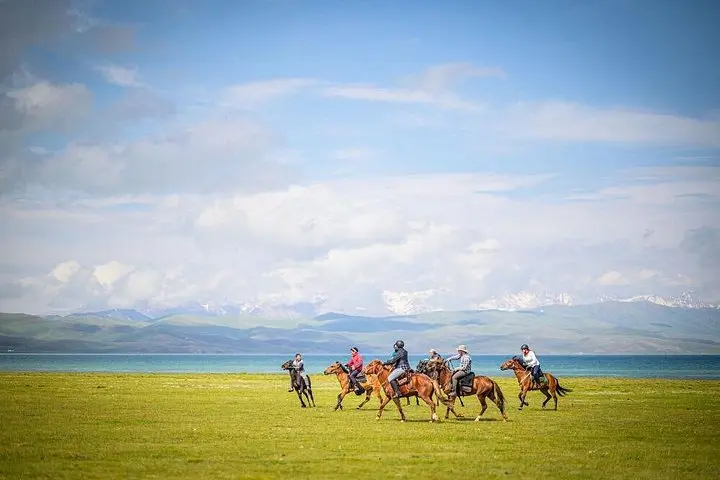
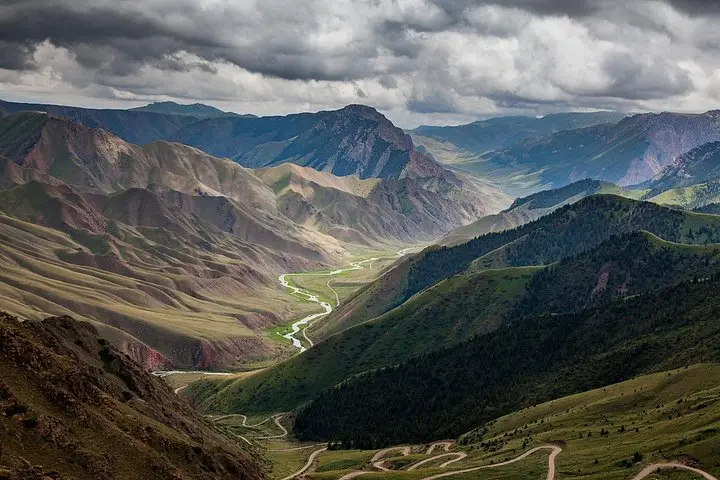
Over two days, visitors share yurt accommodation, home-cooked meals, and choices between horseback rides across wide meadows or short hikes to sweeping viewpoints. The 33 Parrots Pass on the return adds a serpentine alpine corridor and a refreshment stop at a waterfall fed by lake runoff.
Practical notes: this trip is vehicle-supported and suitable for most fitness levels, but altitude and unpaved roads make layered clothing, good footwear, and hydration essential. Respect livestock and local customs—ask before photographing people or approaching animals. Summer (June–September) is the primary season for open passes and accessible yurt camps; outside that window roads and camps are often closed.
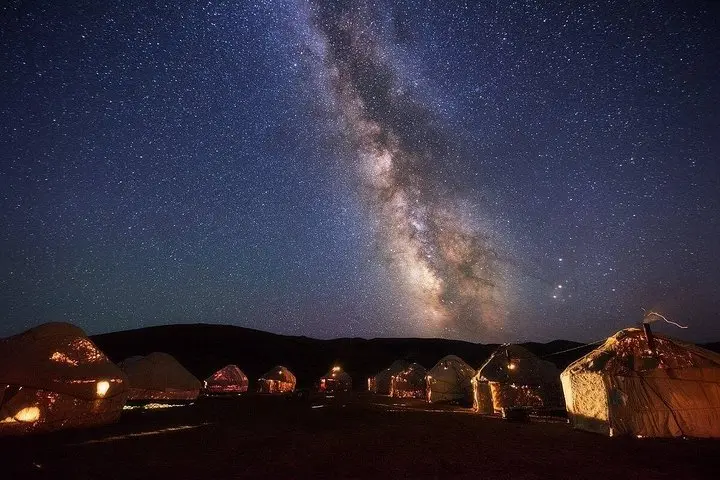
Expect long driving stretches broken by purposeful stops—museums, reservoirs, family-run guesthouses—and two crisp nights under a star-filled sky. It’s an immersive, low-impact way to experience contemporary nomadism framed by geological scale and seasonal rhythms.
Expect long stretches on paved and rough unpaved roads; the minibus handles the route, but some transfers are bumpy and slow.
Yurts are communal with 3–5 people per yurt on this tour; bedding is provided and facilities are basic but clean.
Late June through early September when passes are open, pastures are green, and nomadic camps operate at the lake.
Yes—short, guided rides across the pasture are offered and suitable for beginners, though riders should inform guides of experience level.
Budget Nomad Tours Kyrgyzstan operates guided outdoor trips and adventures with an emphasis on safety, stewardship, and memorable experiences.
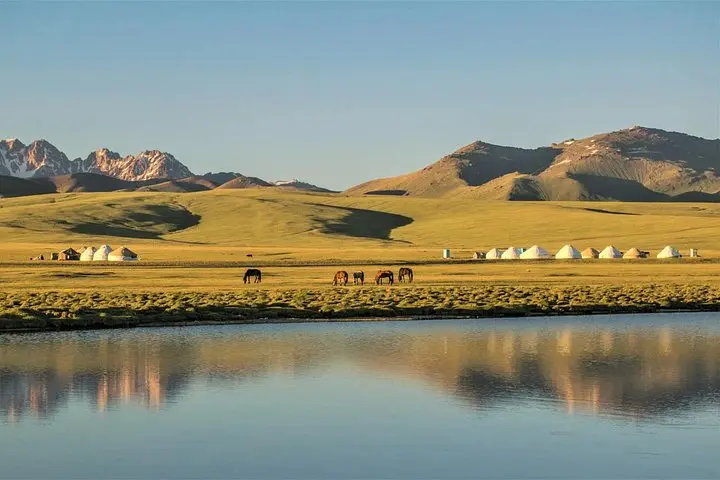
A dawn mist lifts off the high pastures of Song Kul as the minibus grinds up Kalmak Ashuu Pass, revealing herds of horses and sheep grazing on the open steppe. Wind and sky push travelers toward a ring of yurts on the lake’s shoreline, where the air tastes like grass and boiled tea.
A dawn mist lifts off the high pastures of Song Kul as the minibus grinds up Kalmak Ashuu Pass, revealing herds of horses and sheep grazing on the open steppe. Wind and sky push travelers toward a ring of yurts on the lake’s shoreline, where the air tastes like grass and boiled tea.
Song Kul sits in Kyrgyzstan’s Naryn region as a high-altitude alpine lake shaped by glacial and tectonic forces; surrounding passes like Kalmak Ashuu (3,446 m) have guided caravans and herders for centuries. The route stops at Burana Tower, an 11th-century Silk Road minaret, offering a cultural counterpoint to the nomadic life still lived around the lake.
Over two days, visitors share yurt accommodation, home-cooked meals, and choices between horseback rides across wide meadows or short hikes to sweeping viewpoints. The 33 Parrots Pass on the return adds a serpentine alpine corridor and a refreshment stop at a waterfall fed by lake runoff.
Practical notes: this trip is vehicle-supported and suitable for most fitness levels, but altitude and unpaved roads make layered clothing, good footwear, and hydration essential. Respect livestock and local customs—ask before photographing people or approaching animals. Summer (June–September) is the primary season for open passes and accessible yurt camps; outside that window roads and camps are often closed.
Expect long driving stretches broken by purposeful stops—museums, reservoirs, family-run guesthouses—and two crisp nights under a star-filled sky. It’s an immersive, low-impact way to experience contemporary nomadism framed by geological scale and seasonal rhythms.