THE ADVENTURE COLLECTIVE® · Independent discovery and booking for outdoor travel

Feel the pulse of a local Kansai night: place a ¥500 bet at Sonoda Racetrack, then unwind in a Showa-era izakaya where locals gather. This three-hour tour pairs high-energy racing with intimate, old-school drinking culture—ideal for travelers seeking authentic everyday Japan.
Feel the pulse of a local Kansai night: place a ¥500 bet at Sonoda Racetrack, then unwind in a Showa-era izakaya where locals gather. This three-hour tour pairs high-energy racing with intimate, old-school drinking culture—ideal for travelers seeking authentic everyday Japan.
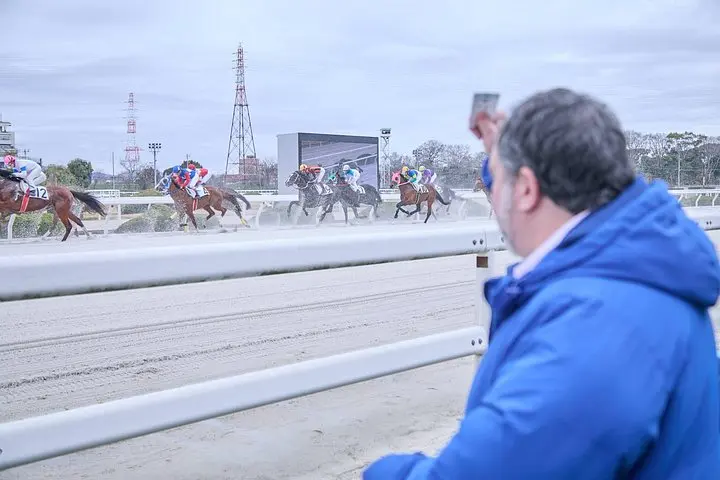
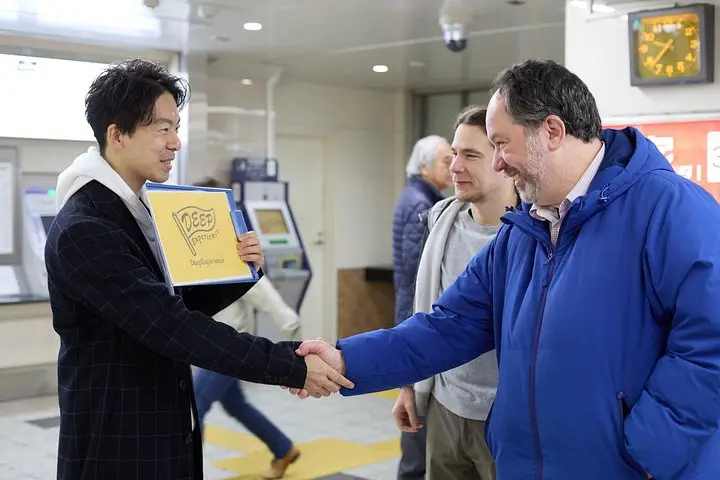
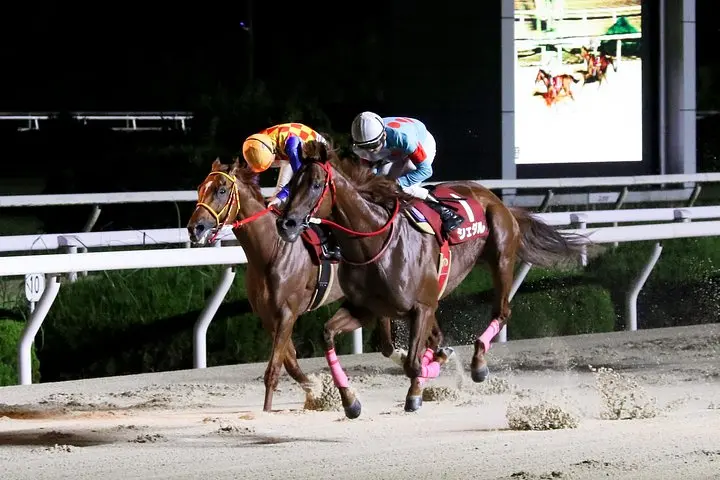
The evening begins under sodium lights and commuter hum—arrive at Hankyu Sonoda and you feel a neighborhood slowing into ritual. Crowds funnel toward the oval of Sonoda Racetrack: voices rise, program sheets rustle, and the thunder of hooves slices the night. You’re given a ¥500 token, guided through odds and shorthand by an English-speaking host, and soon you’re part of the chorus of locals watching a genuine Kansai spectacle.
Verified experiences and guided adventures in the surrounding area.
Operated by DeepExperience · Amagasaki, Hyogo Prefecture
The evening begins under sodium lights and commuter hum—arrive at Hankyu Sonoda and you feel a neighborhood slowing into ritual. Crowds funnel toward the oval of Sonoda Racetrack: voices rise, program sheets rustle, and the thunder of hooves slices the night. You’re given a ¥500 token, guided through odds and shorthand by an English-speaking host, and soon you’re part of the chorus of locals watching a genuine Kansai spectacle.
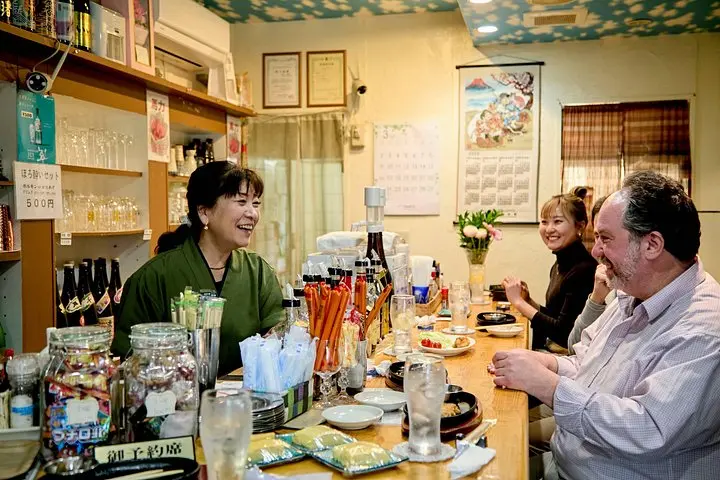
Amagasaki sits on the Osaka Plain, a working city shaped by postwar growth and the Showa period’s popular culture. Horse racing in this region dates to modern organized tracks established in the early 20th century, and Sonoda developed into a tight-knit local scene rather than a tourist attraction. After the races, the group slips into a retro izakaya near the station—wooden counters, handwritten menus, and cheap sake—where Showa-era décor and everyday hospitality remain intact.
Expect lively, compact spaces and straightforward food: yakitori, oden, small plates designed to pair with drinks. Transport is efficient—Hankyu and JR lines connect to central Osaka in 20–30 minutes—making this a doable evening outing from the city.
Practical guidance: bring cash (many izakayas prefer it), dress in comfortable layers for the open-air stands, and arrive with time to scan programs and place a small bet. Respect the local atmosphere: keep voices moderate inside taverns, follow the guide when in betting areas, and be prepared for smoking in some older establishments. This 3‑hour tour is low-effort but high on cultural texture—a compact, authentic slice of Kansai night life.
No—your English-speaking guide will explain basic betting options and help you use your ¥500 token, so no prior knowledge is required.
Yes—most racetracks in Japan permit alcohol in designated areas; follow stadium rules and your guide’s instructions.
Some older izakayas may permit smoking; if you need a non-smoking space, inform the operator or guide in advance.
The race viewing is family-friendly, but izakaya visits include alcohol and some venues may be adult-oriented—check age policies when booking.
DeepExperience operates guided outdoor trips and adventures with an emphasis on safety, stewardship, and memorable experiences.
The evening begins under sodium lights and commuter hum—arrive at Hankyu Sonoda and you feel a neighborhood slowing into ritual. Crowds funnel toward the oval of Sonoda Racetrack: voices rise, program sheets rustle, and the thunder of hooves slices the night. You’re given a ¥500 token, guided through odds and shorthand by an English-speaking host, and soon you’re part of the chorus of locals watching a genuine Kansai spectacle.
The evening begins under sodium lights and commuter hum—arrive at Hankyu Sonoda and you feel a neighborhood slowing into ritual. Crowds funnel toward the oval of Sonoda Racetrack: voices rise, program sheets rustle, and the thunder of hooves slices the night. You’re given a ¥500 token, guided through odds and shorthand by an English-speaking host, and soon you’re part of the chorus of locals watching a genuine Kansai spectacle.
Amagasaki sits on the Osaka Plain, a working city shaped by postwar growth and the Showa period’s popular culture. Horse racing in this region dates to modern organized tracks established in the early 20th century, and Sonoda developed into a tight-knit local scene rather than a tourist attraction. After the races, the group slips into a retro izakaya near the station—wooden counters, handwritten menus, and cheap sake—where Showa-era décor and everyday hospitality remain intact.
Expect lively, compact spaces and straightforward food: yakitori, oden, small plates designed to pair with drinks. Transport is efficient—Hankyu and JR lines connect to central Osaka in 20–30 minutes—making this a doable evening outing from the city.
Practical guidance: bring cash (many izakayas prefer it), dress in comfortable layers for the open-air stands, and arrive with time to scan programs and place a small bet. Respect the local atmosphere: keep voices moderate inside taverns, follow the guide when in betting areas, and be prepared for smoking in some older establishments. This 3‑hour tour is low-effort but high on cultural texture—a compact, authentic slice of Kansai night life.