THE ADVENTURE COLLECTIVE® · Independent discovery and booking for outdoor travel

Explore Sonoma Plaza on a private 3-hour walking tour that pairs local food tastings with history. Expect 1.5 miles of easy walking, several tasting stops and stories about the mission, Bear Flag Revolt and early winemakers.
Explore Sonoma Plaza on a private 3-hour walking tour that pairs local food tastings with history. Expect 1.5 miles of easy walking, several tasting stops and stories about the mission, Bear Flag Revolt and early winemakers.
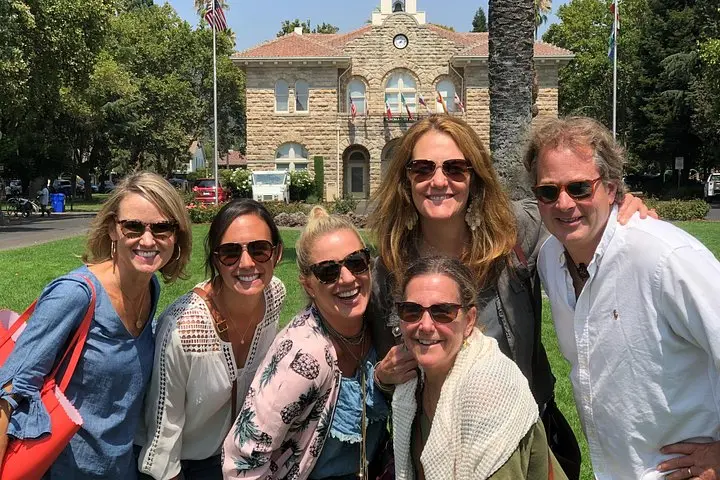
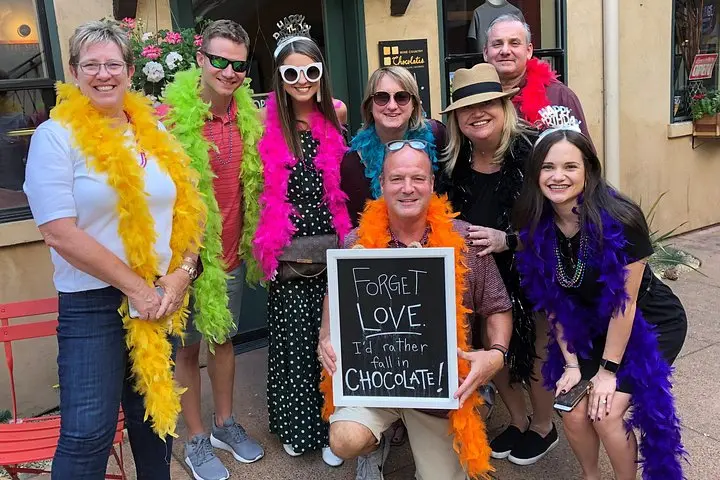
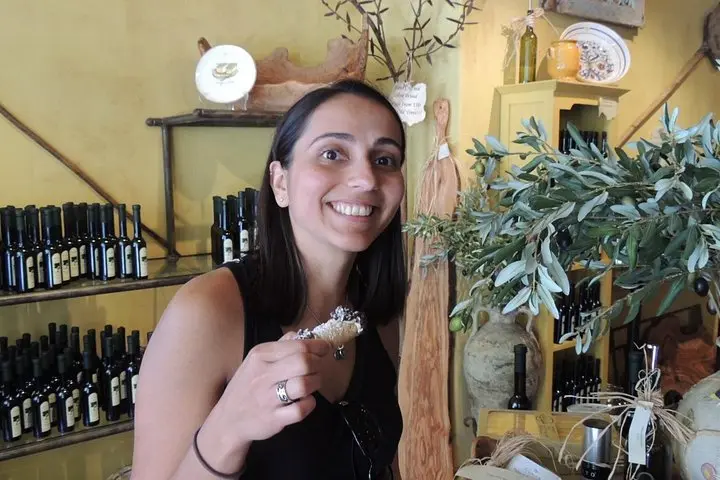
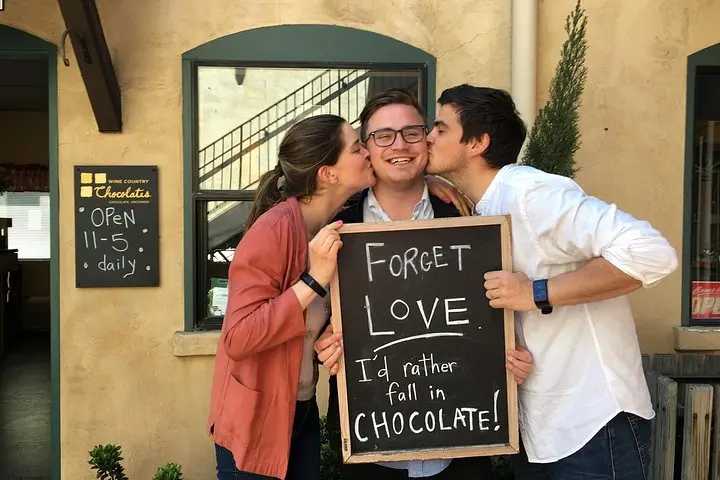
The square opens like a stage: flagstones warmed by the sun, oaks leaning in as if to listen while the first pour is uncorked. A small group moves at an easy pace—three hours, roughly 1.5 miles—through downtown Sonoma, stopping at family-run delis, olive oil shops and chocolatiers whose counters offer more than food: they hand over stories.
Verified experiences and guided adventures in the surrounding area.
Operated by Sonoma Food Tour · Sonoma, California
The square opens like a stage: flagstones warmed by the sun, oaks leaning in as if to listen while the first pour is uncorked. A small group moves at an easy pace—three hours, roughly 1.5 miles—through downtown Sonoma, stopping at family-run delis, olive oil shops and chocolatiers whose counters offer more than food: they hand over stories.
Sonoma’s story is visible in its plaza and mission. The Sonoma Mission, founded in the early 19th century, and the Bear Flag monument recall the Spanish, Mexican and early American eras that shaped California’s wine country. Geologically, the valley is a shallow basin ringed by low hills—volcanic soils and alluvial fans create the diverse terroir behind nearby vineyards, and the climate is cool-moderate thanks to coastal breezes that push inland each afternoon.
Culturally the tour threads local producers into the town’s living history: Italian-American vintners, artisan cheesemakers, and chocolatiers who source regionally. Guides provide context—how irrigation, railroad access and immigrant labor built the valley’s foodways—while platefuls of tasting-size items add up to a satisfying progressive lunch.
Practical notes: expect frequent standing and short walks on pavement; comfortable shoes and a refillable water bottle make the day easier. Bring valid ID for wine tastings and notify the operator 24 hours before if you have dietary restrictions. The tour operates in most weather—layers are recommended—and mobility access is available for most stops. For groups of eight or more this private-format walk balances neighborhood-level history with reliably good local flavors.
Yes—tastings at each scheduled stop and portions equivalent to a lunch are included in the tour price.
Most areas and surfaces in downtown Sonoma and the tour route are wheelchair accessible; notify the operator at booking to confirm accommodations.
Email [email protected] at least 24 hours before the tour with any allergies or dietary needs so alternatives can be arranged.
Meet at the steps of the train caboose between the Depot Museum Parking Lot and the Depot Museum in Sonoma Plaza.
Sonoma Food Tour operates guided outdoor trips and adventures with an emphasis on safety, stewardship, and memorable experiences.
The square opens like a stage: flagstones warmed by the sun, oaks leaning in as if to listen while the first pour is uncorked. A small group moves at an easy pace—three hours, roughly 1.5 miles—through downtown Sonoma, stopping at family-run delis, olive oil shops and chocolatiers whose counters offer more than food: they hand over stories.
The square opens like a stage: flagstones warmed by the sun, oaks leaning in as if to listen while the first pour is uncorked. A small group moves at an easy pace—three hours, roughly 1.5 miles—through downtown Sonoma, stopping at family-run delis, olive oil shops and chocolatiers whose counters offer more than food: they hand over stories.
Sonoma’s story is visible in its plaza and mission. The Sonoma Mission, founded in the early 19th century, and the Bear Flag monument recall the Spanish, Mexican and early American eras that shaped California’s wine country. Geologically, the valley is a shallow basin ringed by low hills—volcanic soils and alluvial fans create the diverse terroir behind nearby vineyards, and the climate is cool-moderate thanks to coastal breezes that push inland each afternoon.
Culturally the tour threads local producers into the town’s living history: Italian-American vintners, artisan cheesemakers, and chocolatiers who source regionally. Guides provide context—how irrigation, railroad access and immigrant labor built the valley’s foodways—while platefuls of tasting-size items add up to a satisfying progressive lunch.
Practical notes: expect frequent standing and short walks on pavement; comfortable shoes and a refillable water bottle make the day easier. Bring valid ID for wine tastings and notify the operator 24 hours before if you have dietary restrictions. The tour operates in most weather—layers are recommended—and mobility access is available for most stops. For groups of eight or more this private-format walk balances neighborhood-level history with reliably good local flavors.