THE ADVENTURE COLLECTIVE® · Independent discovery and booking for outdoor travel
Watch the Namib wake: this three-day tour from Windhoek puts you on Dune 45, Big Daddy and the white clay pan of Deadvlei at first light. Expect long drives, steep sand climbs and striking photographic light.
Watch the Namib wake: this three-day tour from Windhoek puts you on Dune 45, Big Daddy and the white clay pan of Deadvlei at first light. Expect long drives, steep sand climbs and striking photographic light.
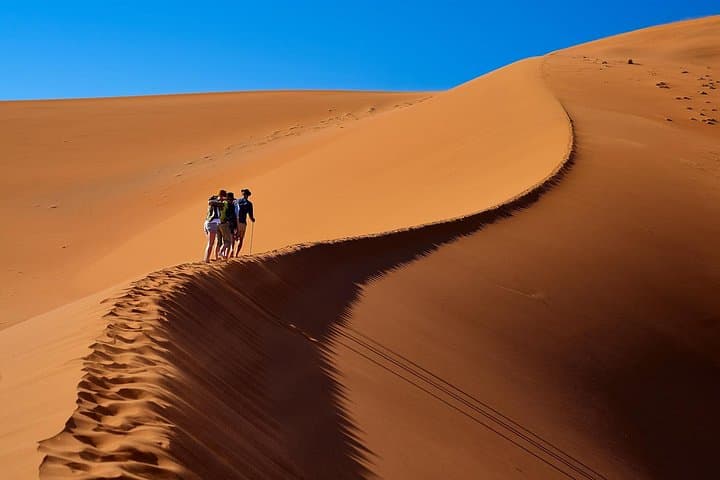
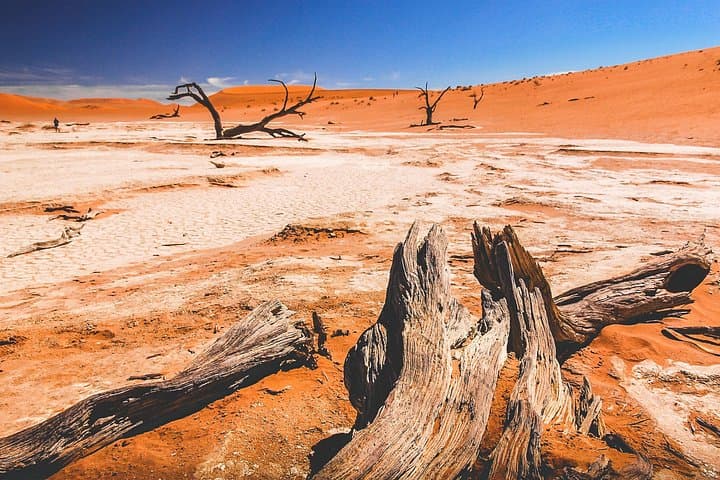
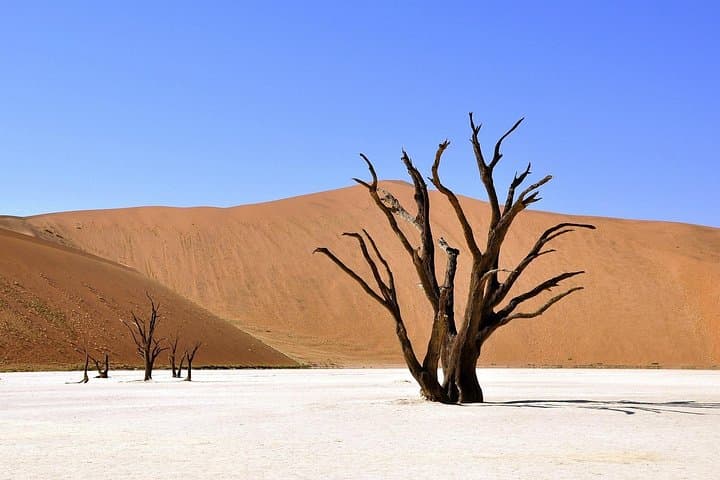
Before dawn the desert speaks in temperature and shadow: cold air pockets gather between ripples of sand while the first light threads across dune crests. On this three-day loop from Windhoek the sand dunes of the Namib are the main character—Dune 45’s neat 100‑meter rise, the imposing 350‑meter Big Daddy, and the bleached pan of Deadvlei framed by stunted camelthorn.
Verified experiences and guided adventures in the surrounding area.
Operated by Nali Safaris Namibia · Windhoek, Khomas
Before dawn the desert speaks in temperature and shadow: cold air pockets gather between ripples of sand while the first light threads across dune crests. On this three-day loop from Windhoek the sand dunes of the Namib are the main character—Dune 45’s neat 100‑meter rise, the imposing 350‑meter Big Daddy, and the bleached pan of Deadvlei framed by stunted camelthorn.
Geology here is plain and old—sand blown from the Orange River and coastal plains has piled for millions of years, producing some of the tallest stationary dunes on Earth. The park’s human history is quieter but anchored: the Basters of Rehoboth and small outposts like Solitaire mark travel routes and colonial-era settlement patterns along the escarpment. Wildlife is sparse but present; gemsbok and springbok navigate washes and ostrich roam the flats.
Practical rhythm: pickup from Windhoek around 9:00 on day one, two nights in a 3‑star lodge near Sesriem, long predawn start to reach the dunes by sunrise, and a return through Spreetshoogte pass on day three. Expect a 60‑km drive from the dune entrance to Sossusvlei and a short transfer of about 5 km into the dune field by specialist vehicle. Climbing Big Daddy is steep and on loose sand—allow 1–2 hours up depending on pace.
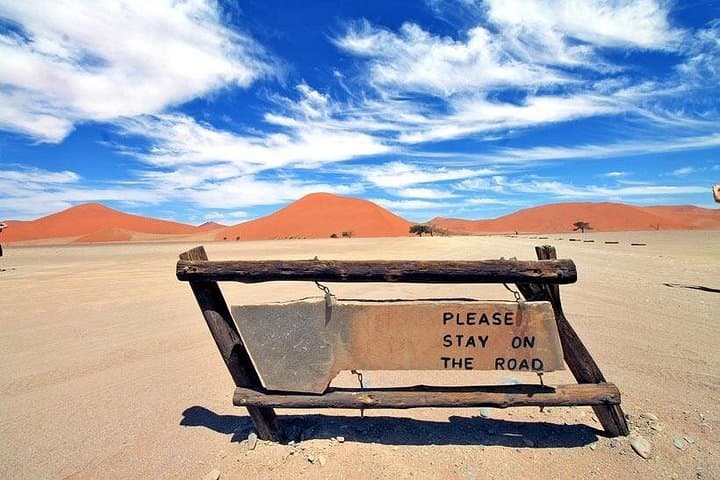
Pack sun protection, 3–4 liters of water per person, good traction footwear for sand, and layered clothing for big diurnal swings. Timing is everything: arrive for sunrise for the best light and cooler temperatures; avoid midday climbs. Follow park rules, stay on designated routes, and give the desert the space it asks for.
Big Daddy is steep and mostly loose sand; expect a sustained uphill effort taking 1–2 hours depending on fitness—pace yourself and use frequent short breaks.
Special desert vehicles handle the last sandy transfer; the tour provides the appropriate transport so you do not need your own 4x4.
Yes—national park fees are included in the tour package as listed in the inclusions.
Children can join but must be accompanied by an adult and meet any age or health requirements specified by the operator; check the booking details for child rates and policies.
Nali Safaris Namibia operates guided outdoor trips and adventures with an emphasis on safety, stewardship, and memorable experiences.
Before dawn the desert speaks in temperature and shadow: cold air pockets gather between ripples of sand while the first light threads across dune crests. On this three-day loop from Windhoek the sand dunes of the Namib are the main character—Dune 45’s neat 100‑meter rise, the imposing 350‑meter Big Daddy, and the bleached pan of Deadvlei framed by stunted camelthorn.
Before dawn the desert speaks in temperature and shadow: cold air pockets gather between ripples of sand while the first light threads across dune crests. On this three-day loop from Windhoek the sand dunes of the Namib are the main character—Dune 45’s neat 100‑meter rise, the imposing 350‑meter Big Daddy, and the bleached pan of Deadvlei framed by stunted camelthorn.
Geology here is plain and old—sand blown from the Orange River and coastal plains has piled for millions of years, producing some of the tallest stationary dunes on Earth. The park’s human history is quieter but anchored: the Basters of Rehoboth and small outposts like Solitaire mark travel routes and colonial-era settlement patterns along the escarpment. Wildlife is sparse but present; gemsbok and springbok navigate washes and ostrich roam the flats.
Practical rhythm: pickup from Windhoek around 9:00 on day one, two nights in a 3‑star lodge near Sesriem, long predawn start to reach the dunes by sunrise, and a return through Spreetshoogte pass on day three. Expect a 60‑km drive from the dune entrance to Sossusvlei and a short transfer of about 5 km into the dune field by specialist vehicle. Climbing Big Daddy is steep and on loose sand—allow 1–2 hours up depending on pace.
Pack sun protection, 3–4 liters of water per person, good traction footwear for sand, and layered clothing for big diurnal swings. Timing is everything: arrive for sunrise for the best light and cooler temperatures; avoid midday climbs. Follow park rules, stay on designated routes, and give the desert the space it asks for.
