THE ADVENTURE COLLECTIVE® · Independent discovery and booking for outdoor travel

A five-day circuit from the red dunes of Sossusvlei to the surf-cut sands of Sandwich Harbour, this tour combines sunrise dune light, Deadvlei’s skeletal trees and coastal wildlife for exceptional landscape photography. Early mornings, guided 4x4 access, and varied terrain make planning and packing essential.
A five-day circuit from the red dunes of Sossusvlei to the surf-cut sands of Sandwich Harbour, this tour combines sunrise dune light, Deadvlei’s skeletal trees and coastal wildlife for exceptional landscape photography. Early mornings, guided 4x4 access, and varied terrain make planning and packing essential.
Before dawn the sand exhales a slow, warm light. Photographers watch as Big Daddy and Dune 45 throw long, ink-black shadows across Deadvlei’s bleached clay—the dead camelthorn trees like frozen gestures against vermilion slopes. A few days later the same trip delivers a different insistence: waves pushing white rims against the base of dunes at Sandwich Harbour, where the desert dares the Atlantic to move it.
Verified experiences and guided adventures in the surrounding area.
Operated by People Tours and Safari cc · Sesriem, Hardap
Before dawn the sand exhales a slow, warm light. Photographers watch as Big Daddy and Dune 45 throw long, ink-black shadows across Deadvlei’s bleached clay—the dead camelthorn trees like frozen gestures against vermilion slopes. A few days later the same trip delivers a different insistence: waves pushing white rims against the base of dunes at Sandwich Harbour, where the desert dares the Atlantic to move it.
Geology here is driven by time and wind. The Namib’s red dunes—some approaching 400 meters—are iron-oxide-rich sand piles sculpted by constant southeastern trade winds. Deadvlei’s cracked pan and preserved tree skeletons tell a climatic story of occasional floods and long droughts. Culturally, the coast bears traces of German colonial architecture in Swakopmund and a fishing history at Walvis Bay and Sandwich Harbour; inland, the land is part of long-standing Herero and Nama territories.
Practical guidance is straightforward: shoot sunrise in Sossusvlei and sunset at Dune 45 for contrasting light; reserve guided 4x4 access to Sandwich Harbour (soft sand and tidal channels require local knowledge). Expect early starts, dusty roads, and sections that are best experienced on foot and by vehicle. Carry at least 3–4 liters of water per person, a wide-angle and telephoto lens for landscapes and wildlife, sun protection, and sturdy boots for dune ascents. Respect wildlife distances—oryx and springbok are skittish, seals at Cape Cross are not. With planning, this five-day loop pairs stark desert geometry with the tactile immediacy of the coast, delivering photography opportunities that range from intimate animal portraits to vast, graphic vistas.
Yes—access involves soft sand and tidal channels; guided 4x4 vehicles and local knowledge are required for safe entry and exit.
Yes—Namib-Naukluft National Park charges entrance and vehicle fees; confirm current rates and park hours in advance.
The climb is steep and sandy; it is short but physically demanding—allow 30–60 minutes depending on fitness and sand conditions.
Yes—look for oryx, springbok and ostrich in the desert; flamingos and other shorebirds at Walvis Bay; and Cape fur seals at Cape Cross.
People Tours and Safari cc operates guided outdoor trips and adventures with an emphasis on safety, stewardship, and memorable experiences.
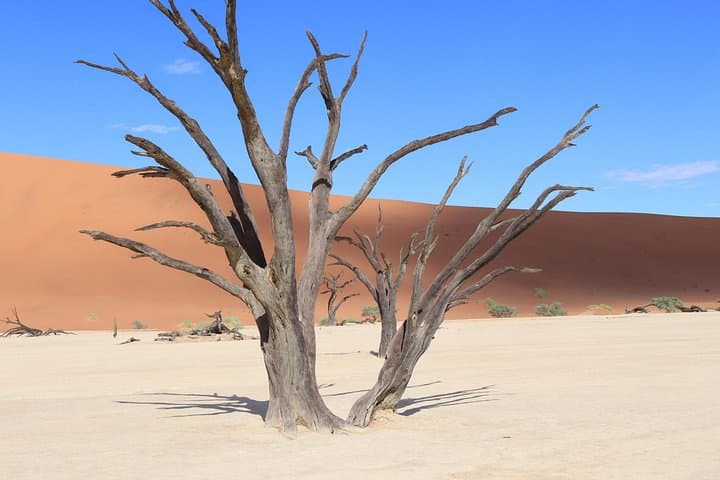
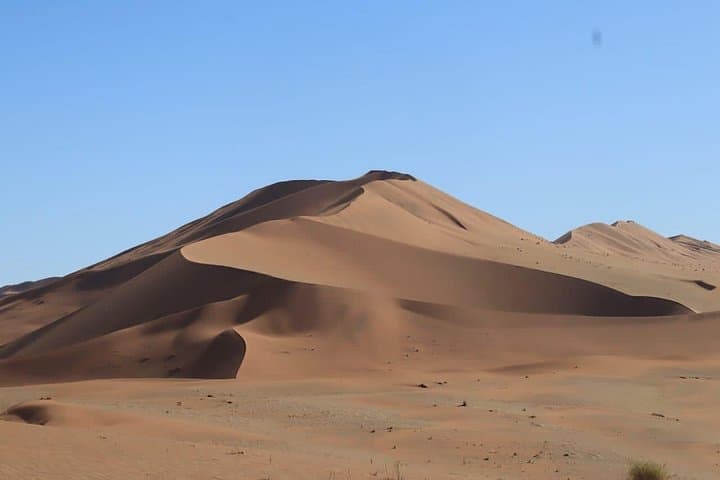
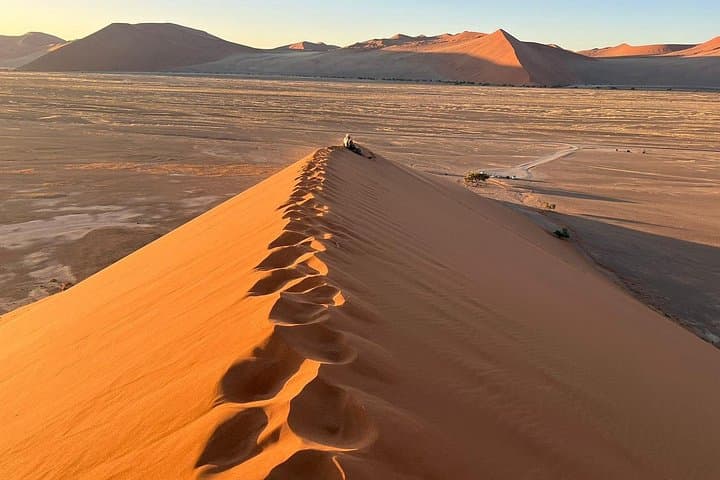
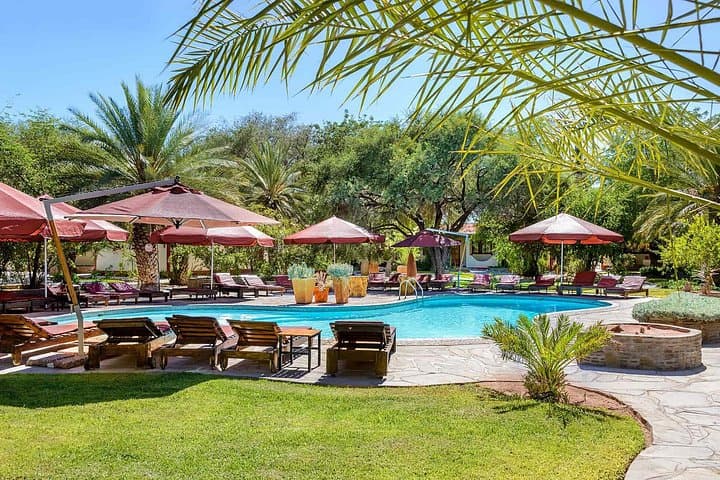
Before dawn the sand exhales a slow, warm light. Photographers watch as Big Daddy and Dune 45 throw long, ink-black shadows across Deadvlei’s bleached clay—the dead camelthorn trees like frozen gestures against vermilion slopes. A few days later the same trip delivers a different insistence: waves pushing white rims against the base of dunes at Sandwich Harbour, where the desert dares the Atlantic to move it.
Before dawn the sand exhales a slow, warm light. Photographers watch as Big Daddy and Dune 45 throw long, ink-black shadows across Deadvlei’s bleached clay—the dead camelthorn trees like frozen gestures against vermilion slopes. A few days later the same trip delivers a different insistence: waves pushing white rims against the base of dunes at Sandwich Harbour, where the desert dares the Atlantic to move it.
Geology here is driven by time and wind. The Namib’s red dunes—some approaching 400 meters—are iron-oxide-rich sand piles sculpted by constant southeastern trade winds. Deadvlei’s cracked pan and preserved tree skeletons tell a climatic story of occasional floods and long droughts. Culturally, the coast bears traces of German colonial architecture in Swakopmund and a fishing history at Walvis Bay and Sandwich Harbour; inland, the land is part of long-standing Herero and Nama territories.
Practical guidance is straightforward: shoot sunrise in Sossusvlei and sunset at Dune 45 for contrasting light; reserve guided 4x4 access to Sandwich Harbour (soft sand and tidal channels require local knowledge). Expect early starts, dusty roads, and sections that are best experienced on foot and by vehicle. Carry at least 3–4 liters of water per person, a wide-angle and telephoto lens for landscapes and wildlife, sun protection, and sturdy boots for dune ascents. Respect wildlife distances—oryx and springbok are skittish, seals at Cape Cross are not. With planning, this five-day loop pairs stark desert geometry with the tactile immediacy of the coast, delivering photography opportunities that range from intimate animal portraits to vast, graphic vistas.