THE ADVENTURE COLLECTIVE® · Independent discovery and booking for outdoor travel

Walk through Harlem’s cultural heartbeat: Striver’s Row brownstones, the Apollo’s marquee, and an evocative Sunday gospel service. This two-hour guided tour blends music history, architecture and lived community stories led by local guides.
Walk through Harlem’s cultural heartbeat: Striver’s Row brownstones, the Apollo’s marquee, and an evocative Sunday gospel service. This two-hour guided tour blends music history, architecture and lived community stories led by local guides.
You step off the 2 train into a pulse of horns, church bells and brisk sidewalk conversation; the guide is waiting at the Schomburg Center or, on Sundays, the Apollo Theatre, and the block feels less like a map point and more like a living record. The tour threads through brownstone-lined Striver's Row, pauses beneath marquee lights, and climbs the cadence of gospel in a packed Baptist church — an urban promenade that insists you listen.
Verified experiences and guided adventures in the surrounding area.
Operated by New York City By Foot · New York, NY
You step off the 2 train into a pulse of horns, church bells and brisk sidewalk conversation; the guide is waiting at the Schomburg Center or, on Sundays, the Apollo Theatre, and the block feels less like a map point and more like a living record. The tour threads through brownstone-lined Striver's Row, pauses beneath marquee lights, and climbs the cadence of gospel in a packed Baptist church — an urban promenade that insists you listen.
Harlem's streets are pages from four centuries: Lenape paths gave way to Dutch farms, then to a 20th-century cultural explosion that made the neighborhood synonymous with the Harlem Renaissance. Beneath the asphalt, Manhattan schist holds firm—its hard bedrock shaped the island's skyline and the heavy masonry of these row houses. Music, politics and migration rhythms left architecture, muraled storefronts and churches as tangible archives of change.
Expect focused storytelling: musicians, activists and local residents appear in anecdotes and photo stops. Guides are usually Harlem residents who balance social history with street-level context — where famous apartments sit, which jazz clubs incubated new sounds, and why gospel services still move the room. Practical notes get equal billing: the route is flat but paved, about two hours of walking with short, frequent stops.
Bring comfortable shoes, a charged phone for photos and a readiness to enter a community space respectfully — especially at live gospel services. Timing matters: weekday tours let you linger at Striver's Row; Sundays pivot toward congregational experience and a different rhythm. The tour is compact, immersive and built to leave you with routes to return to on your own.
Weekday departures meet at the Schomburg Center (515 Malcolm X Blvd) and end outside the Apollo Theatre; the Sunday gospel version meets at the Apollo and ends at a local church for the service.
Yes—visitors of all ages and beliefs attend; the guide will brief etiquette expectations and photography rules before entering the service.
Yes—stated accessible routes and venues are used where possible; contact the operator ahead of time to confirm specific accessibility needs.
Tipping is customary for guided walking tours; 10–20% or a few dollars per person is standard if you enjoyed the experience.
New York City By Foot operates guided outdoor trips and adventures with an emphasis on safety, stewardship, and memorable experiences.
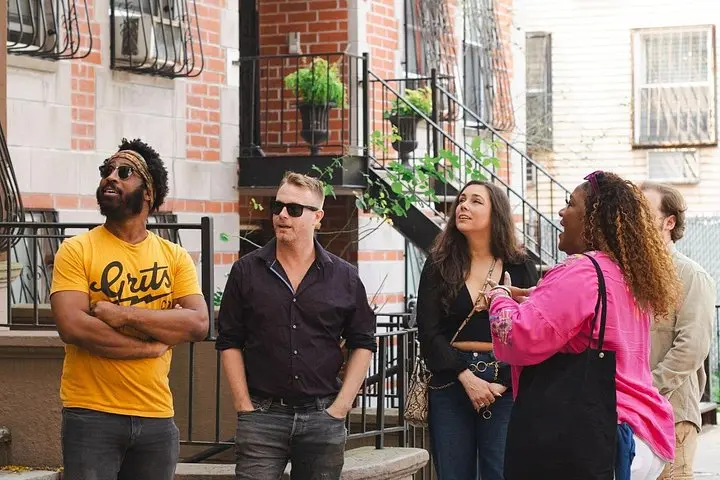
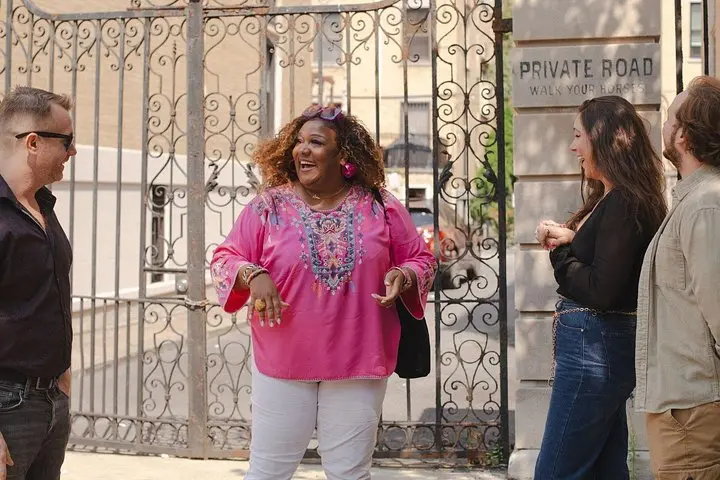
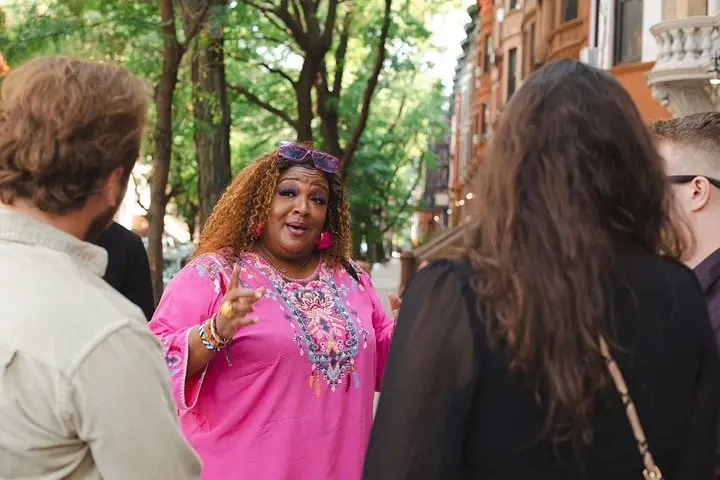

You step off the 2 train into a pulse of horns, church bells and brisk sidewalk conversation; the guide is waiting at the Schomburg Center or, on Sundays, the Apollo Theatre, and the block feels less like a map point and more like a living record. The tour threads through brownstone-lined Striver's Row, pauses beneath marquee lights, and climbs the cadence of gospel in a packed Baptist church — an urban promenade that insists you listen.
You step off the 2 train into a pulse of horns, church bells and brisk sidewalk conversation; the guide is waiting at the Schomburg Center or, on Sundays, the Apollo Theatre, and the block feels less like a map point and more like a living record. The tour threads through brownstone-lined Striver's Row, pauses beneath marquee lights, and climbs the cadence of gospel in a packed Baptist church — an urban promenade that insists you listen.
Harlem's streets are pages from four centuries: Lenape paths gave way to Dutch farms, then to a 20th-century cultural explosion that made the neighborhood synonymous with the Harlem Renaissance. Beneath the asphalt, Manhattan schist holds firm—its hard bedrock shaped the island's skyline and the heavy masonry of these row houses. Music, politics and migration rhythms left architecture, muraled storefronts and churches as tangible archives of change.
Expect focused storytelling: musicians, activists and local residents appear in anecdotes and photo stops. Guides are usually Harlem residents who balance social history with street-level context — where famous apartments sit, which jazz clubs incubated new sounds, and why gospel services still move the room. Practical notes get equal billing: the route is flat but paved, about two hours of walking with short, frequent stops.
Bring comfortable shoes, a charged phone for photos and a readiness to enter a community space respectfully — especially at live gospel services. Timing matters: weekday tours let you linger at Striver's Row; Sundays pivot toward congregational experience and a different rhythm. The tour is compact, immersive and built to leave you with routes to return to on your own.