THE ADVENTURE COLLECTIVE® · Independent discovery and booking for outdoor travel

Explore Ladakh’s living monasteries on a 5‑day guided circuit from Uleytokpo to Leh. Expect dramatic badlands, centuries‑old murals and daily monastic rituals combined with paced drives for high‑altitude acclimatization.
Explore Ladakh’s living monasteries on a 5‑day guided circuit from Uleytokpo to Leh. Expect dramatic badlands, centuries‑old murals and daily monastic rituals combined with paced drives for high‑altitude acclimatization.
You arrive into thin air and a sky that feels larger than usual — Leh’s plain opens like a high‑altitude theater where prayer flags stitch color into wind. The first day’s drive down the Indus follows a current of shale and river, bringing you to Uleytokpo, a village ringed with apricot trees and the low chant of gompas.
Verified experiences and guided adventures in the surrounding area.
Operated by EXPERT TOURS & TRAVELS · Leh, Ladakh
You arrive into thin air and a sky that feels larger than usual — Leh’s plain opens like a high‑altitude theater where prayer flags stitch color into wind. The first day’s drive down the Indus follows a current of shale and river, bringing you to Uleytokpo, a village ringed with apricot trees and the low chant of gompas.
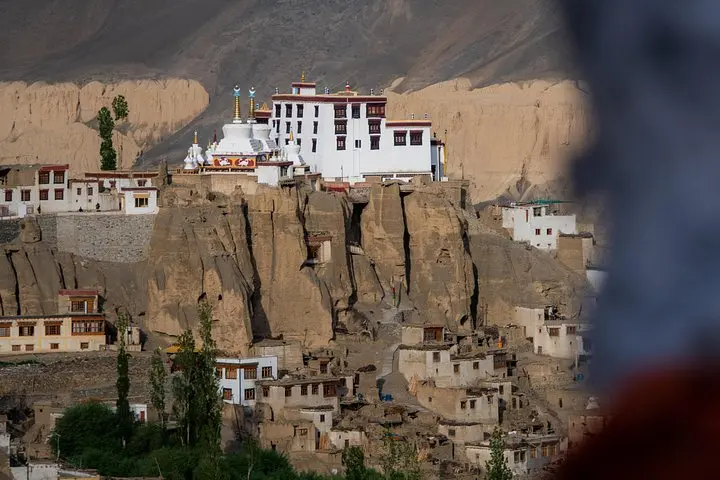
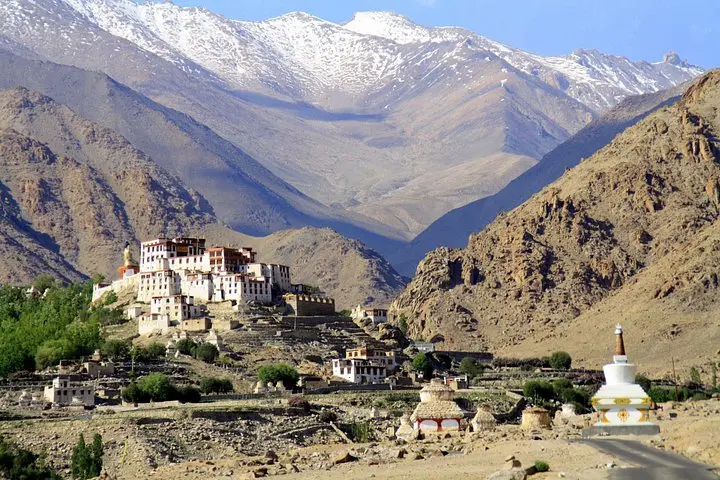
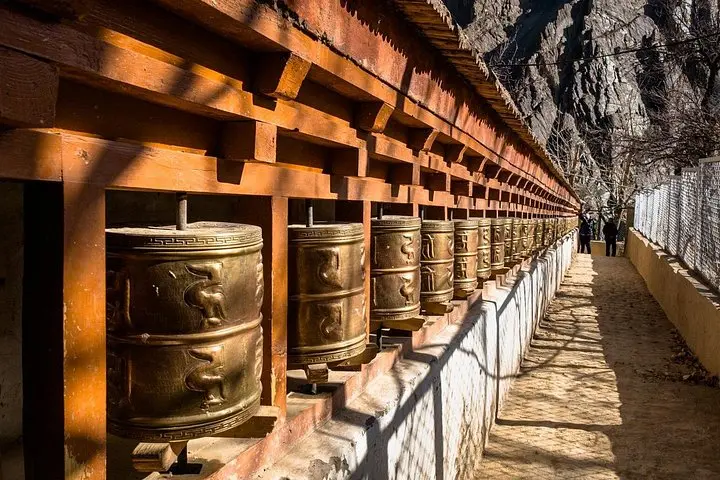
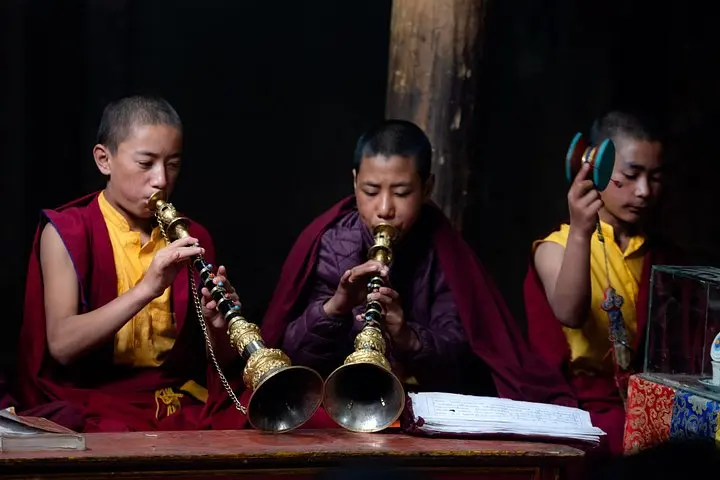
Ladakh’s monasteries are living archives. Lamayuru sits on an eroded plateau of fossil-rich badland; its whitewashed gompa overlooks moonscape cliffs carved by ancient rivers. Alchi’s wooden murals reflect a Kashmiri-influenced art tradition dating to the 11th century, while Thiksey and Hemis display the hierarchical rhythm of Tibetan Buddhism — butter‑lamp rituals, prayer wheels and saffron-robed lamas practicing century-old liturgy.
Geology here is blunt and visible: uplifted Himalayan strata, glacial valleys and braided rivers that refuse to be tamed. The culture balances austerity and hospitality — you’ll pass chortens, meet monks of all ages, and learn that hospitality often comes with a cup of salted tea.
Practical notes: altitude shapes the itinerary more than distance. Expect long drives on paved but winding roads; plan for slow starts, short walks at monasteries and frequent stops for acclimatization. Carry high‑SPF sun protection, a warm layer for sudden wind, and spare cash for small monastery donations. Mornings are best for clear light and quieter visits; afternoons can bring gusts and crowds.
This trip is ideal for travelers curious about Tibetan Buddhism and high‑altitude landscapes who want guided, comfortable travel with cultural depth and manageable walking.
Yes — Ladakh sits above 3,000 m; plan slow acclimatization, hydrate, avoid alcohol, and consult a physician about medication if you have concerns.
Generally yes, but keep visits short and teach quiet, respectful behavior; young children may tire quickly at altitude.
Carry Indian rupees in small denominations — many rural spots and gompas accept cash only; ATMs are available in Leh but not everywhere.
Rules vary — ask at each gompa; some inner sanctums restrict photography or require a small fee for cameras.
EXPERT TOURS & TRAVELS operates guided outdoor trips and adventures with an emphasis on safety, stewardship, and memorable experiences.
You arrive into thin air and a sky that feels larger than usual — Leh’s plain opens like a high‑altitude theater where prayer flags stitch color into wind. The first day’s drive down the Indus follows a current of shale and river, bringing you to Uleytokpo, a village ringed with apricot trees and the low chant of gompas.
You arrive into thin air and a sky that feels larger than usual — Leh’s plain opens like a high‑altitude theater where prayer flags stitch color into wind. The first day’s drive down the Indus follows a current of shale and river, bringing you to Uleytokpo, a village ringed with apricot trees and the low chant of gompas.
Ladakh’s monasteries are living archives. Lamayuru sits on an eroded plateau of fossil-rich badland; its whitewashed gompa overlooks moonscape cliffs carved by ancient rivers. Alchi’s wooden murals reflect a Kashmiri-influenced art tradition dating to the 11th century, while Thiksey and Hemis display the hierarchical rhythm of Tibetan Buddhism — butter‑lamp rituals, prayer wheels and saffron-robed lamas practicing century-old liturgy.
Geology here is blunt and visible: uplifted Himalayan strata, glacial valleys and braided rivers that refuse to be tamed. The culture balances austerity and hospitality — you’ll pass chortens, meet monks of all ages, and learn that hospitality often comes with a cup of salted tea.
Practical notes: altitude shapes the itinerary more than distance. Expect long drives on paved but winding roads; plan for slow starts, short walks at monasteries and frequent stops for acclimatization. Carry high‑SPF sun protection, a warm layer for sudden wind, and spare cash for small monastery donations. Mornings are best for clear light and quieter visits; afternoons can bring gusts and crowds.
This trip is ideal for travelers curious about Tibetan Buddhism and high‑altitude landscapes who want guided, comfortable travel with cultural depth and manageable walking.