THE ADVENTURE COLLECTIVE® · Independent discovery and booking for outdoor travel

Experience the Gulf’s voice in a 60-minute immersive sound-and-visual show at MOSI Tampa. Family-friendly and wheelchair accessible, this exhibit uses audio, projection and science to bring coastal history, ecology and conservation into the gallery.
Experience the Gulf’s voice in a 60-minute immersive sound-and-visual show at MOSI Tampa. Family-friendly and wheelchair accessible, this exhibit uses audio, projection and science to bring coastal history, ecology and conservation into the gallery.
You step into low light and a slow swell of sound — a room that feels less like a theater and more like a submerged chamber. Projected waves and layered recordings pull the Gulf’s voice close; whale calls, shrimp snaps and wind over salt flats wrap around you, daring you to listen more than look.
Verified experiences and guided adventures in the surrounding area.
Operated by Embodied Sounds, Inc. · Tampa, Florida
You step into low light and a slow swell of sound — a room that feels less like a theater and more like a submerged chamber. Projected waves and layered recordings pull the Gulf’s voice close; whale calls, shrimp snaps and wind over salt flats wrap around you, daring you to listen more than look.
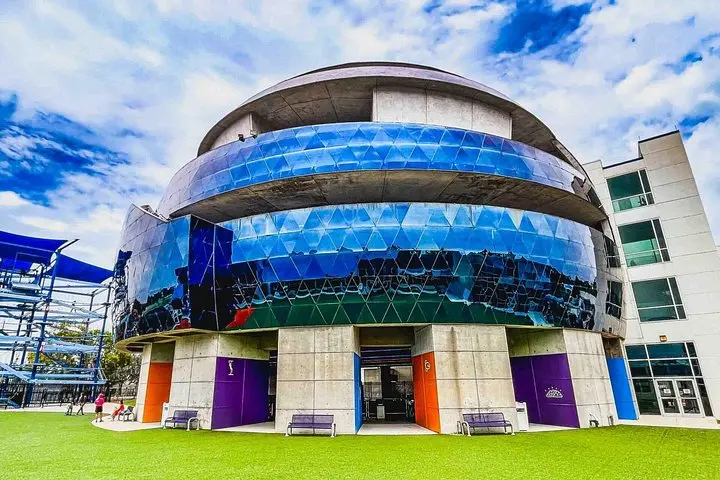
Set inside the Museum of Science & Industry (MOSI) in Tampa, the show translates the region’s coastal story into sound and image. Geologically, the Tampa Bay estuary is young — shaped by rising seas and barrier island shifts after the last ice age — and its shallow, warming waters host seagrass beds and mangrove fringes. Indigenous Tocobaga communities once navigated these same shorelines; later Spanish and Cuban mariners added new chapters to the bay’s working-coast culture. The exhibit bridges that history with modern concerns: fisheries, habitat change and the human soundscape beneath the waves.
Practical guide: the presentation runs about 60 minutes and is family friendly; infants must sit on laps. The space is wheelchair- and stroller-accessible, but dim lighting and deep audio make it intense for sensory-sensitive visitors. Tickets are mobile; capacity is limited, so plan a time slot and arrive early. Combine the show with MOSI exhibits or an afternoon at nearby Bayshore Boulevard or the USF Botanical Gardens for a fuller Tampa day.
Wear comfortable shoes, bring a light layer for air-conditioning, and silence devices — the experience rewards attention. For anyone curious about coastal ecology, the show is a focused, low-impact way to hear the Gulf’s stories without getting wet.
The immersive presentation runs approximately 60 minutes from start to finish.
Yes — MOSI and the show space are wheelchair- and stroller-accessible; infants must sit on an adult’s lap during the presentation.
The show is family-friendly, but dim lighting and layered sound can be intense for very young children or sensory-sensitive guests; use discretion.
All sales are final; no refunds are available. Check available time slots before booking since capacity may be limited.
Embodied Sounds, Inc. operates guided outdoor trips and adventures with an emphasis on safety, stewardship, and memorable experiences.
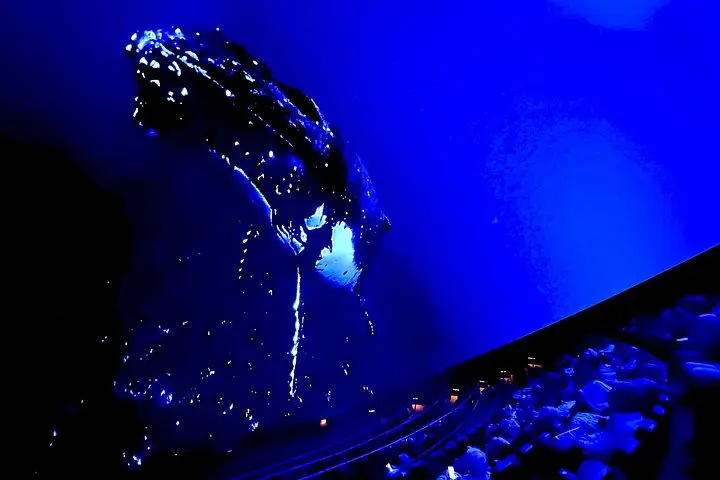
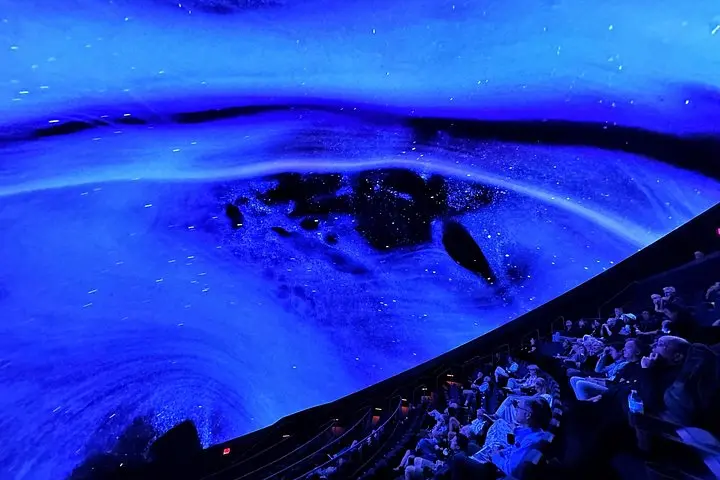
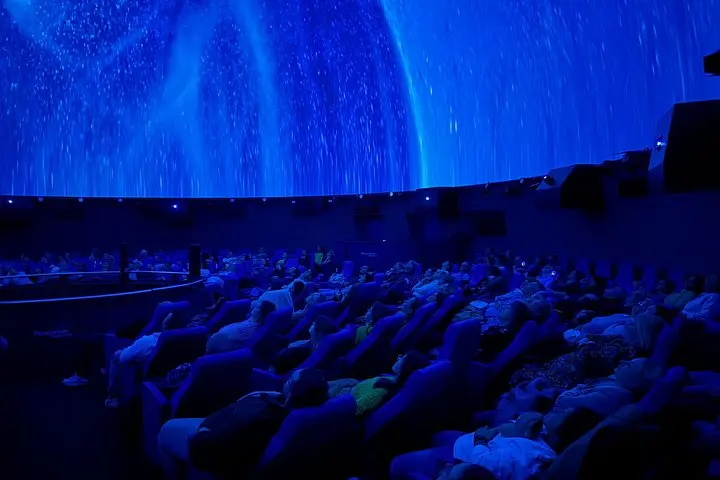
You step into low light and a slow swell of sound — a room that feels less like a theater and more like a submerged chamber. Projected waves and layered recordings pull the Gulf’s voice close; whale calls, shrimp snaps and wind over salt flats wrap around you, daring you to listen more than look.
You step into low light and a slow swell of sound — a room that feels less like a theater and more like a submerged chamber. Projected waves and layered recordings pull the Gulf’s voice close; whale calls, shrimp snaps and wind over salt flats wrap around you, daring you to listen more than look.
Set inside the Museum of Science & Industry (MOSI) in Tampa, the show translates the region’s coastal story into sound and image. Geologically, the Tampa Bay estuary is young — shaped by rising seas and barrier island shifts after the last ice age — and its shallow, warming waters host seagrass beds and mangrove fringes. Indigenous Tocobaga communities once navigated these same shorelines; later Spanish and Cuban mariners added new chapters to the bay’s working-coast culture. The exhibit bridges that history with modern concerns: fisheries, habitat change and the human soundscape beneath the waves.
Practical guide: the presentation runs about 60 minutes and is family friendly; infants must sit on laps. The space is wheelchair- and stroller-accessible, but dim lighting and deep audio make it intense for sensory-sensitive visitors. Tickets are mobile; capacity is limited, so plan a time slot and arrive early. Combine the show with MOSI exhibits or an afternoon at nearby Bayshore Boulevard or the USF Botanical Gardens for a fuller Tampa day.
Wear comfortable shoes, bring a light layer for air-conditioning, and silence devices — the experience rewards attention. For anyone curious about coastal ecology, the show is a focused, low-impact way to hear the Gulf’s stories without getting wet.