THE ADVENTURE COLLECTIVE® · Independent discovery and booking for outdoor travel

A full-day coastal exploration from Athens that combines Bronze Age ruins, 19th-century mining remnants and a swim beneath the marble columns of Poseidon. Ideal for walkers who want history, geology and a refreshing Aegean dip.
A full-day coastal exploration from Athens that combines Bronze Age ruins, 19th-century mining remnants and a swim beneath the marble columns of Poseidon. Ideal for walkers who want history, geology and a refreshing Aegean dip.
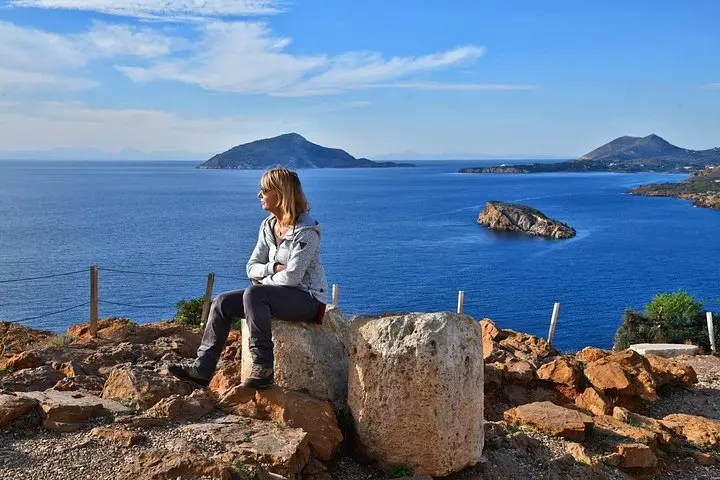
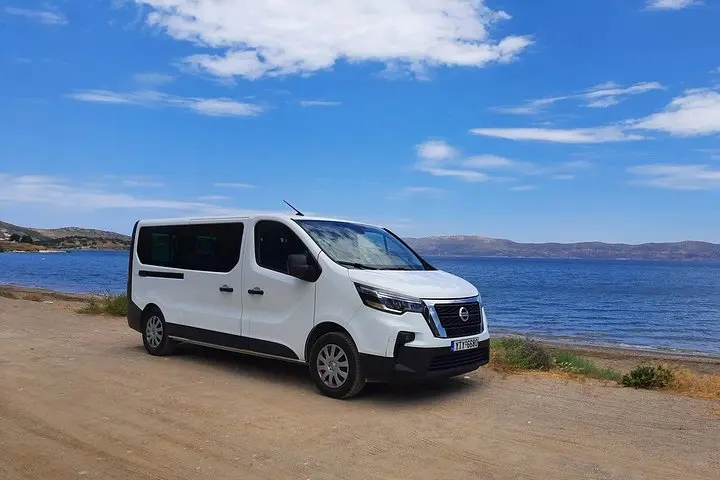
You step out of the minivan and the Aegean wind immediately rearranges your plans—salted, insistent, pushing you toward the cliff edge where white marble waits. The route threads between low scrub, coastal bluffs and former mine ruins; every turn opens a new slice of Attica’s southeast coast.
Verified experiences and guided adventures in the surrounding area.
Operated by Active Holidays Greece · Lavrio, Attica
You step out of the minivan and the Aegean wind immediately rearranges your plans—salted, insistent, pushing you toward the cliff edge where white marble waits. The route threads between low scrub, coastal bluffs and former mine ruins; every turn opens a new slice of Attica’s southeast coast.
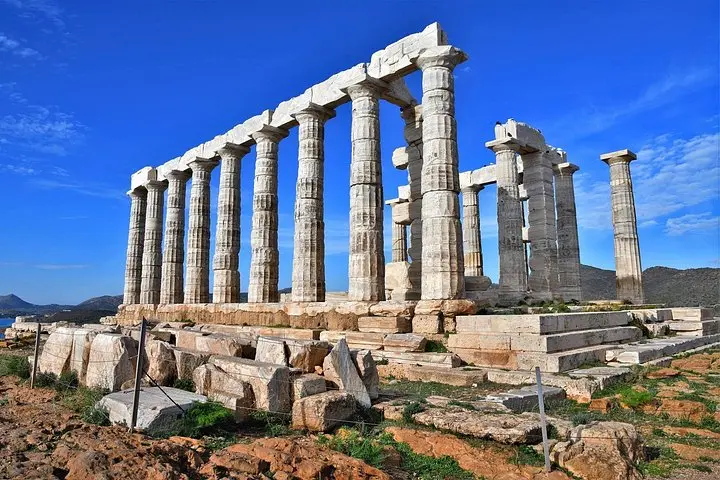
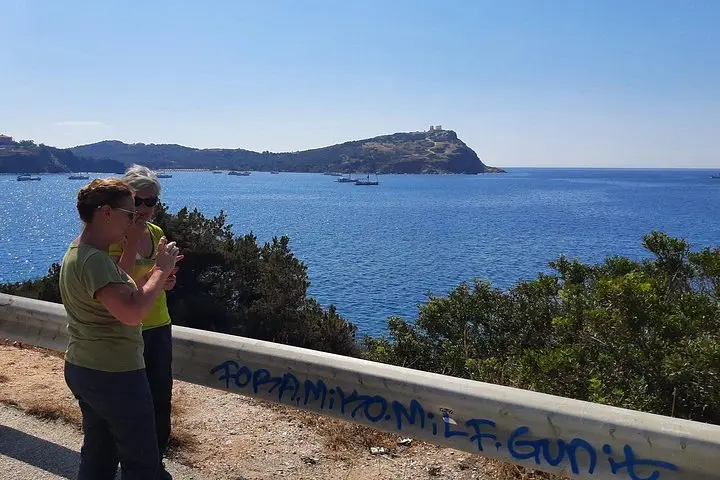
This is a landscape shaped by geology and greed: silver-rich veins drew people here from the Neolithic into the Classical era and again in the 19th century. Thorikos’s ancient theatre crowns a low promontory; the marble columns of Poseidon’s temple at Cape Sounion mark an age when Athens looked seaward for power and ritual. Lavrio town shows the industrial aftermath—neoclassical facades, disused mining infrastructure and a mineral museum that explain why the soil matters as much as the sea.
Expect 6–10 km of walking spread through the day on uneven, mostly coastal trails with occasional rocky scrambles and short climbs up to ~200–300 m at Velatouri. You’ll pause for archaeology, a swim in clear, cool coves and panoramas that reward early light. The sun and wind are active companions: they shape the timing as much as the terrain.
Practical edge: start early in summer, bring sun protection, quick-dry swimwear and shoes with good grip. Hydrate steadily—water is included but refill opportunities are limited. Respect protected zones around archaeological sites and stick to marked paths; your choices keep these places both legible and wild for the next visitor.
The tour runs about 7–8 hours with pickup points in central Athens (Koukaki) and near Dionysos Zonar’s; exact pickup details are provided at booking.
Admission is generally not included; the itinerary lists which stops include walking and viewing but check specific site fees before travel.
Yes—swimming is in sheltered coves with clear water, but there are rocky entries; wear water shoes and check conditions with your guide before entering the sea.
The trip is family-friendly but involves uneven terrain and steps at archaeological sites; travelers with limited mobility should contact the operator to discuss access.
Active Holidays Greece operates guided outdoor trips and adventures with an emphasis on safety, stewardship, and memorable experiences.
You step out of the minivan and the Aegean wind immediately rearranges your plans—salted, insistent, pushing you toward the cliff edge where white marble waits. The route threads between low scrub, coastal bluffs and former mine ruins; every turn opens a new slice of Attica’s southeast coast.
You step out of the minivan and the Aegean wind immediately rearranges your plans—salted, insistent, pushing you toward the cliff edge where white marble waits. The route threads between low scrub, coastal bluffs and former mine ruins; every turn opens a new slice of Attica’s southeast coast.
This is a landscape shaped by geology and greed: silver-rich veins drew people here from the Neolithic into the Classical era and again in the 19th century. Thorikos’s ancient theatre crowns a low promontory; the marble columns of Poseidon’s temple at Cape Sounion mark an age when Athens looked seaward for power and ritual. Lavrio town shows the industrial aftermath—neoclassical facades, disused mining infrastructure and a mineral museum that explain why the soil matters as much as the sea.
Expect 6–10 km of walking spread through the day on uneven, mostly coastal trails with occasional rocky scrambles and short climbs up to ~200–300 m at Velatouri. You’ll pause for archaeology, a swim in clear, cool coves and panoramas that reward early light. The sun and wind are active companions: they shape the timing as much as the terrain.
Practical edge: start early in summer, bring sun protection, quick-dry swimwear and shoes with good grip. Hydrate steadily—water is included but refill opportunities are limited. Respect protected zones around archaeological sites and stick to marked paths; your choices keep these places both legible and wild for the next visitor.