THE ADVENTURE COLLECTIVE® · Independent discovery and booking for outdoor travel

Spend a half day from Agadir exploring Souss Massa’s coastal reserves by 4x4: search for bald ibis, flamingos, oryx and gazelle across 30 km of trails, then finish at the fishing village of Tifnit. This practical guide outlines what to expect and how to prepare for the trip.
Spend a half day from Agadir exploring Souss Massa’s coastal reserves by 4x4: search for bald ibis, flamingos, oryx and gazelle across 30 km of trails, then finish at the fishing village of Tifnit. This practical guide outlines what to expect and how to prepare for the trip.
A low, wind-raked plain opens as the 4x4 drops off the paved road — the Atlantic to one side, scrub and dunes to the other. Early light paints the salt flats pink where flamingos wheel; farther inland, the wind pushes the tall grass until it seems to be breathing. The guide eases the vehicle onto a sandy track and points to a distant silhouette that might be an oryx or a dorcas gazelle — the park tests your patience and rewards it.
Verified experiences and guided adventures in the surrounding area.
Operated by Agharass Tours · Agadir, Souss-Massa
A low, wind-raked plain opens as the 4x4 drops off the paved road — the Atlantic to one side, scrub and dunes to the other. Early light paints the salt flats pink where flamingos wheel; farther inland, the wind pushes the tall grass until it seems to be breathing. The guide eases the vehicle onto a sandy track and points to a distant silhouette that might be an oryx or a dorcas gazelle — the park tests your patience and rewards it.
Souss Massa National Park protects a coastal mosaic shaped by the Souss and Massa rivers, where Pleistocene sands meet limestone headlands. The coastal estuary is a key stopover for migratory birds and the last stronghold in Morocco for the northern bald ibis, a species that draws birders and conservationists alike. Human history is visible in small fishing hamlets like Tifnit, where centuries of coastal fishing culture still play out on the beach during the afternoon unload.
Practically: expect 4–5 hours including pickup from Agadir, with about 30 km of unpaved tracks and short observation stops rather than long hikes. Wear sturdy shoes for dune edges, bring sun protection and water — the wind can make the sun feel sharper than the temperature suggests. Mornings are best for wildlife viewing and cooler air; winter and spring concentrations attract migratory species and large flocks of flamingos.
Respect observation posts and keep distance from nesting areas; guides know the routes but a steady pair of binoculars and a calm approach are your best tools. Finish by walking the small beach at Tifnit to watch traditional boats come ashore — a tactile reminder that this protected landscape supports both wildlife and coastal life.
Pickup and drop-off from Agadir are included; the outing runs about 4–5 hours total including transfers.
Guides aim for ibis observation at known nesting sites but sightings aren’t guaranteed; spring and winter increase chances during breeding and migration seasons.
Yes, the trip is family-friendly with short walks; however infants should be secured and pregnant travelers are advised against strenuous activity.
Observation posts have picnic areas but food is not provided; bring snacks or ask about arranging a packed lunch when booking.
Agharass Tours operates guided outdoor trips and adventures with an emphasis on safety, stewardship, and memorable experiences.
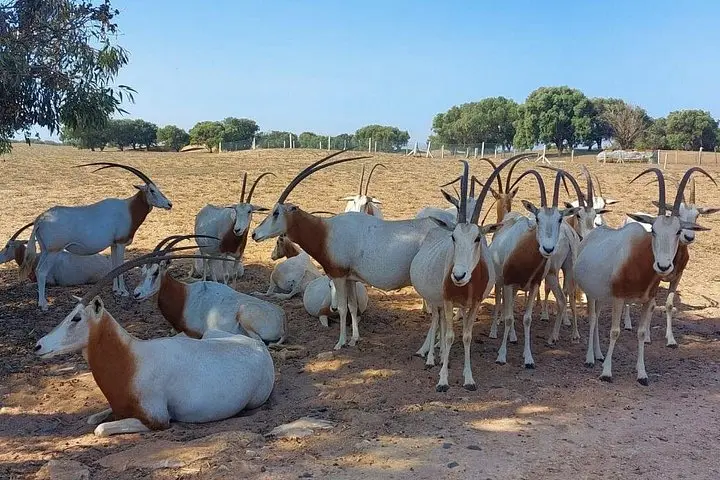
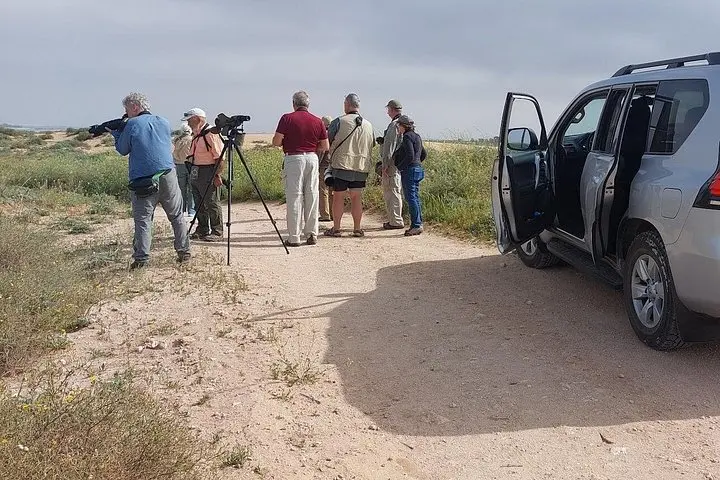
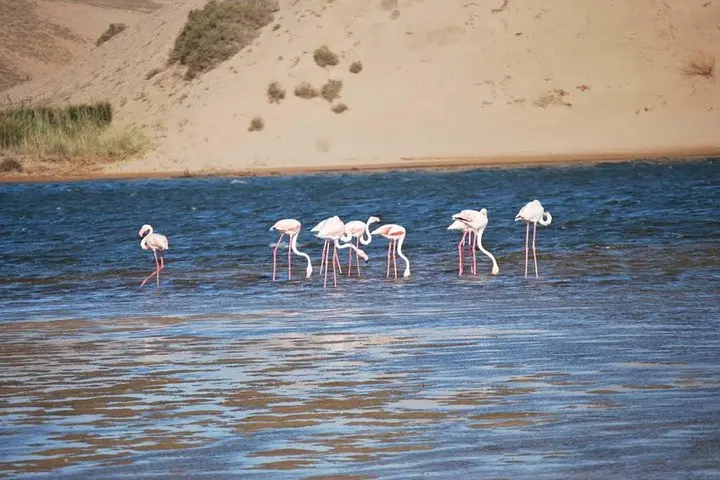
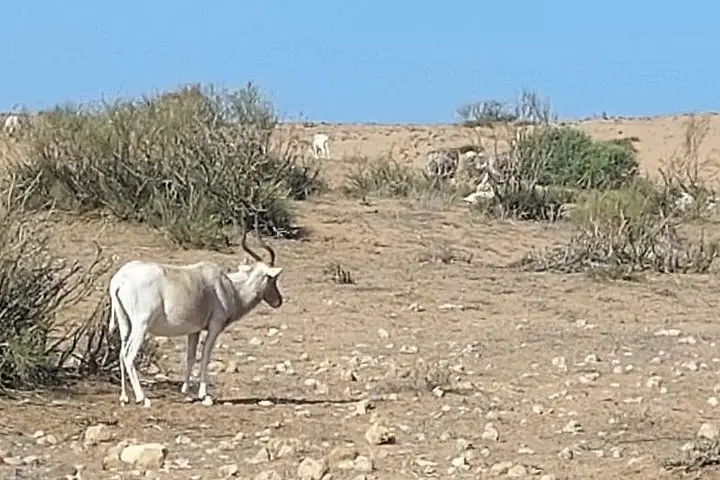
A low, wind-raked plain opens as the 4x4 drops off the paved road — the Atlantic to one side, scrub and dunes to the other. Early light paints the salt flats pink where flamingos wheel; farther inland, the wind pushes the tall grass until it seems to be breathing. The guide eases the vehicle onto a sandy track and points to a distant silhouette that might be an oryx or a dorcas gazelle — the park tests your patience and rewards it.
A low, wind-raked plain opens as the 4x4 drops off the paved road — the Atlantic to one side, scrub and dunes to the other. Early light paints the salt flats pink where flamingos wheel; farther inland, the wind pushes the tall grass until it seems to be breathing. The guide eases the vehicle onto a sandy track and points to a distant silhouette that might be an oryx or a dorcas gazelle — the park tests your patience and rewards it.
Souss Massa National Park protects a coastal mosaic shaped by the Souss and Massa rivers, where Pleistocene sands meet limestone headlands. The coastal estuary is a key stopover for migratory birds and the last stronghold in Morocco for the northern bald ibis, a species that draws birders and conservationists alike. Human history is visible in small fishing hamlets like Tifnit, where centuries of coastal fishing culture still play out on the beach during the afternoon unload.
Practically: expect 4–5 hours including pickup from Agadir, with about 30 km of unpaved tracks and short observation stops rather than long hikes. Wear sturdy shoes for dune edges, bring sun protection and water — the wind can make the sun feel sharper than the temperature suggests. Mornings are best for wildlife viewing and cooler air; winter and spring concentrations attract migratory species and large flocks of flamingos.
Respect observation posts and keep distance from nesting areas; guides know the routes but a steady pair of binoculars and a calm approach are your best tools. Finish by walking the small beach at Tifnit to watch traditional boats come ashore — a tactile reminder that this protected landscape supports both wildlife and coastal life.